Sondheimer Hanni
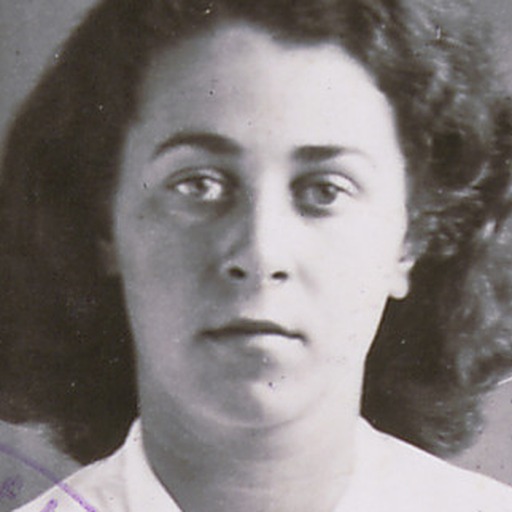
Sondheimer Hanni received transit visa no. 1320 at the Japanese consulate in Kaunas on 6 August 1940. Aged 16 in 1940.
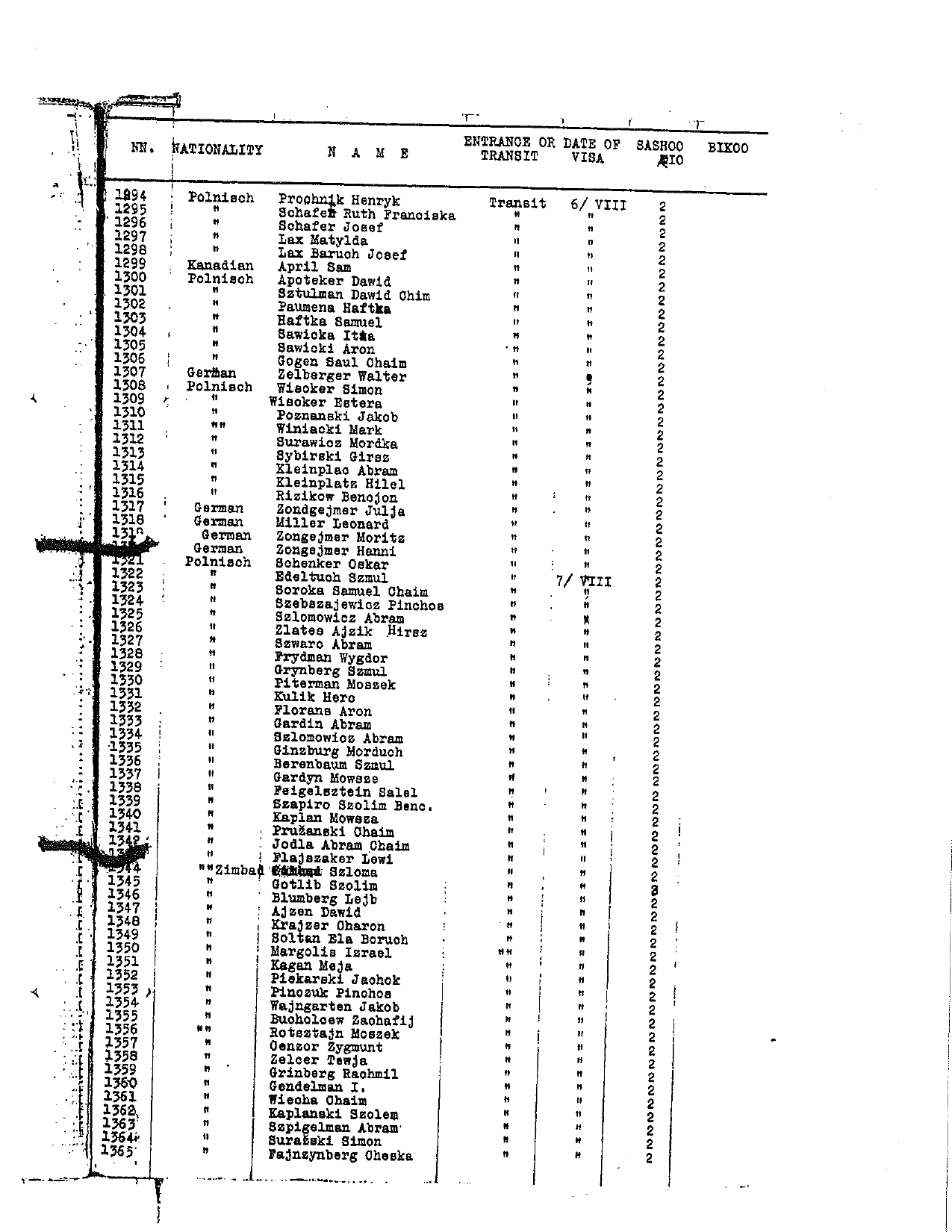

What the register records
- Nationality as recorded
- German
- Age in 1940
- 16
- Family, per the Kitade-Bluman list
- daughter of #1319
The journey
Reached Japan; reached Shanghai; registered in Kobe for USA.
What is known
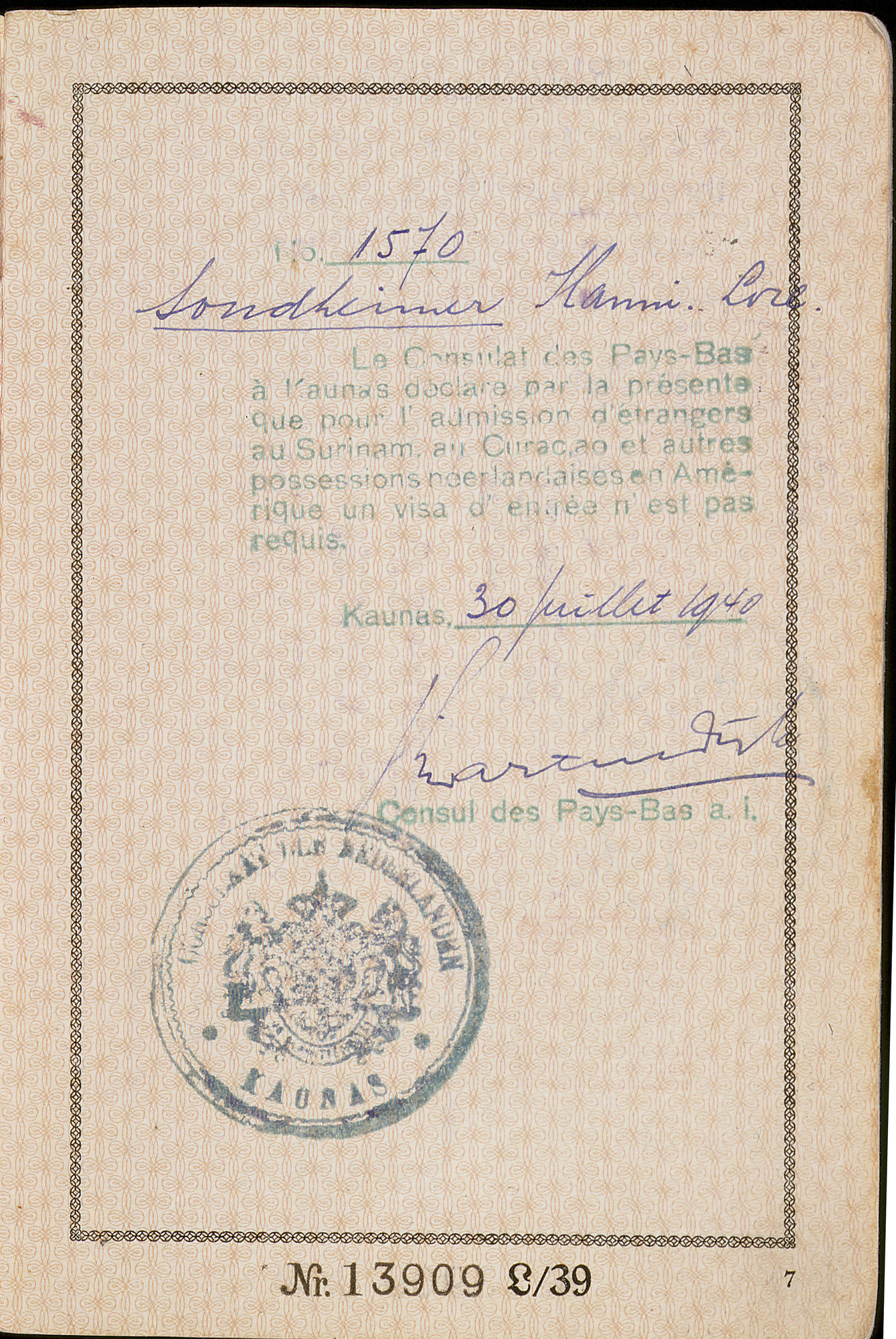
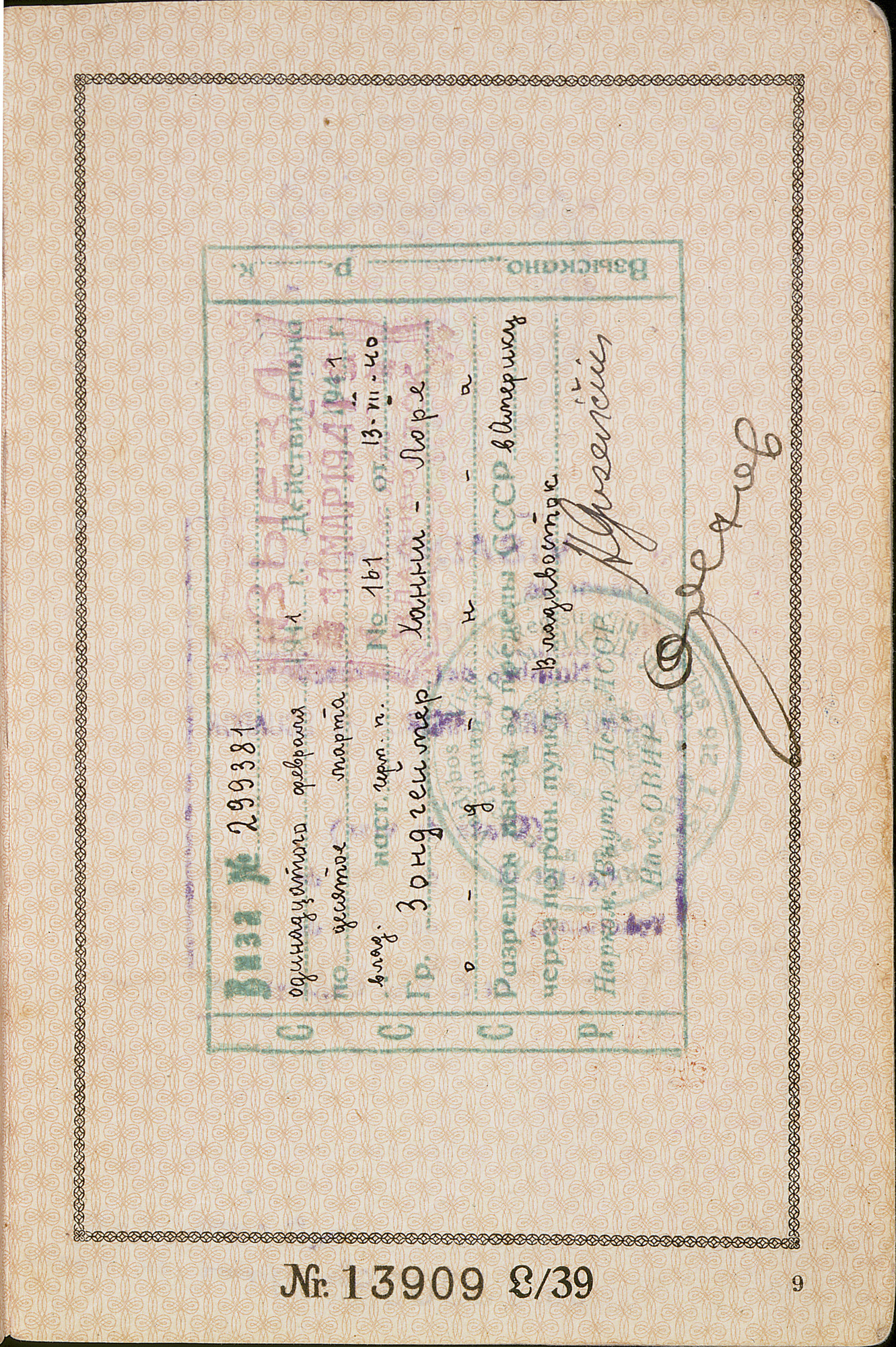
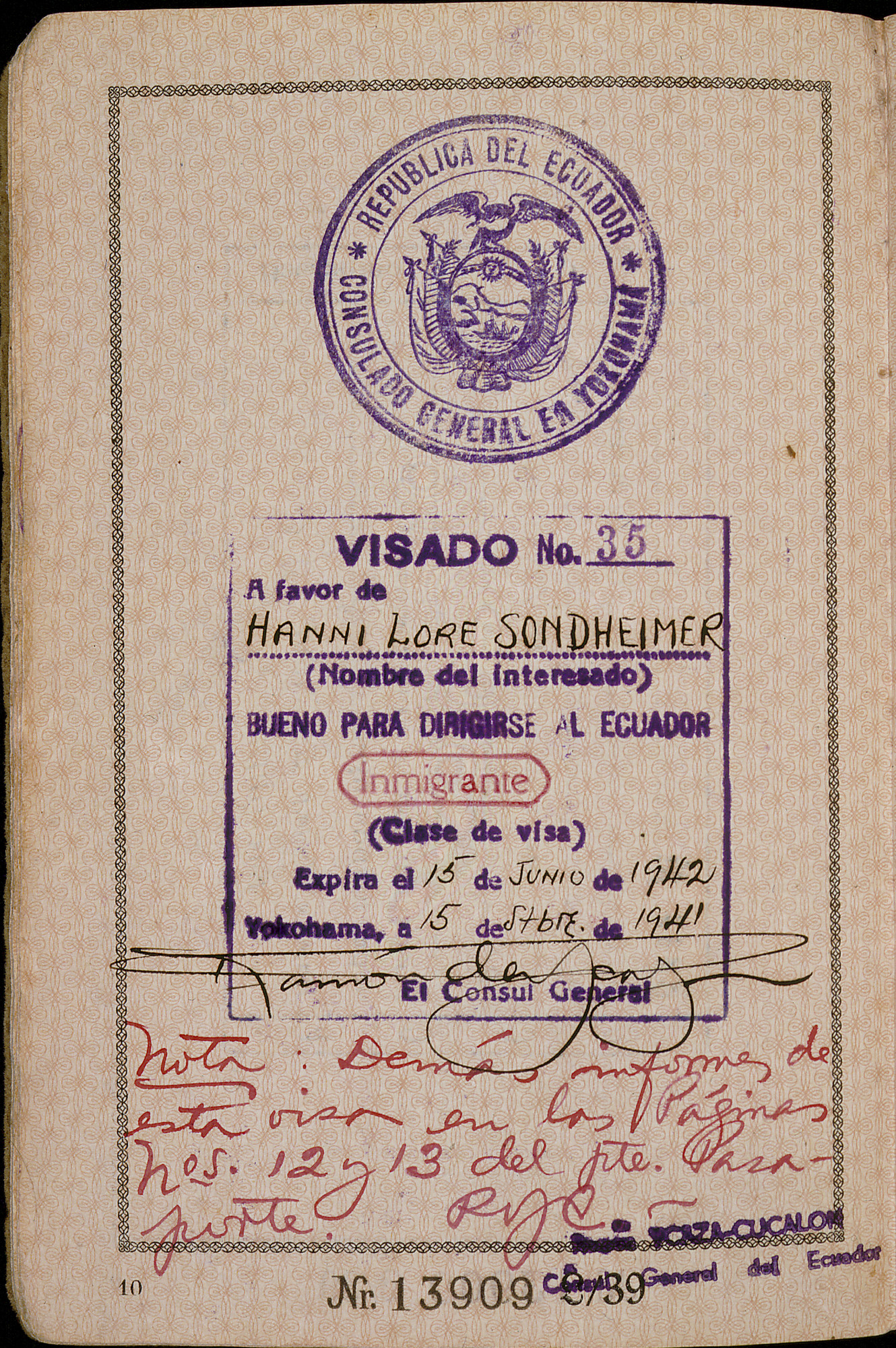
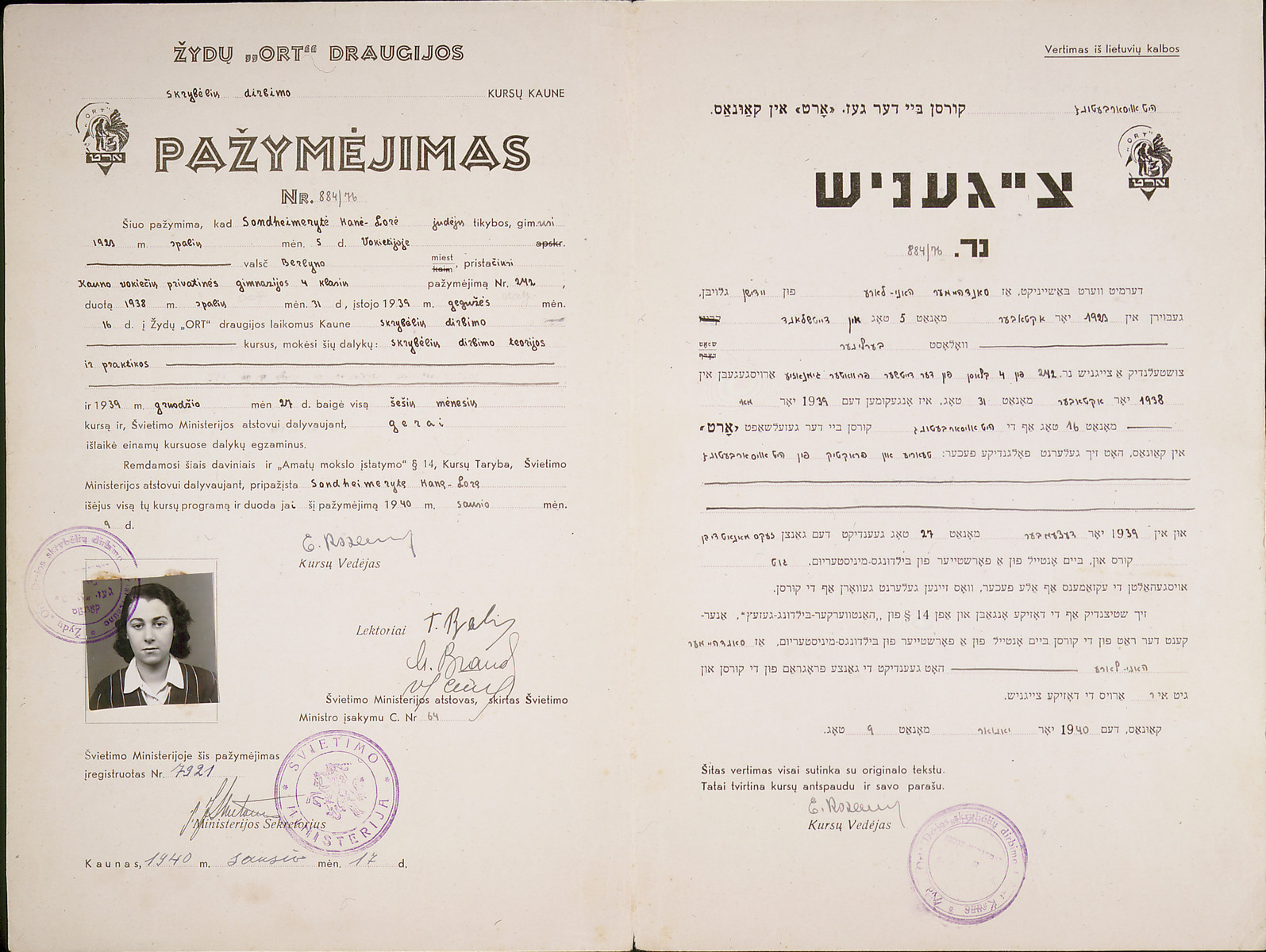
Japanese transit visa issued to Hanni Sondheimer. Hanni Lori Sondheimer is the daughter of Moritz and Setty Sondheimer. She was born on October 5, 1923 in Berlin, Germany and has a younger brother, Karl. In 1934, the family fled Nazi Germany and moved to Kaunas, Lithuania. Moritz had owned a leather goods store in Berlin, and in Kaunas he opened a small plastics factory which manufactured combs and buttons. He helped many Polish refugees by employing them in his factory. Hanni first attended a German school in Kaunas but after it became increasingly antisemitic, she transferred to an ORT school to learn millinery skills. After the Soviet take-over of Lithuanian in the summer 1940, the government appropriated Moritz's business, the family's apartment and bank accounts. They decided to emigrate and applied for German passports. Setty had received hers in 1938, and Moritz and Hanni received theirs in July 1940. Karl, Hanni's brother, was listed on his father's passport. After receiving the passports, Hanni was sent first to the Dutch Consul, Zwartendijk to get a final visa to Curacao and then to the Japanese consulate to apply for Japanese transit visas for the family. The Sondheimers were among the few recipients of Sugihara visas who were not Polish citizens. The family next had an interview with the NKVD in order to obtain exit visas and sold their household possess
Hanni Sondheimer, born in Berlin in 1923, fled Nazi Germany with her family in 1934 to Kaunas, Lithuania, where her father Moritz ran a small plastics factory. After the Soviet takeover in 1940, the family obtained German passports, a Curacao visa from Dutch Consul Zwartendijk, and Japanese transit visas from Sugihara—one of the few non-Polish families to receive them. They traveled via Moscow and the Trans-Siberian railroad to Vladivostok, then to Japan (Yokohama), and were deported to Shanghai in late summer 1941. After the war Hanni married a U.S. Army lieutenant and immigrated to Iowa in 1946, with her family following to Los Angeles the next year.
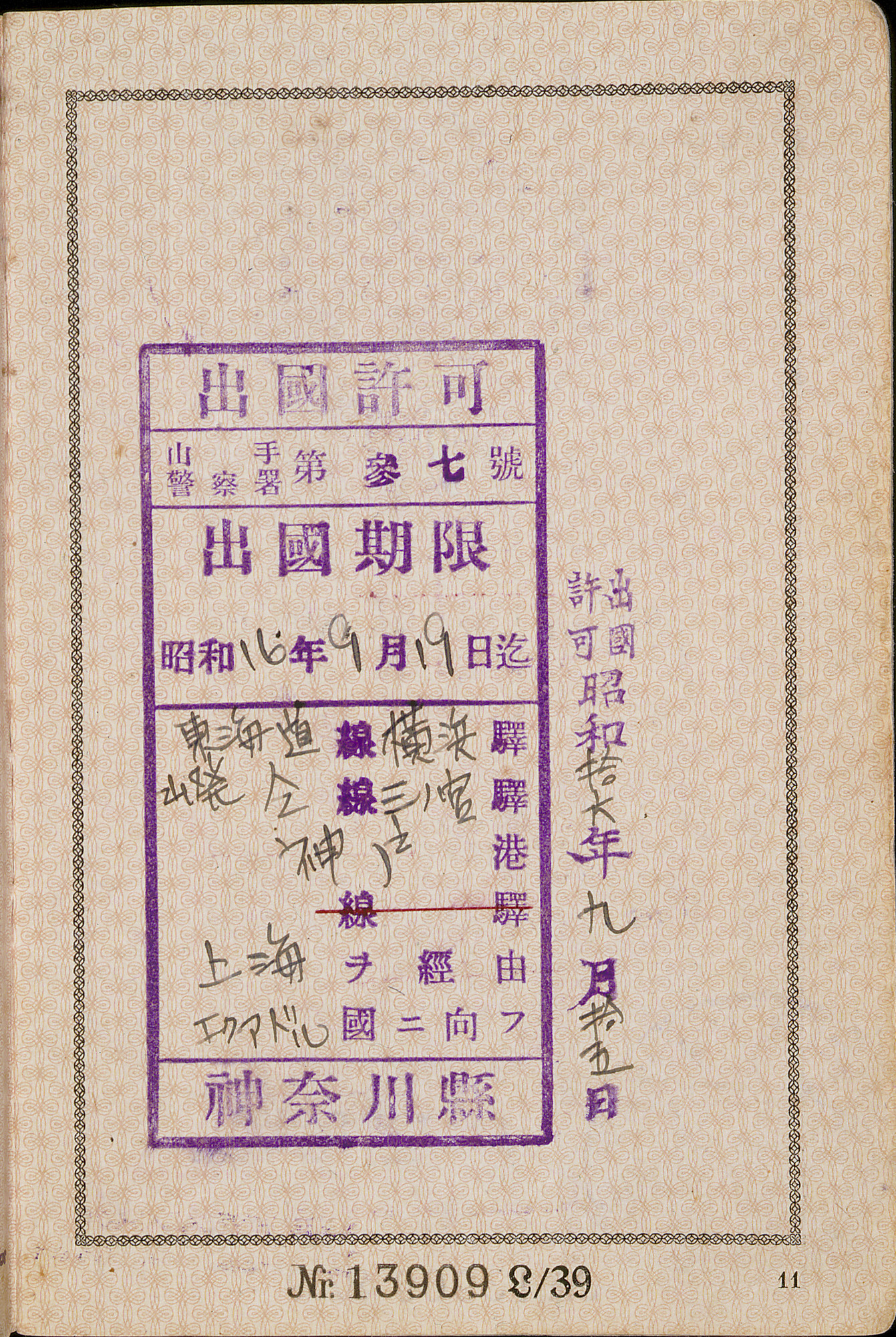
Transit visa issued to Hanni Sondheimer by Sugihara. The Sondheimers were among the few recipients of Sugihara visas who were not Polish citizens. Hanni was sent first to the Dutch Consul, Zwartendijk to get a final visa to Curacao and then to the Japanese consulate to apply for Japanese transit visas for the family. The family went to Moscow and traveled on the Trans-Siberian railroad in relative luxury. However, all their possessions were confiscated in Vladivostok.
Where this comes from
- Oral history interview with Hanni Vogelweid (née Sondheimer) — USC Shoah Foundation Visual History Archive, interview 36950. Catalogue: born Oct 5 1923, Berlin (Prussia, Germany); born Berlin 5 Oct 1923; p… — the interviewee may be living
USC Shoah Foundation VHA interview 36950: Hanni Vogelweid (née Sondheimer) — the interviewee herself — gave a testimony (catalogue: born Oct 5 1923, Berlin (Prussia, Germany)); born Berlin 5 Oct 1923; parents Moritz and Malchen (Setty) Sondheimer, Nos.1319/1317 - Oral history interview with Hanni Vogelweid (née Sondheimer) — United States Holocaust Memorial Museum, Flight and Rescue collection (RG-50.494.0013)
In her oral history for the United States Holocaust Memorial Museum, Hanni Vogelweid, born Sondheimer, says her father had moved the family from Berlin to Kaunas in the early 1930s to open a comb and button factory, which the Soviets nationalised in the summer of 1940. In July 1940 she stood in line at the Dutch consulate and received the Curacao note, and she says she got her Japanese visa on 6 August 1940 after many days of waiting at the Japanese consulate, where she had been sent by her father with the family's passports. She says the family needed 200 dollars a head from relatives in America for the Soviet exit visas, and that they left Kaunas by train in the winter of 1940-41, with the German consul in Kaunas having renewed their German passports, marked with a J. They sold or gave away most of what they owned, left their furniture behind, and at Vladivostok Soviet customs took their jewellery. After about two nights on a small ship they landed at Tsuruga, were sent on to Kobe and then, as German nationals, to Yokohama, and lived at Honmoku, on Motomachi Street, by the sea. They were not allowed to work; she learned shorthand and typing from neighbours and went to Japanese films. After about six months the police told them to leave, and their American visa application was refused after her father truthfully named his mother and sister in Estonia; they went on to Shanghai. In Shanghai the family lived first with distant relatives and then in a room with a small window. After Pearl Harbor the money from America stopped; her father worked as a night watchman and her mother had an operation. She sold ties on the street and worked in an unheated weaving factory, and needed a pass from the Japanese official Goya to leave the Hongkou area from 1943. After the war she worked in an American PX and on the switchboard, left Shanghai in autumn 1946 for Seattle, and her parents followed with the same affidavits in January or February 1947. - Collections Search - United States Holocaust Memorial Museum
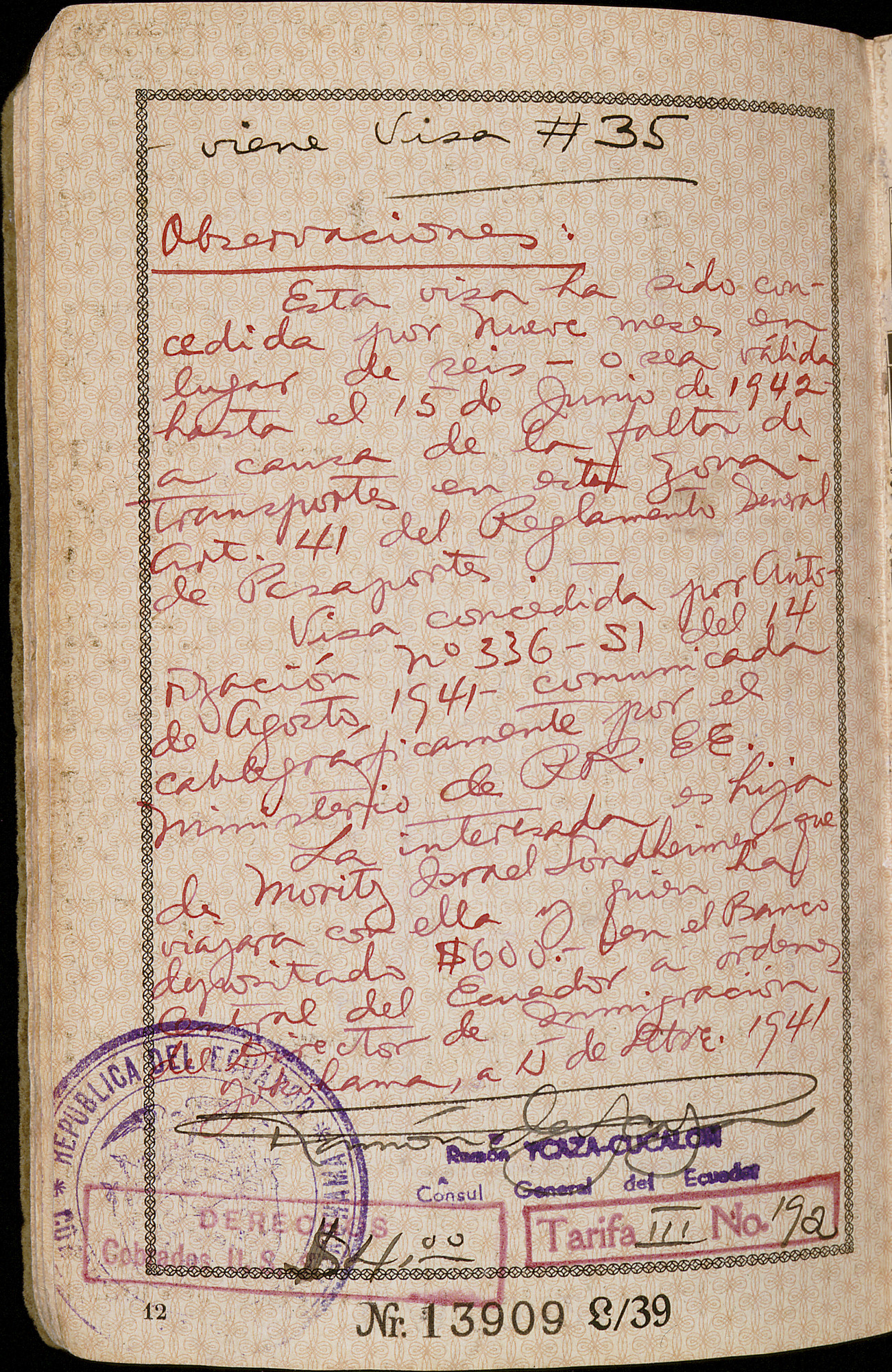
- USHMM: Japanese transit visa issued to Hanni Sondheimer.
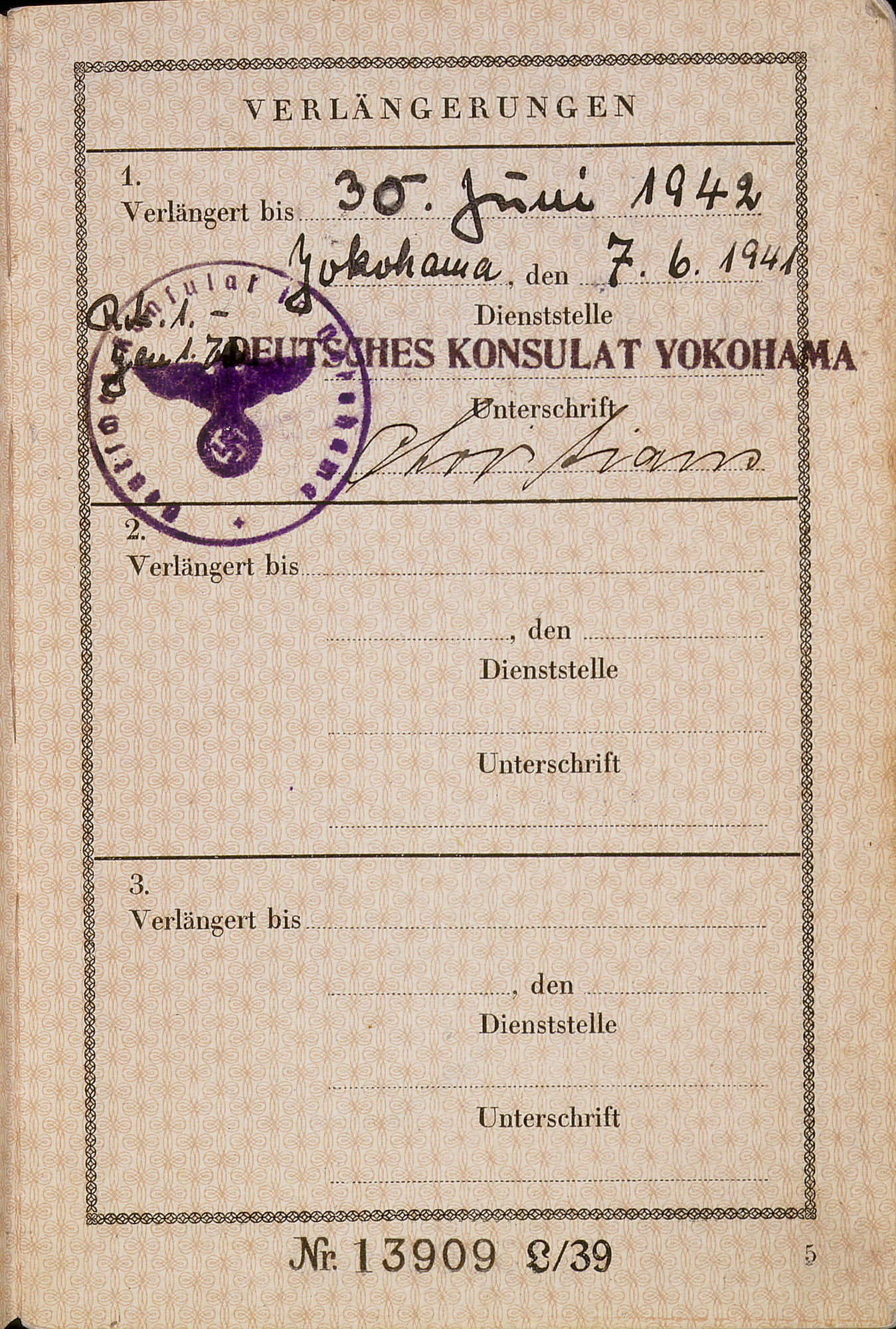
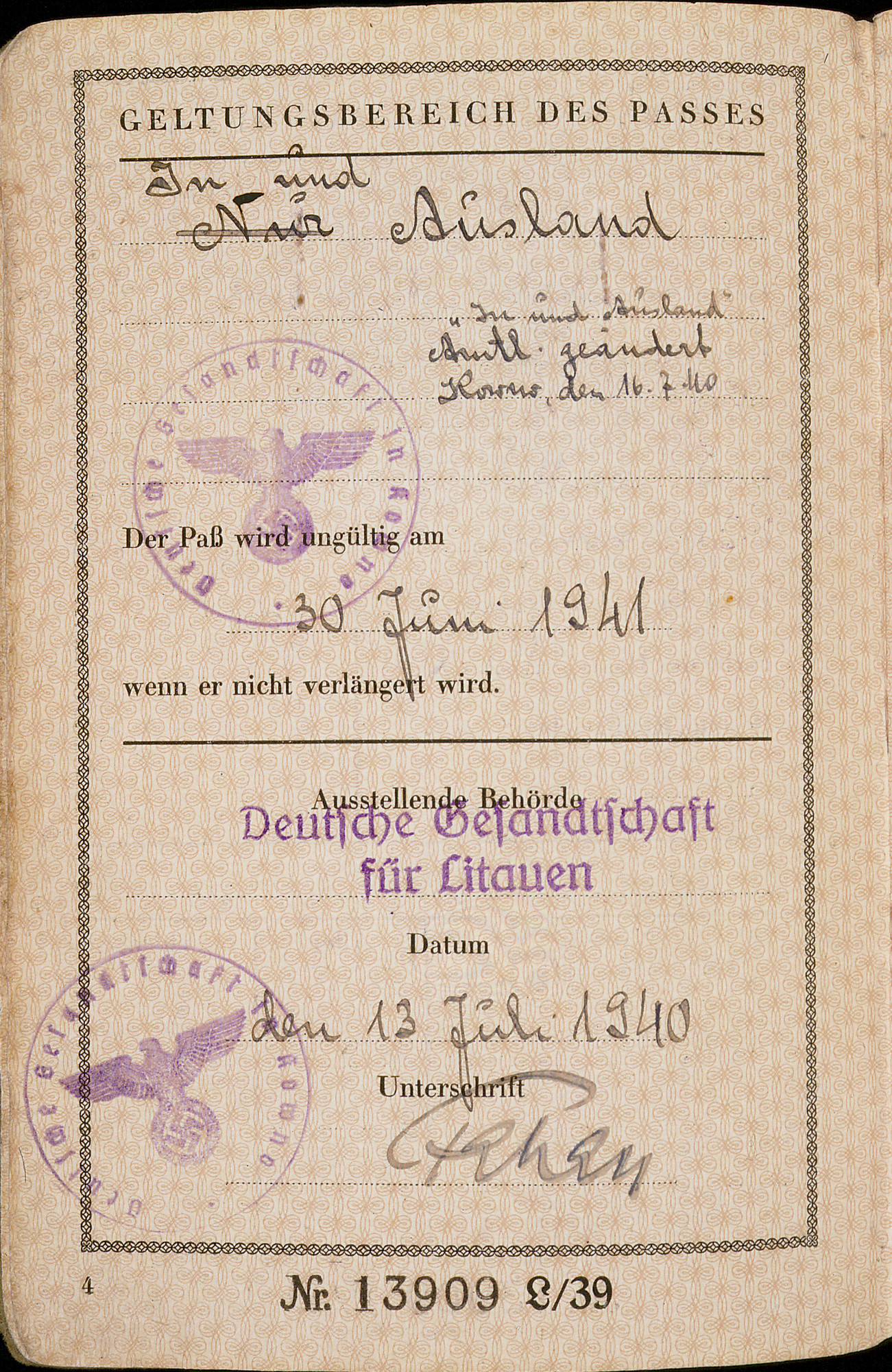
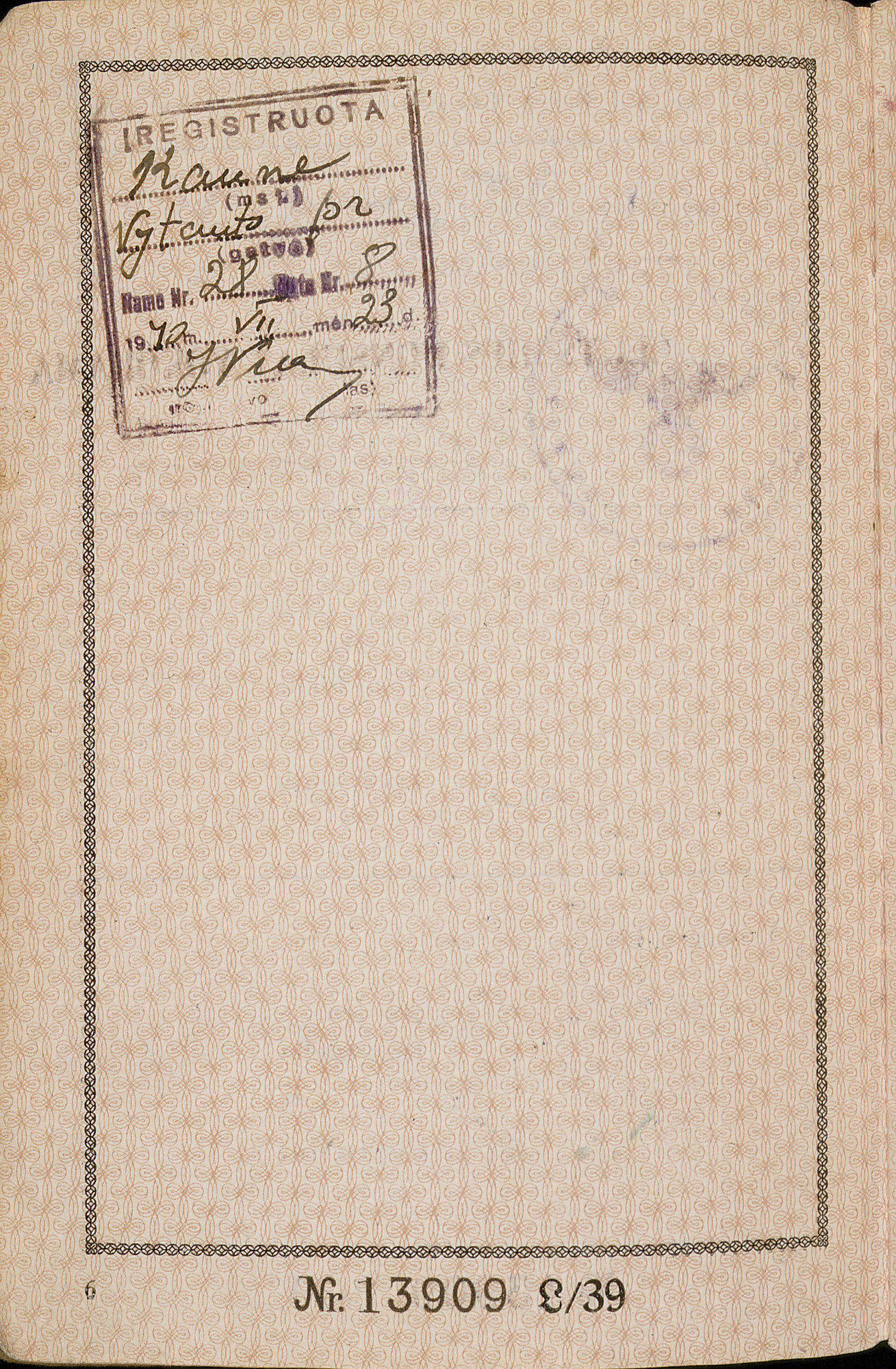
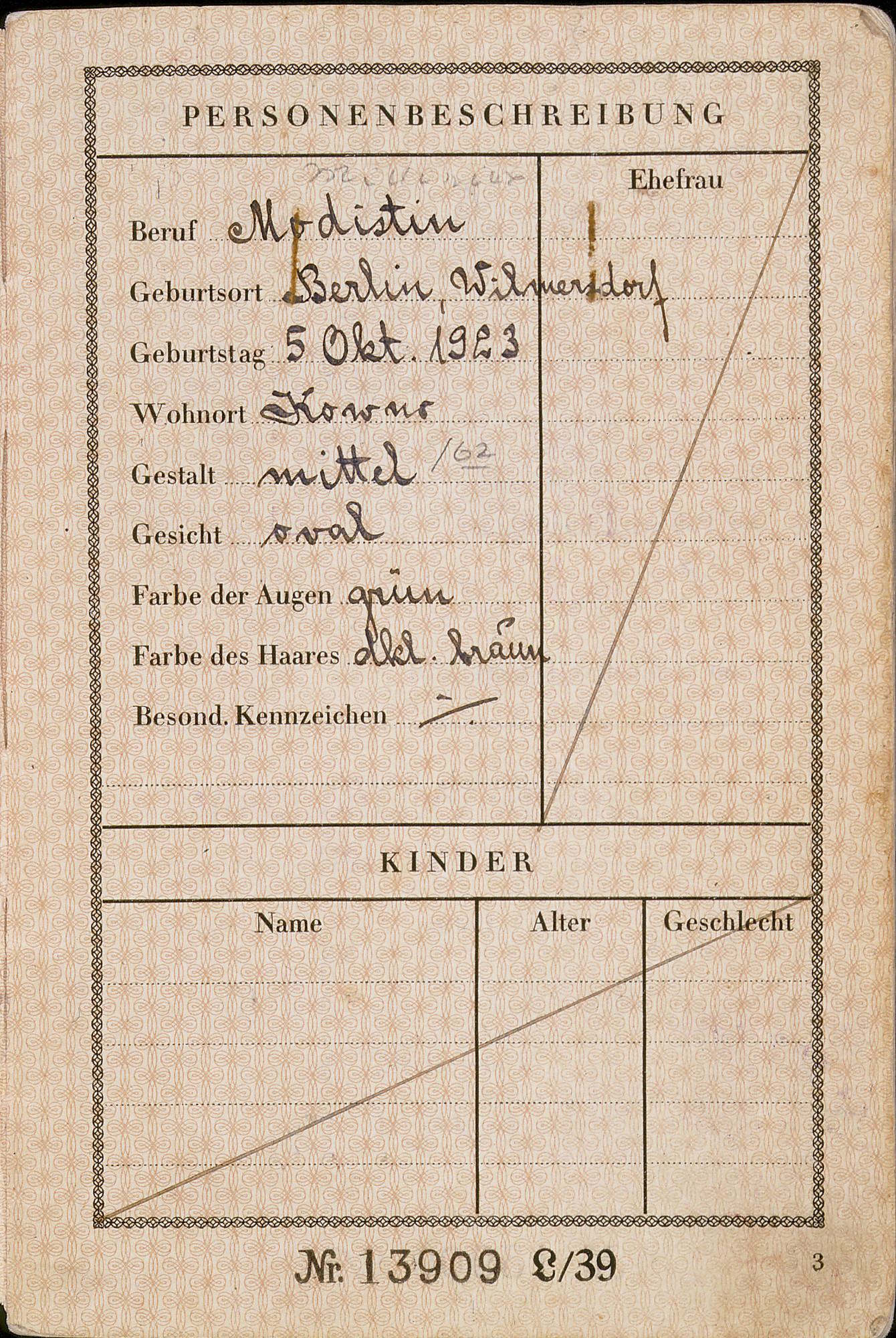
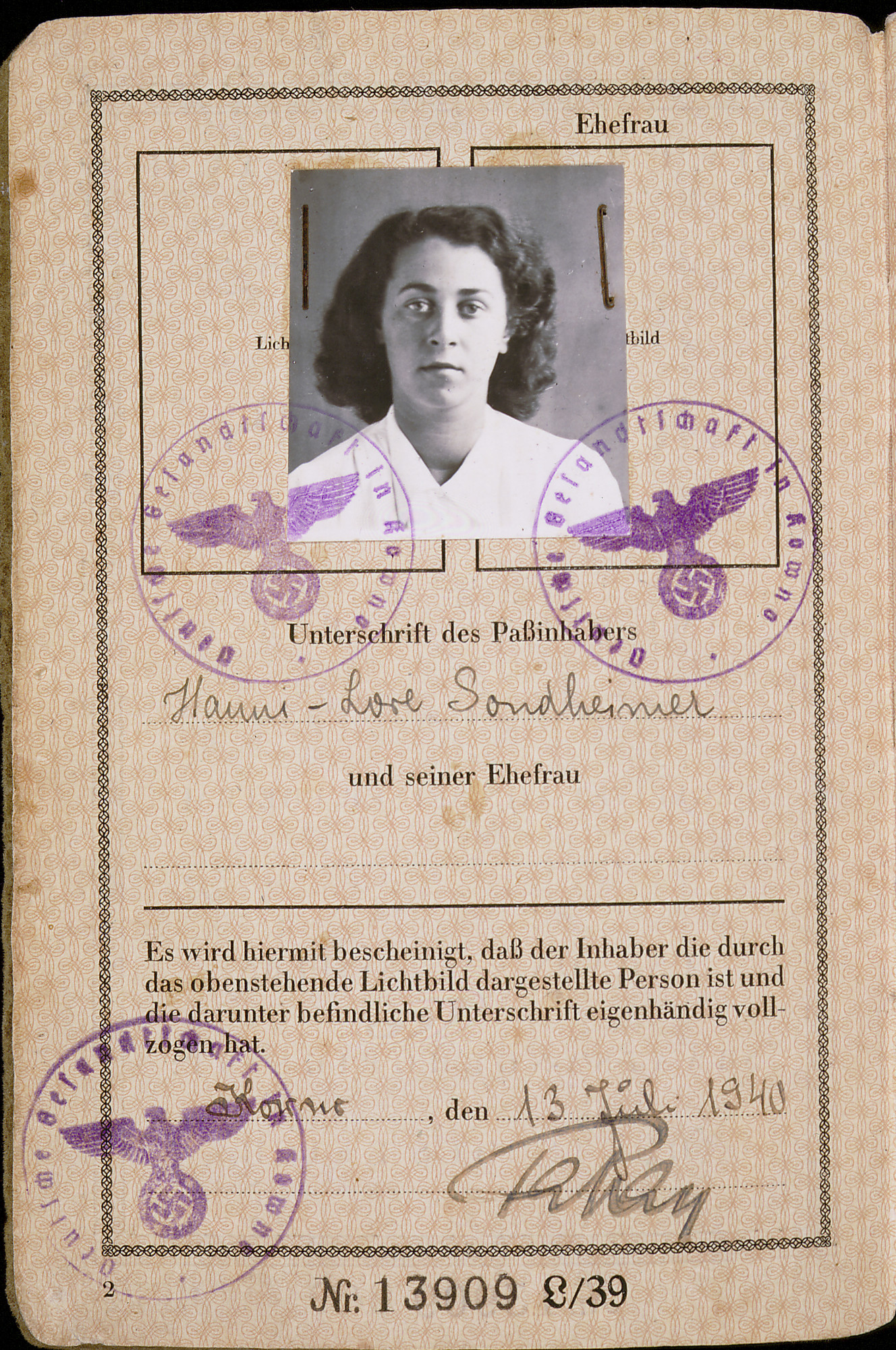
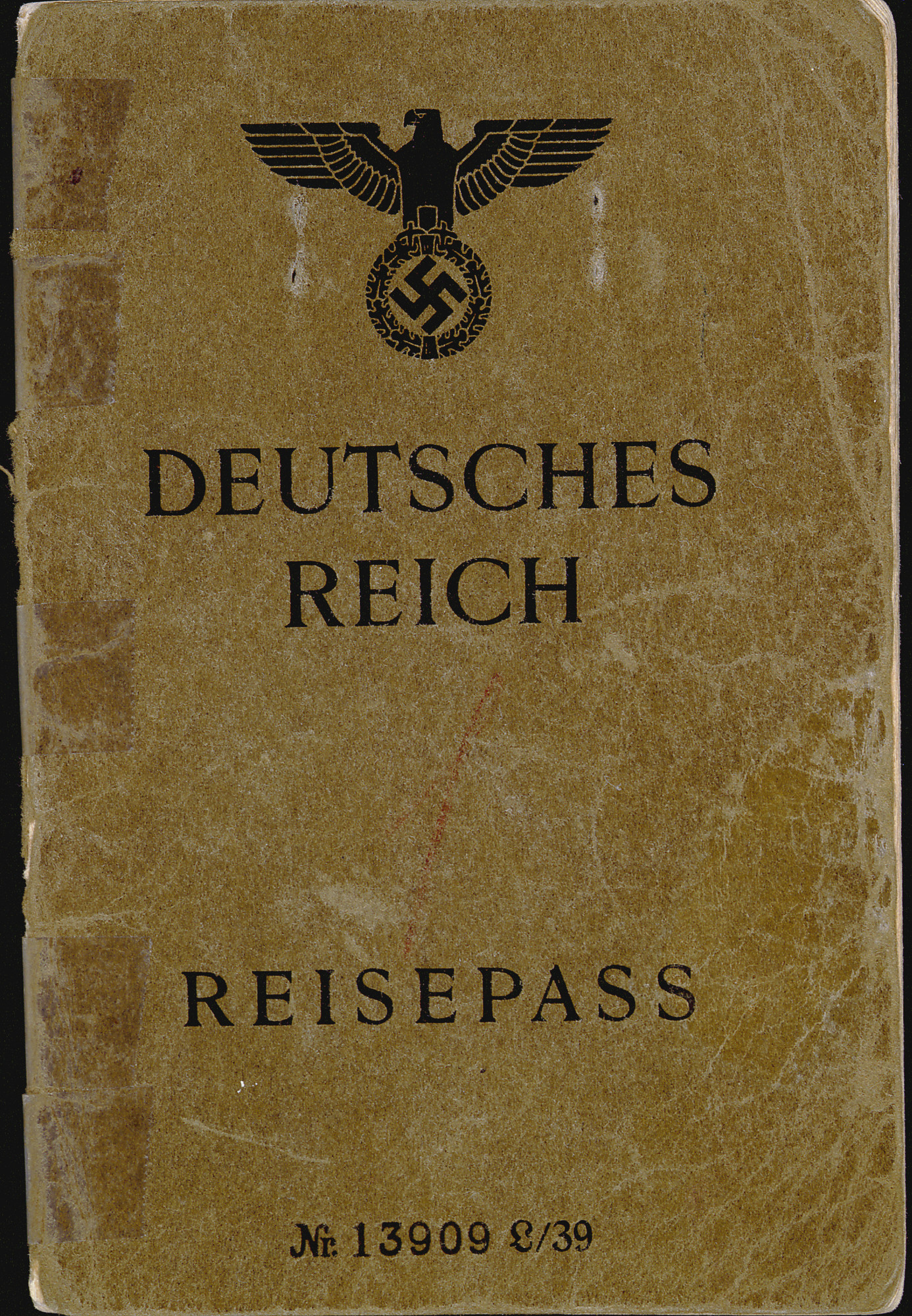
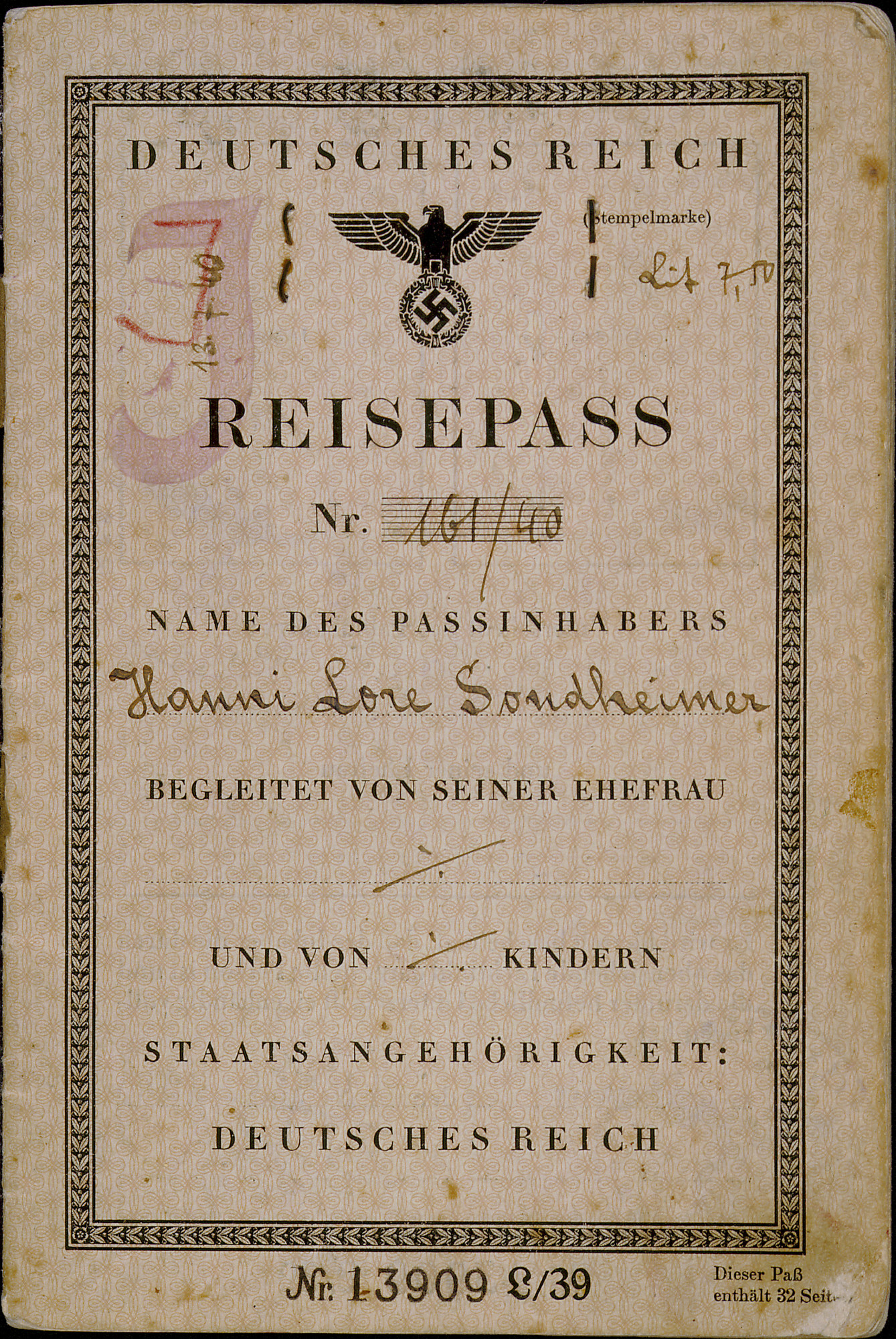
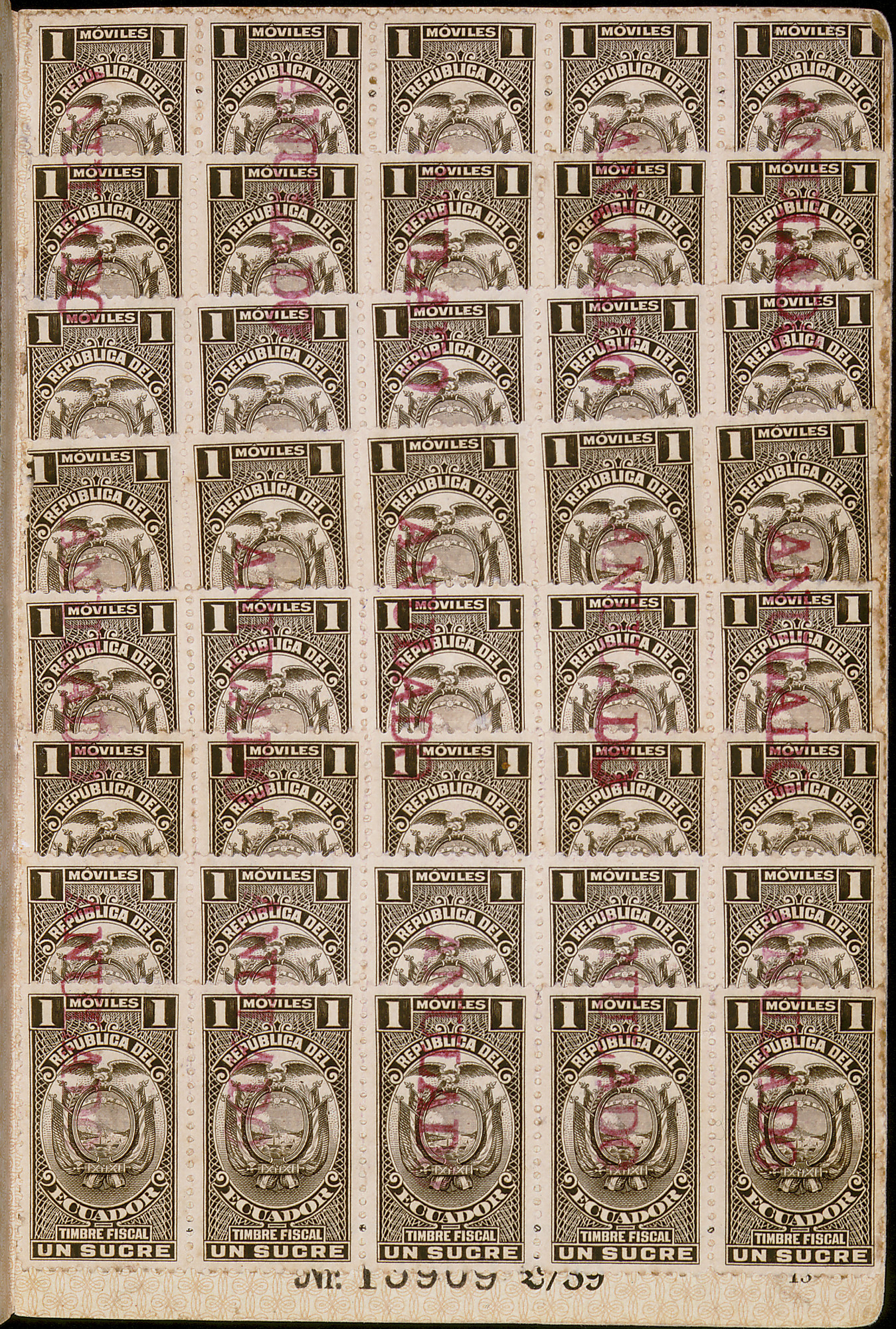
- USHMM: German passport issued to Hanni Sondheimer (donor) by the German Consulate in Kaunas.
- USHMM: German passport issued to Hanni Sondheimer by the German Consulate in Kovno.
- USHMM: German passport issued to Hanni Sondheimer by the German Consulate in Kaunas.
- USHMM: Vocational training certificate for Hanni Sondheimer.
- Oral history interview with Hanni Vogelweid (née Sondheimer) — United States Holocaust Memorial Museum, Flight and Rescue collection (RG-50.494.0013)
- Oral history interview with Hanni Vogelweid (née Sondheimer) — USC Shoah Foundation Visual History Archive, interview 36950. Catalogue: born Oct 5 1923, Berlin (Prussia, Germany); born Berlin 5 Oct 1923; p… — the interviewee may be living
- Catalogue still for the oral history of Hanni Vogelweid (née Sondheimer) — USC Shoah Foundation Visual History Archive, interview 36950 (the archive's public catalogue frame, 352x240); links to the testimony at vha.usc.edu/testimony/36950