Benjamin Belnish Gelbfisz
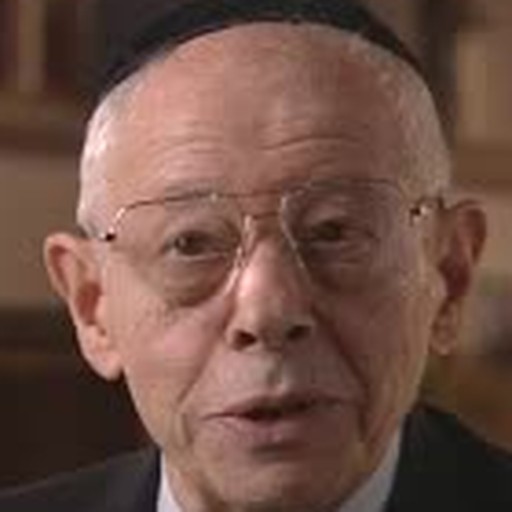
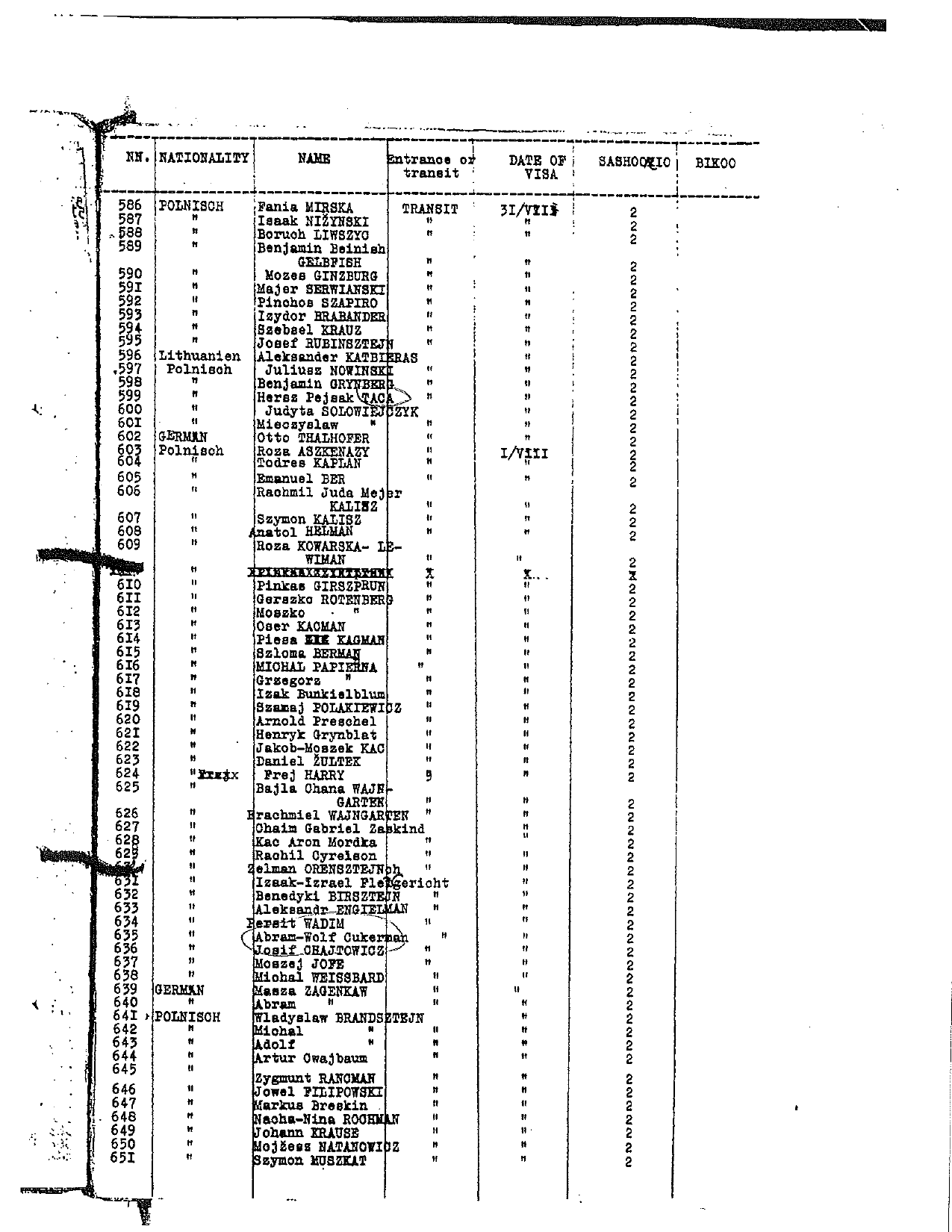
Benjamin Belnish Gelbfisz received transit visa no. 589 at the Japanese consulate in Kaunas on 31 July 1940. The register records rabbinical student - lublin yeshiva, aged 19.
Documents
| Name | Benjamin Beinish Gelbfish |
|---|---|
| Citizenship | Polnisch [Polish] |
| Visa | Transit |
| Issued | 31 Jul 1940 · arrived in Japan 24 Jan 1941 |
| Line | 589 |
What the register records
- Nationality as recorded
- Polnisch
- Age in 1940
- 19
- Occupation
- Rabbinical Student - Lublin Yeshiva
The journey
Reached Japan; reached Shanghai; registered in Kobe for USA.
What is known
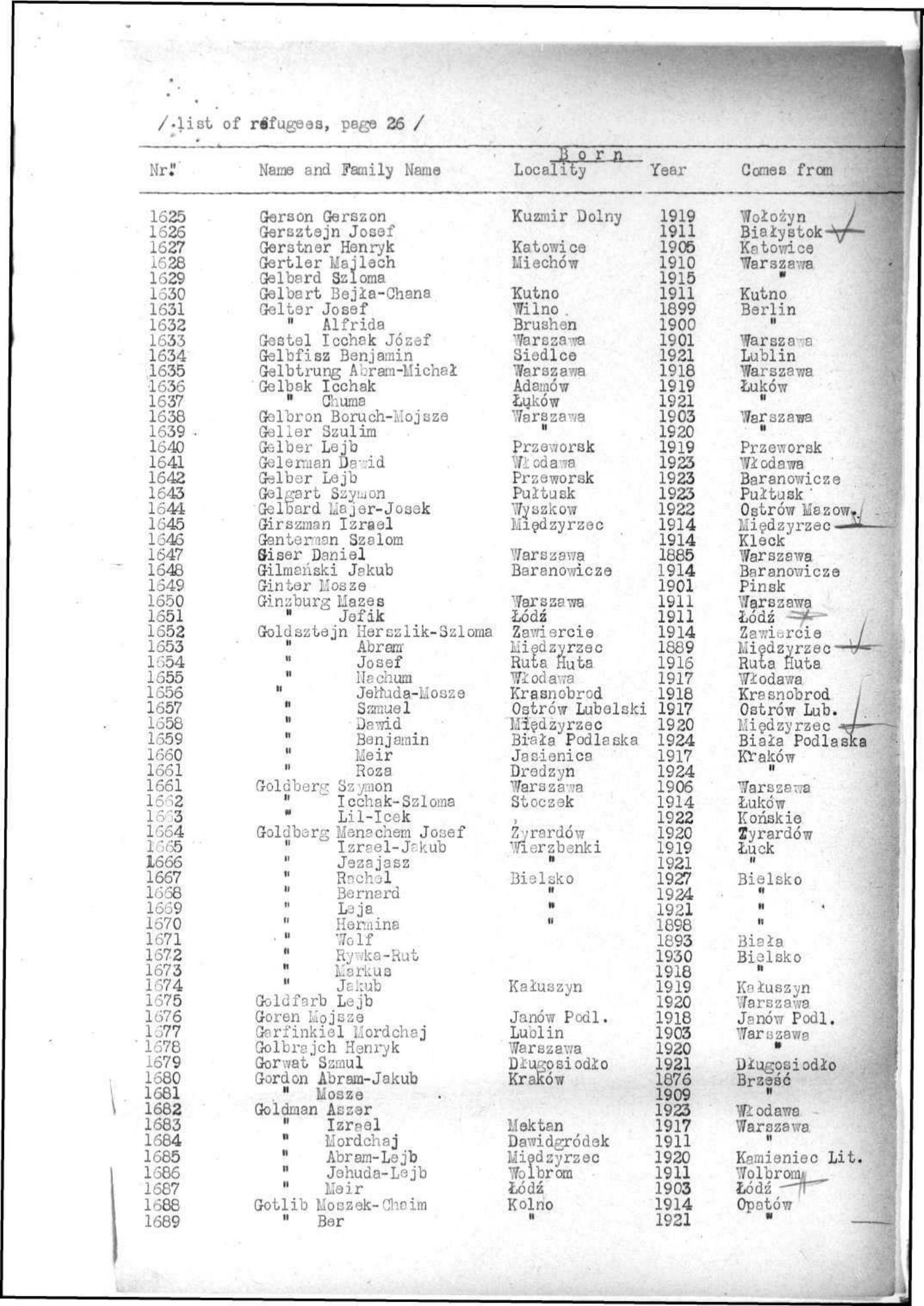
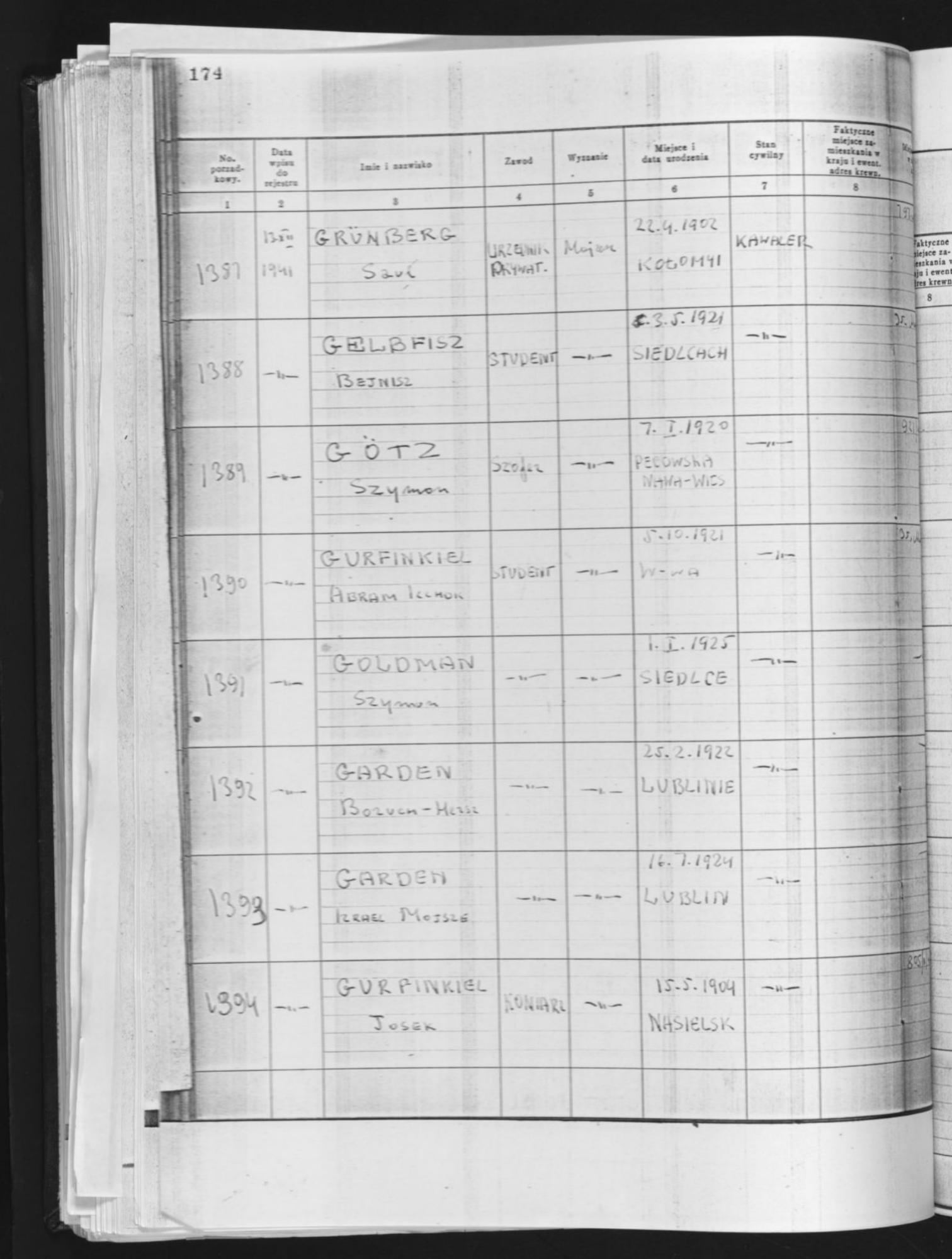
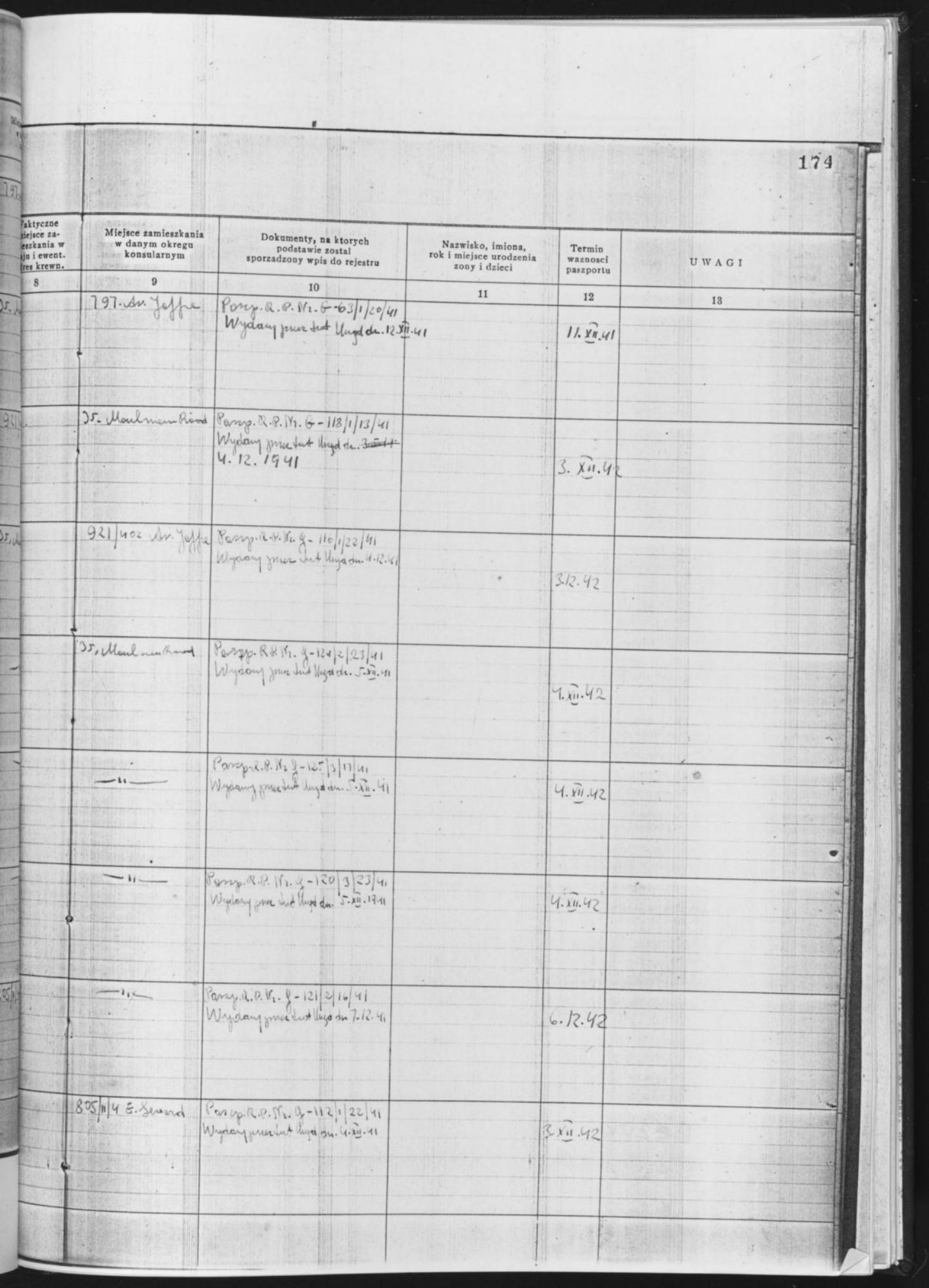
Benjamin Gelbfisz (the register reads Benjamin Beinish Gelbfisz; in America he spelled it Gelbfish) was a nineteen-year-old student at the Lublin yeshiva when Sugihara's consulate in Kaunas gave him a transit visa on 31 July 1940. In his oral history for the US Holocaust Memorial Museum he says that when the army took over the yeshiva in September 1939 he left Lublin with four other students, crossed the Bug and reached Vilna through Kovel. He says he left Kaunas on 10 February 1941 for Vladivostok, by train through Siberia, and sailed to Tsuruga; the museum's dataset, by contrast, gives his arrival in Japan as 24 January 1941. At Kobe, he says, he fell ill, and was put aboard the Nagasaki Maru, the last ship to Shanghai. The 1940 Vilna refugee list has a Benjamin Gelbfisz, born in 1921 at Siedlce, from Lublin; the Kobe community's relatives list has him aged 20, born at Siedlce. The Polish consulate in Shanghai registered him on 13 December 1941: a student born on 3 May 1921 at Siedlce, living at 35 Moulmein Road; the USC Shoah Foundation catalogues his birth as 7 August 1921. UNRRA records his arrival in China on 15 November 1941. He says he spent the war years in a Shanghai hospital with a leg infection, repaired watches for the American army after the war, and reached San Francisco in November 1946. He became a watchmaker and jewellery manufacturer, and, the Jewish Telegraphic Agency reported on 10 April 2018, died in 2008. He says his parents were killed at Treblinka.
Where this comes from
- United States Holocaust Memorial Museum, Holocaust Survivors and Victims Database — the Flight and Rescue electronic dataset (source 20725): USHMM's own transcription of the Kaunas register, 2,140 persons with citizenship, visa type, iss…
USHMM Flight and Rescue dataset: arrived in Japan 24 Jan 1941 (line 589) - The Shanghai Ledger — register of Polish citizens kept by the Consulate of Poland in Shanghai, 1934-1943 (original at the Archives of the Polish Ministry of Foreign Affairs, ref. 43/2003; digitised by the Library of Congress; indexed as…
Registered with the Polish Consulate in Shanghai (ledger entry 1388) — found on reading the ledger page itself — the ledger reads: Gelbfisz Bejnisz (the register's 'Benjamin Beinish Gelbfisz'), student, born 3 May 1921 Siedlce; 35 Moulmein Road; registered 13 December 1941 on a passport issued by the Shanghai consulate itself (G-118, 4 December 1941) — found on reading the page. - Oral history interview with Benjamin Gelbfish — USC Shoah Foundation Visual History Archive, interview 45605. Catalogue: born Aug 7 1921, Siedlce (Lublin, Poland); born Siedlce 7 Aug 1921; Bluman: No.589 B… — the interviewee may be living
USC Shoah Foundation VHA interview 45605: Benjamin Gelbfish — the interviewee himself — gave a testimony (catalogue: born Aug 7 1921, Siedlce (Lublin, Poland)); born Siedlce 7 Aug 1921; Bluman: No.589 Benjamin Gelbfisz, 19, Lublin yeshiva student; the Shanghai ledger (entry 1388) has him born 3 May 1921 Siedlce — the same man, a date conflict of three months - Oral history interview with Benjamin Gelbfish — United States Holocaust Memorial Museum, oral history interviews of the Flight and Rescue collection, RG-50.494.0008, recorded 1999. Linked; the Museum's still from the interview is shown o…
He recorded an oral history for the United States Holocaust Memorial Museum's Flight and Rescue project in 1999, as Benjamin Gelbfish. He says in it that when the war broke out he was at the Yeshivas Chachmei Lublin, which is the yeshiva the compiled list gives for this line. The interview is linked here and its still is on the Testimonies page. - UNRRA China Office, S-1132-0000-0181, Mizrachi members list and the United Board of Rabbis' birth-data pages, Shanghai 1945–46 (UN Archives, AG-018-001)
The United Board of Rabbis and Rabbinical Colleges in Shanghai listed him among its members after the war, born in 1921 in Siedlec. (United Nations Archives, UNRRA China Office records.) - Jon Kalish, "The Shoah through Orthodox eyes", JTA / The New York Jewish Week, 10 April 2018
After the war Benjamin Gelbfish made his living as a watchmaker and jewellery manufacturer. He died in 2008. In 2018 his family lent the Amud Aish Memorial Museum in Brooklyn the papers he had kept from the journey — among them an unused meal ticket from a Vilna soup kitchen of 1939 and his Trans-Siberian railway ticket booklet — as the Jewish Telegraphic Agency reported on 10 April 2018. The papers the museum holds — a Vilna soup-kitchen ticket of 1939 and the Trans-Siberian booklet — are the route of this register line, a Lublin yeshiva student of 19 in 1940, and the name occurs once on the register. - Polish rabbis and rabbinical students registered with UNRRA, Shanghai (United Nations Relief and Rehabilitation Administration, China Office;… — United States Holocaust Memorial Museum, Holocaust Survivors and Victims Database, list 48676
The United Nations Relief and Rehabilitation Administration's Shanghai register of Polish rabbis and rabbinical students, indexed by the United States Holocaust Memorial Museum, has Benjamin B Gelbfisz, rabbinical student, arrived in China in 15 Nov 1941, wishing to go to Canada. The name occurs once on the register; the list is of the refugees who came from Vilna by way of Kobe, and an arrival in Shanghai in 15 Nov 1941 is the route this line is recorded as taking. - Yad Vashem Archives, Jerusalem — the card file of Jewish refugees from Poland who found refuge in various countries, 1939–1941
Yad Vashem's card file of Jewish refugees from Poland who found refuge in various countries, 1939–1941, has a card for Beniamin Gelbfisz, aged 19, of Siedlce, who was in Wilno during the war; his age and his town agree with this register line. Credit: Yad Vashem Archives. - List of Refugees, Vilna, 1940 — JDC Archives, New York, collection AR 33/44, file 00876. The contemporary register of Polish Jewish refugees in Lithuania, running to more than nine thousand numbered entries; the fullest independent check…
The 1940 Vilna refugee list has, at entry 1634, Benjamin Gelbfisz, born in 1921 at Siedlce, who came from Lublin. - Oral history interview with Benjamin Gelbfish — United States Holocaust Memorial Museum, oral history interviews of the Flight and Rescue collection, RG-50.494.0008, recorded 1999. Linked; the Museum's still from the interview is shown o…
In his oral history for the United States Holocaust Memorial Museum he describes the first days of the war in Lublin, when the army took over the yeshiva as a hospital and he handed over the keys. On the second Saturday night of the war he left with four other students, crossed the Bug by clinging to a peasants' wagon, spent about ten days in a village under German and then Soviet troops, and reached Vilna through Kovel with a note from the Soviet commissar. He says he left Kaunas on 10 February 1941, one of the first to receive Soviet permission to go to Vladivostok, after the secret police questioned him repeatedly about his life and kept his papers for a day. He had only 38 dollars; he went by train to Riga, where he bought a whole book of tickets to Vladivostok for himself, his brother, his sister and a Rabbi Margolius, and returned to Kaunas in 48 hours. He crossed Siberia by train, stayed two nights in the Hotel Novo Moskovskaya in Moscow, and sailed from Vladivostok to Tsuruga, where local Jews met him and took him by rickshaw to a night's lodging. In Kobe, he says, the Jewish committee gave him a few yen and rented a house where about eight refugee students slept on the floor and cooked in turn. He bought fish and rice at the market and learned some Japanese from the shopkeepers, but fell seriously ill and could not walk. He had been trying for an American visa and had an appointment at the American consulate, which was cancelled when the consulate stopped giving visas. The Jewish committee obtained a month's extension of his transit visa, and he was put aboard the Nagasaki Maru, the last ship, to Shanghai in an ambulance. From Japan he posted packages of tea to his parents in Poland, in rotation under different names, and says his parents wrote that they arrived. In Shanghai he spent the war years in hospital with a leg infection, in a cast, and was kept on because he sharpened the blunt needles and repaired the clinic's equipment. After the war he mended watches for the American army's post exchange in the former Nanking Road quarter, and was soon sent watches from other offices by name. He left Shanghai by army plane and reached San Francisco in November 1946 on a student visa, went to Los Angeles, Detroit, Chicago and New York, married, and became a watchmaker. He has seven children and says his parents were killed at Treblinka. His sister Esther, who escaped from a labour camp and survived under Polish papers, reached Israel in 1950. The interview gives 10 February 1941 as the date he left Kaunas for Vladivostok. The Museum's Flight and Rescue dataset has him arriving in Japan on 24 January 1941, which is earlier than that departure. - The Kobe relatives list — refugees at Kobe in 1941 recorded with their relatives abroad. Seventy-six pages in numbered sheets (LIST No. 7, No. 16 and others), each line giving a name, age, birthplace, occupation and citizenship, and then…
The Kobe community's list of refugees and their relatives abroad gives aged 20, born at Siedlce, a yeshiva student.