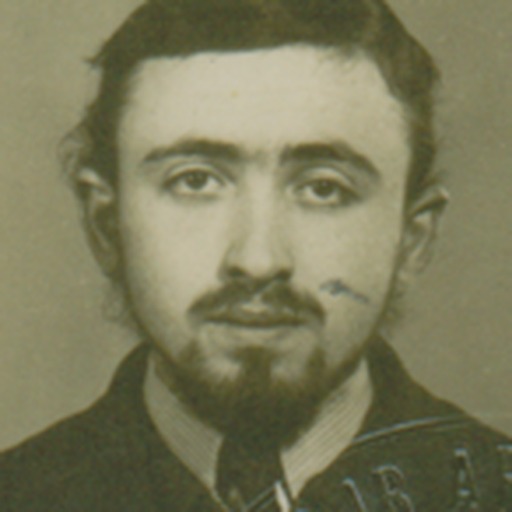
Detail of a document published in full on this page.
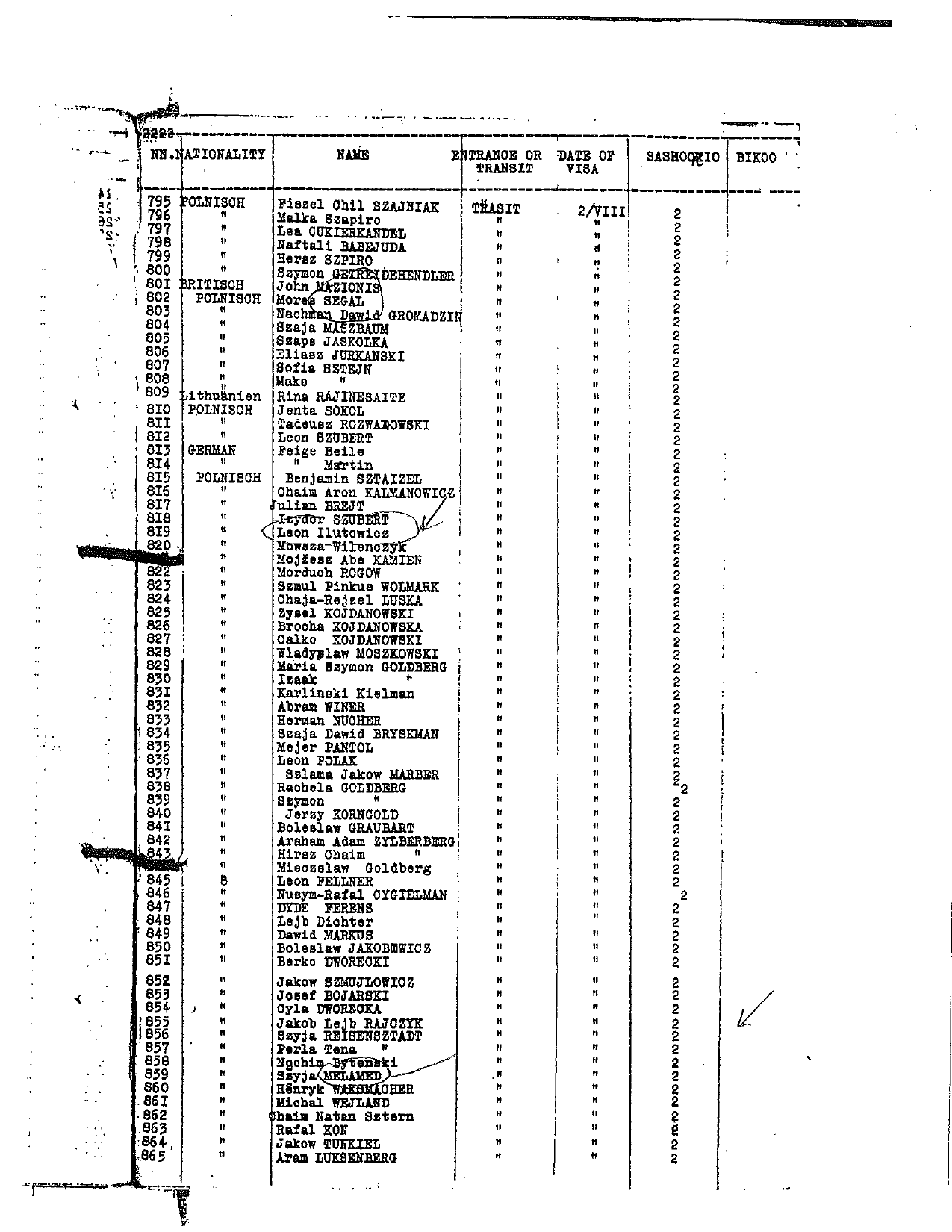
Szaps Jaskolka received transit visa no. 805 at the Japanese consulate in Kaunas on 2 August 1940. Aged 19 in 1940.
The records themselves83 documents
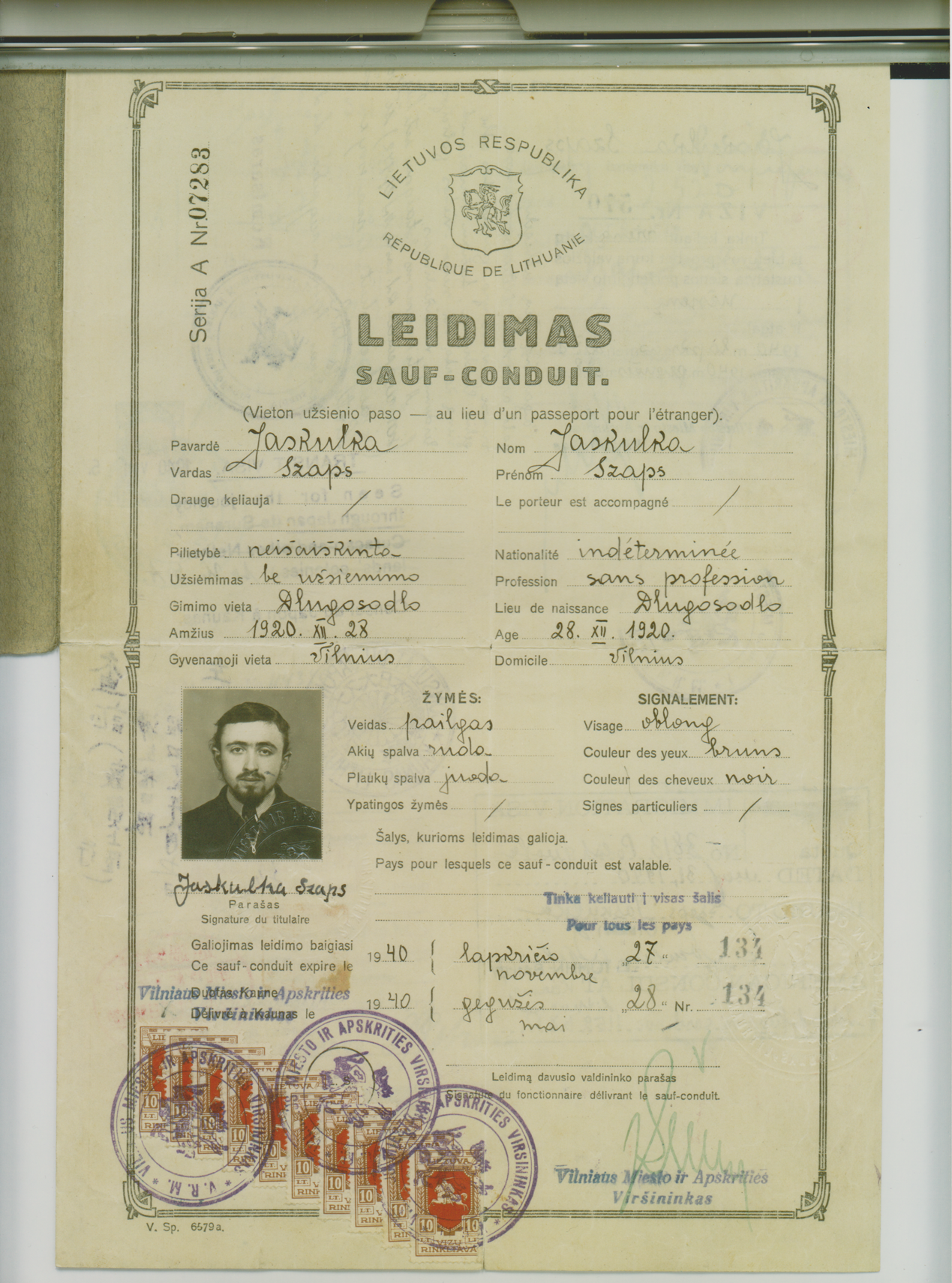
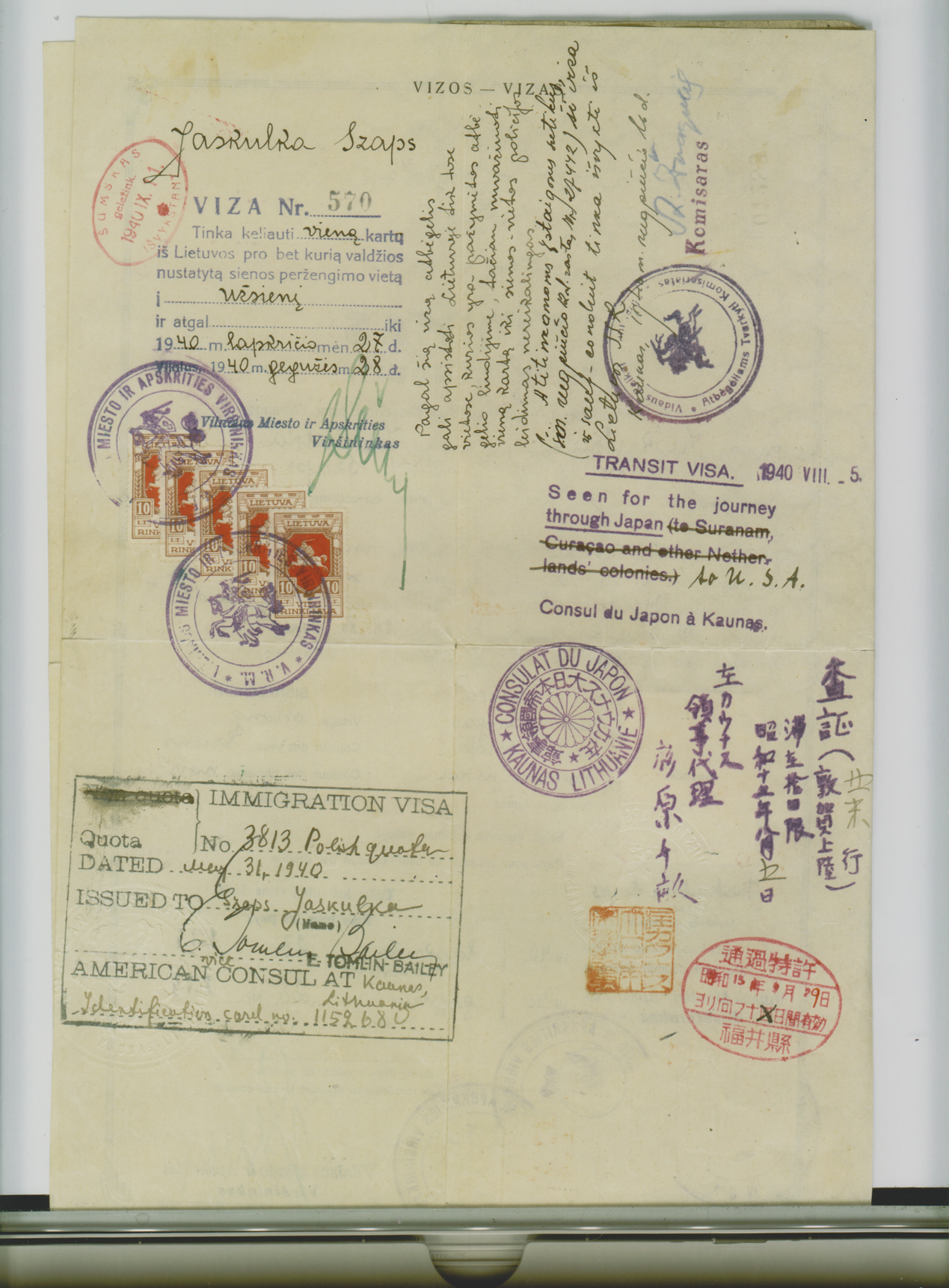
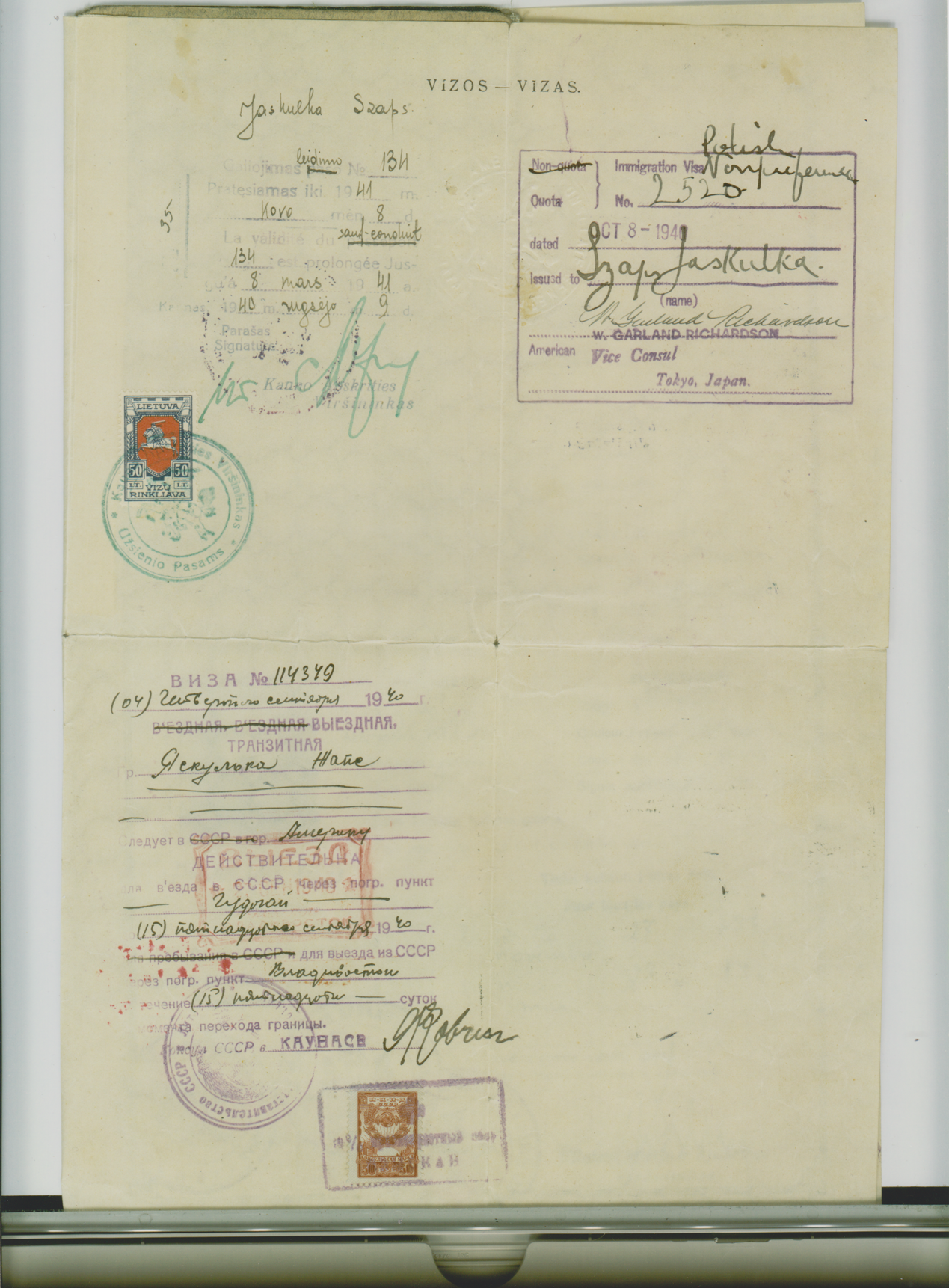
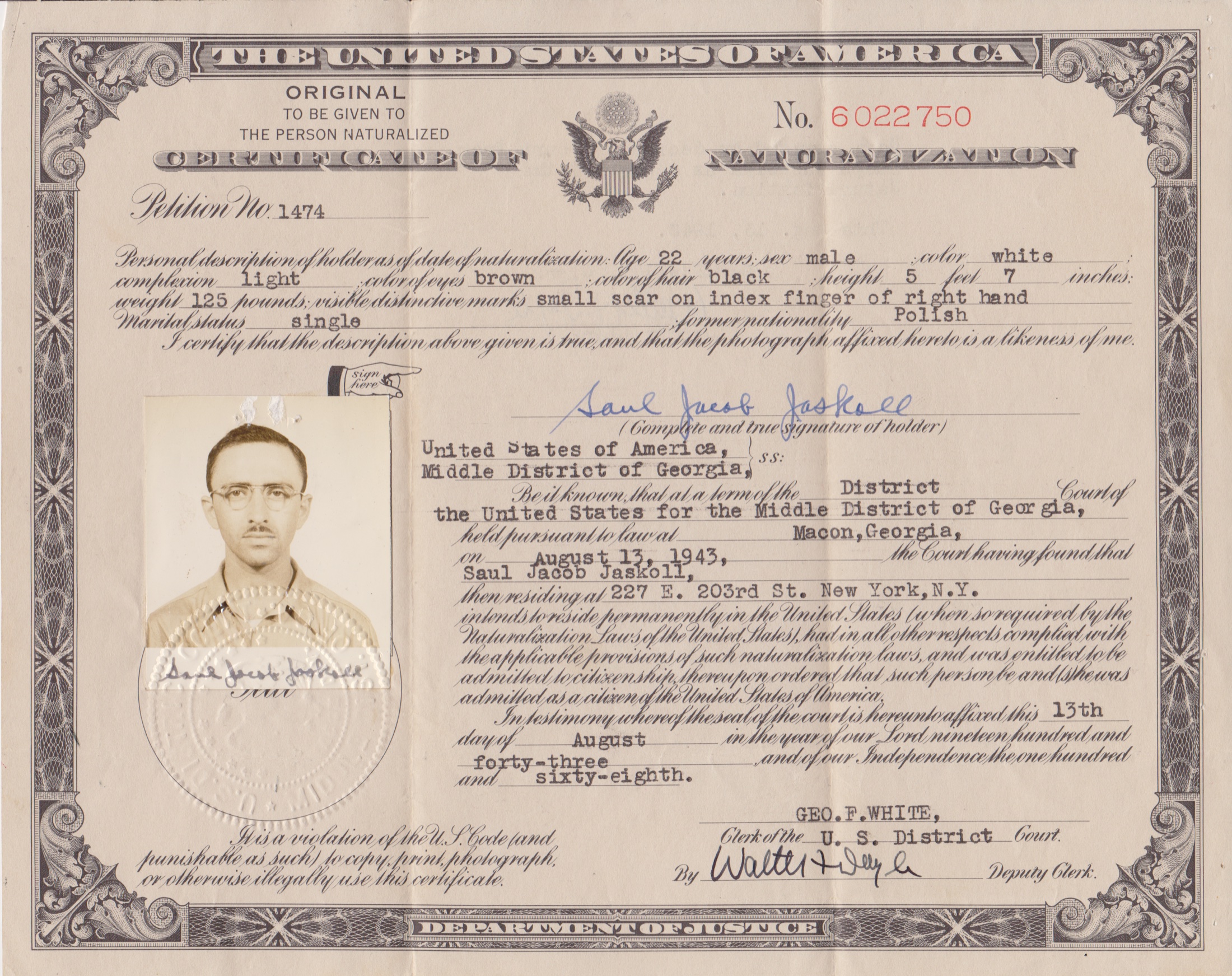
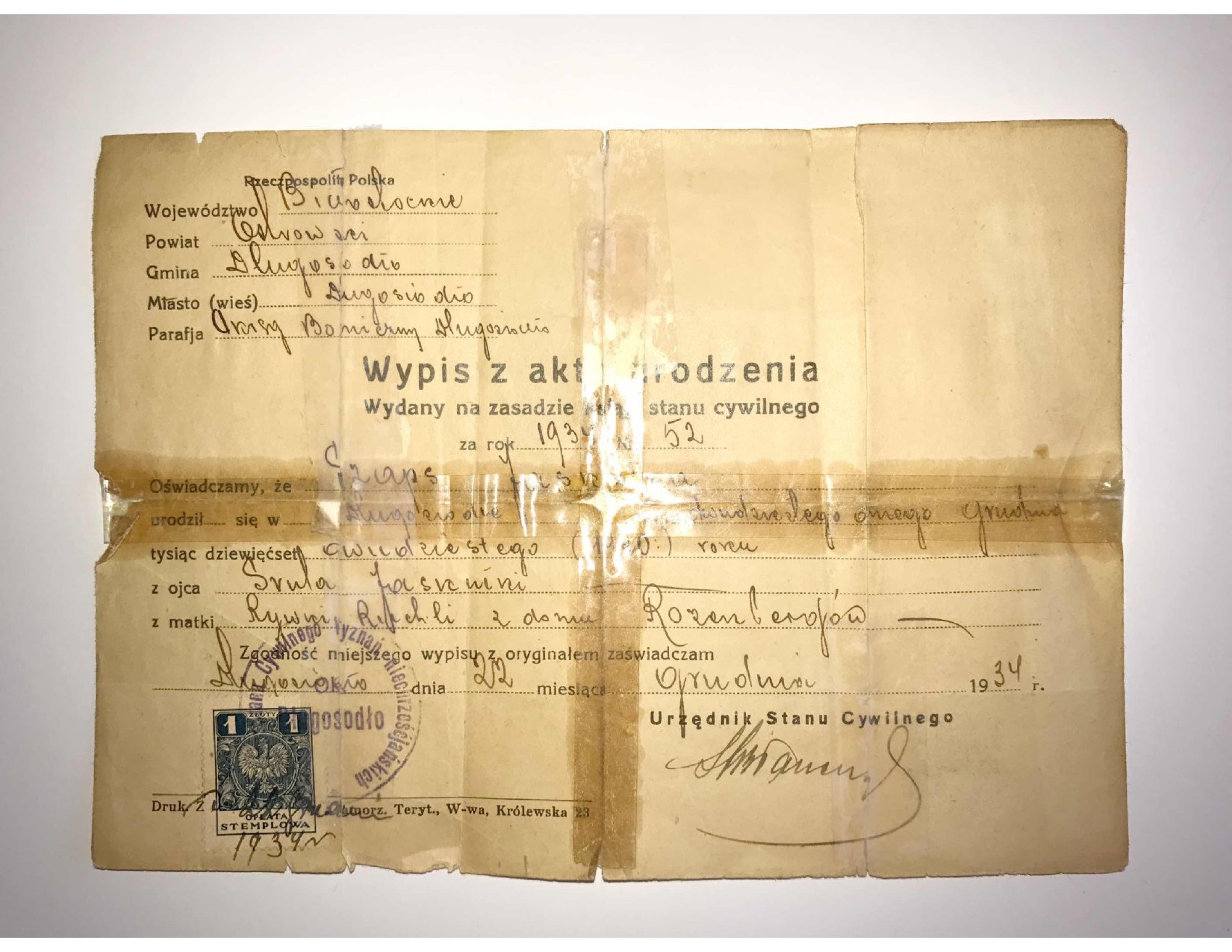
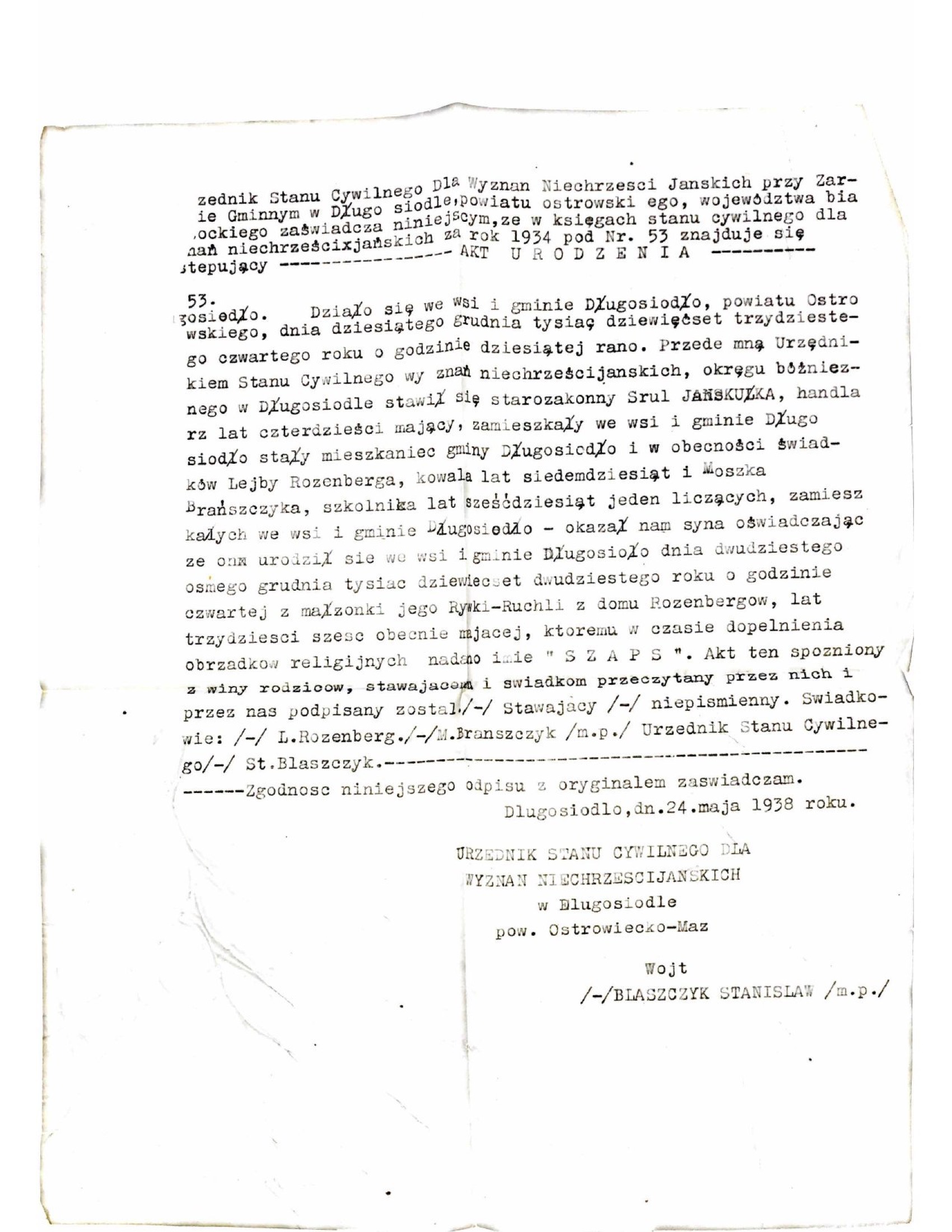
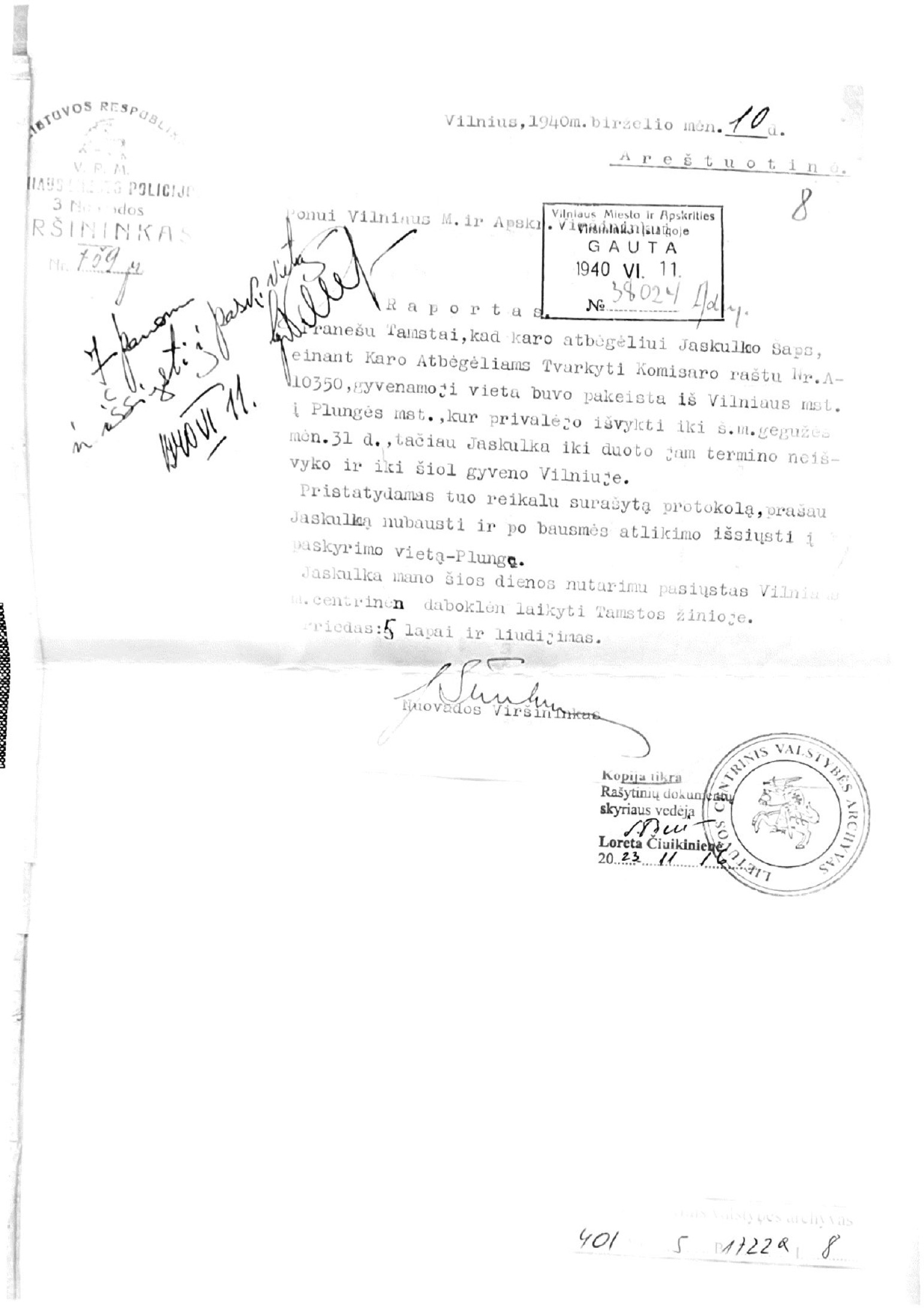
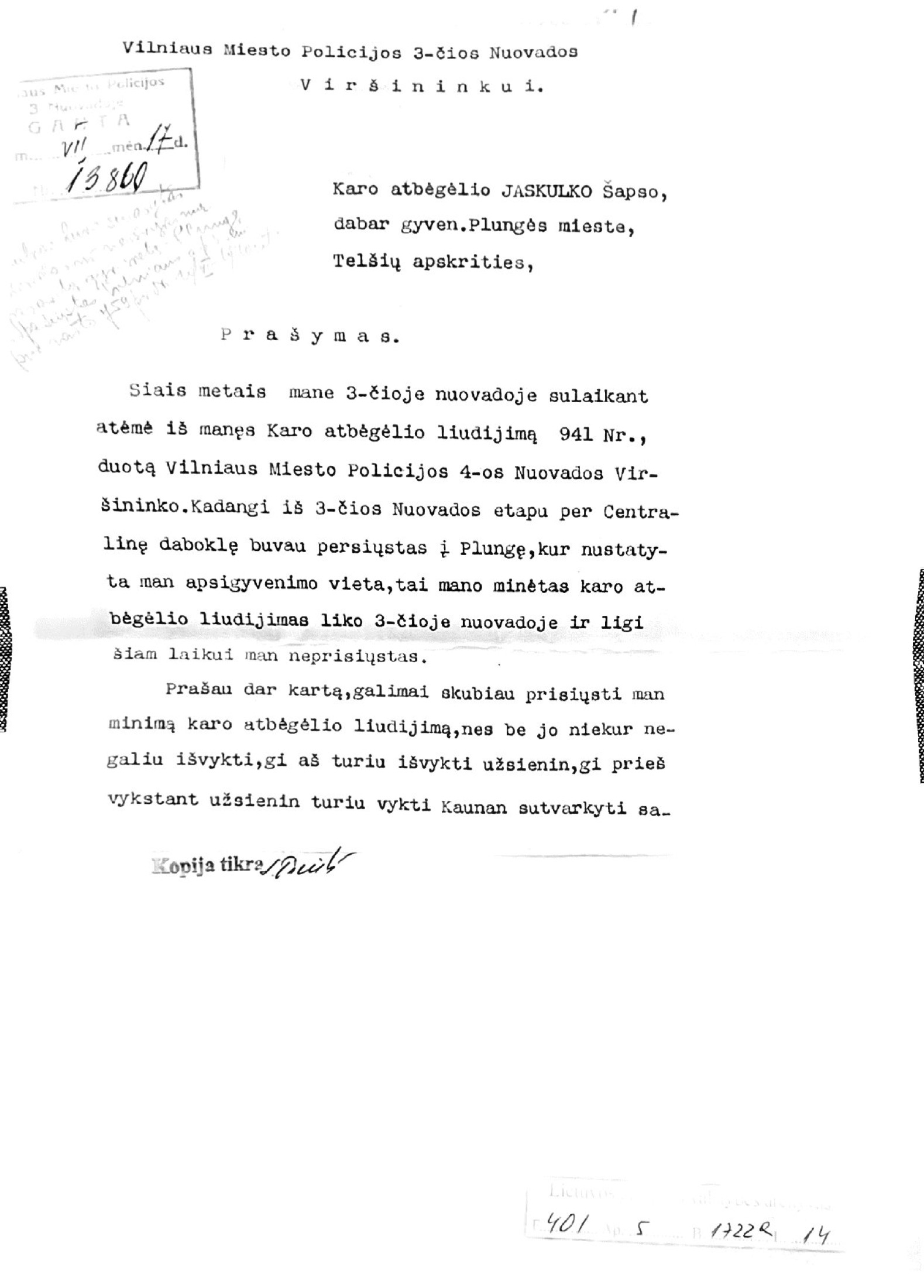
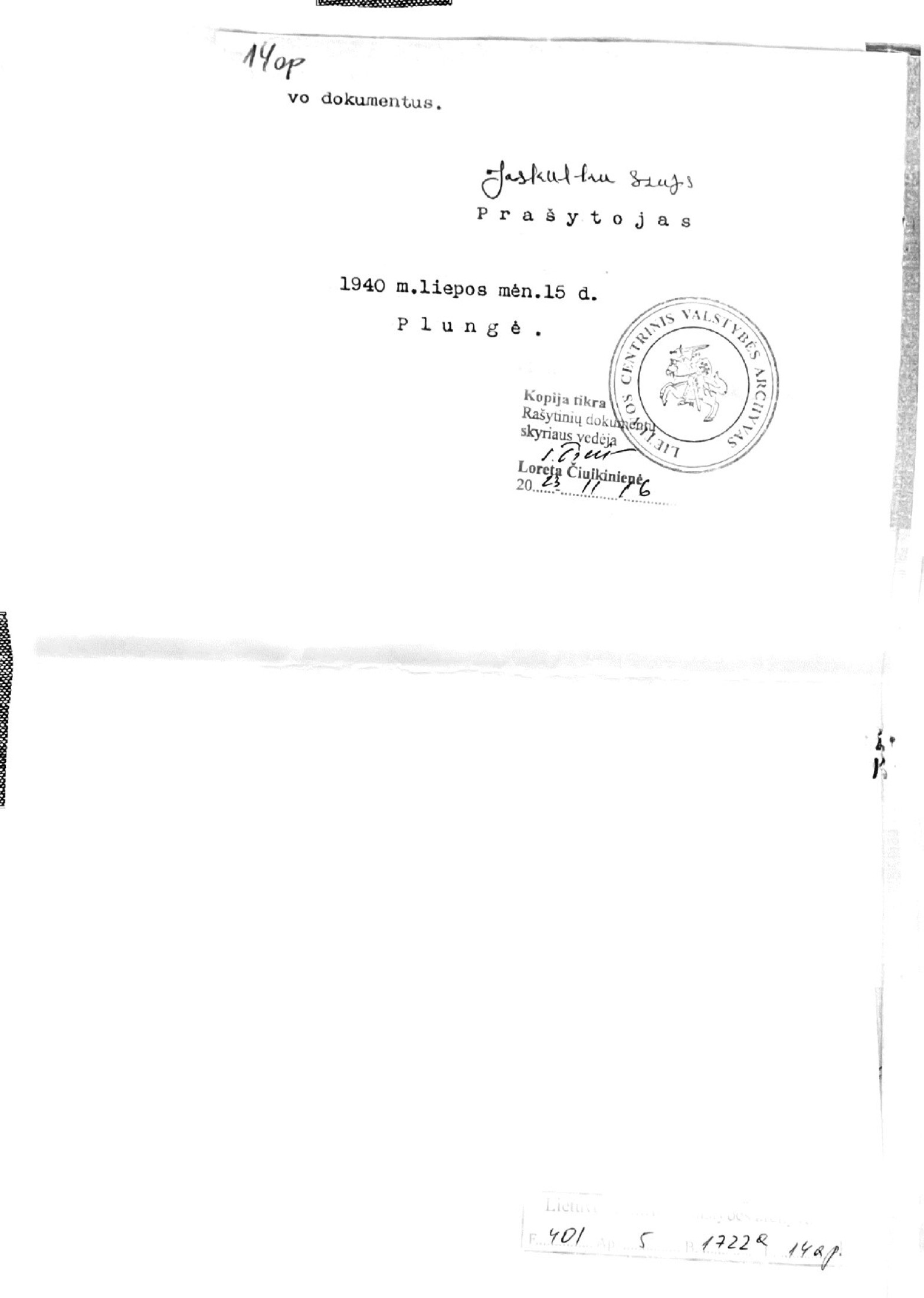
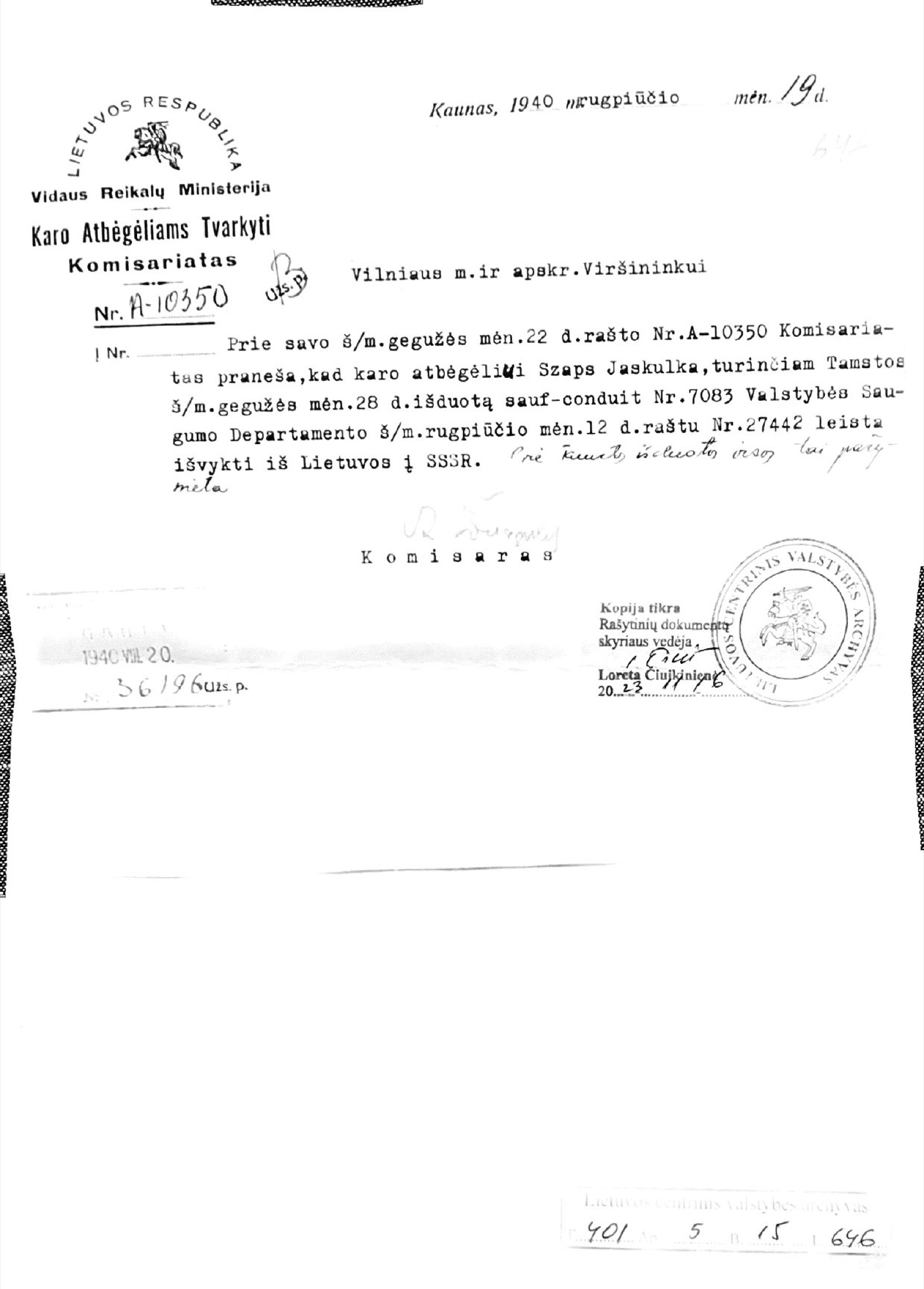
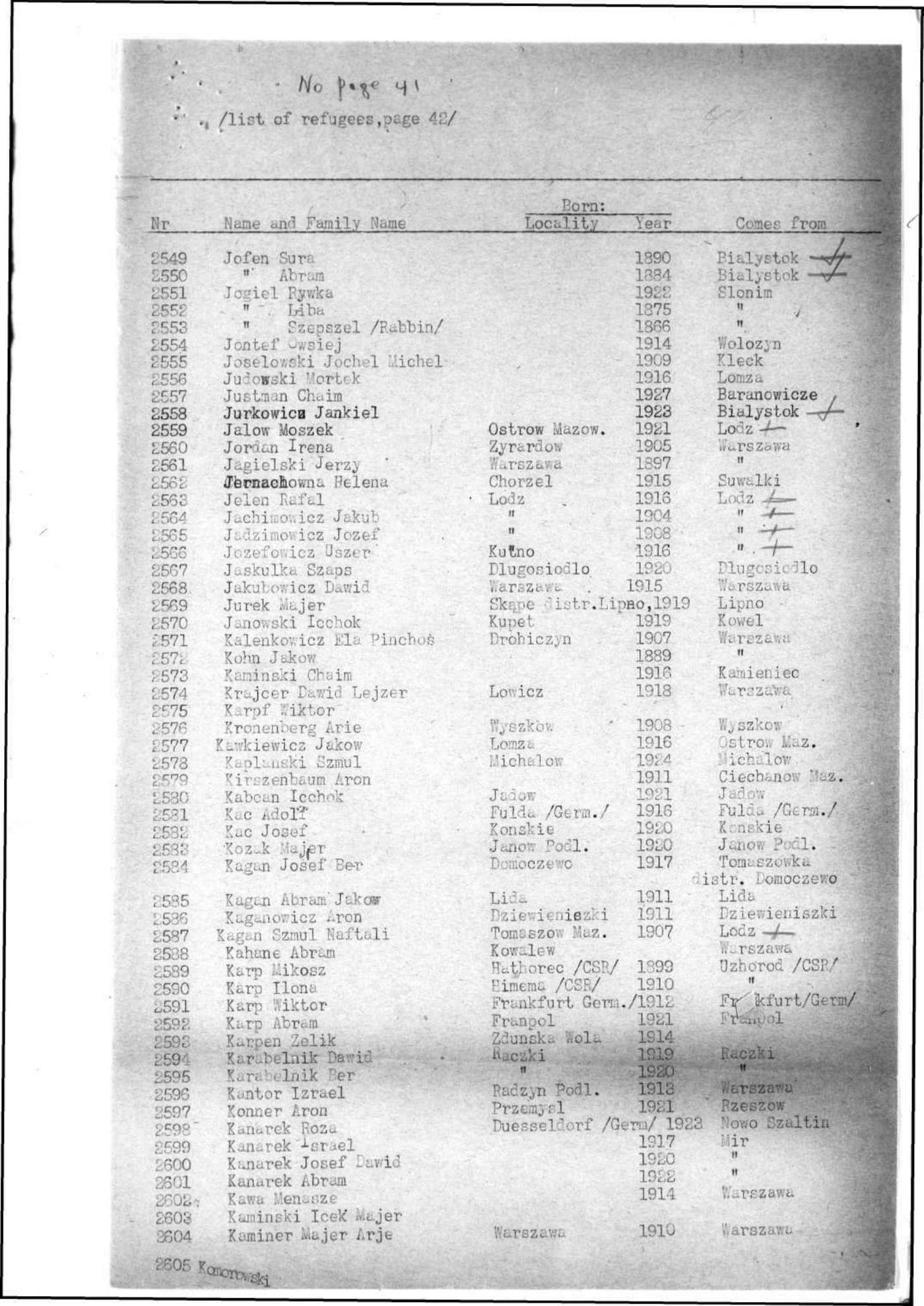
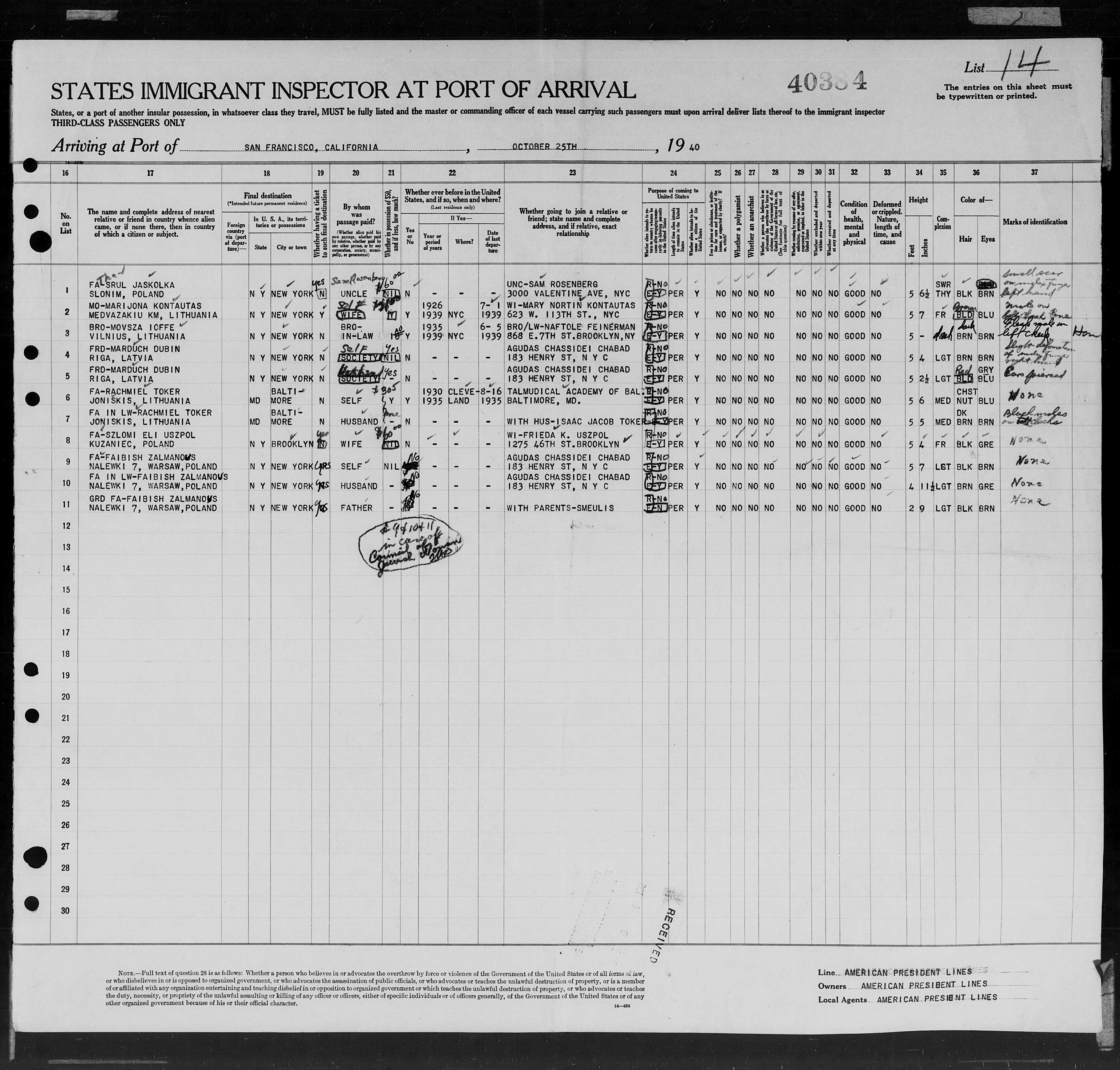
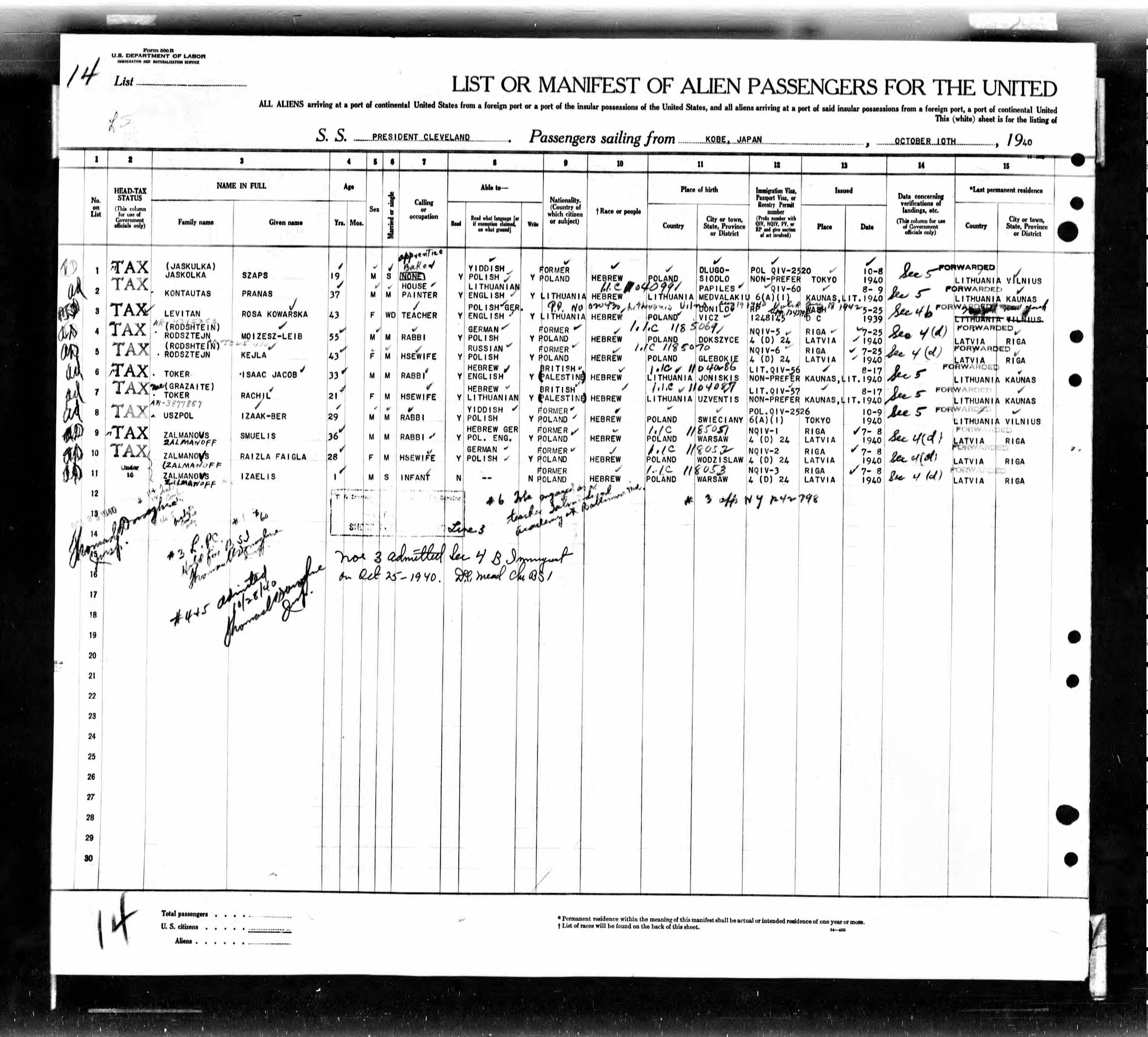
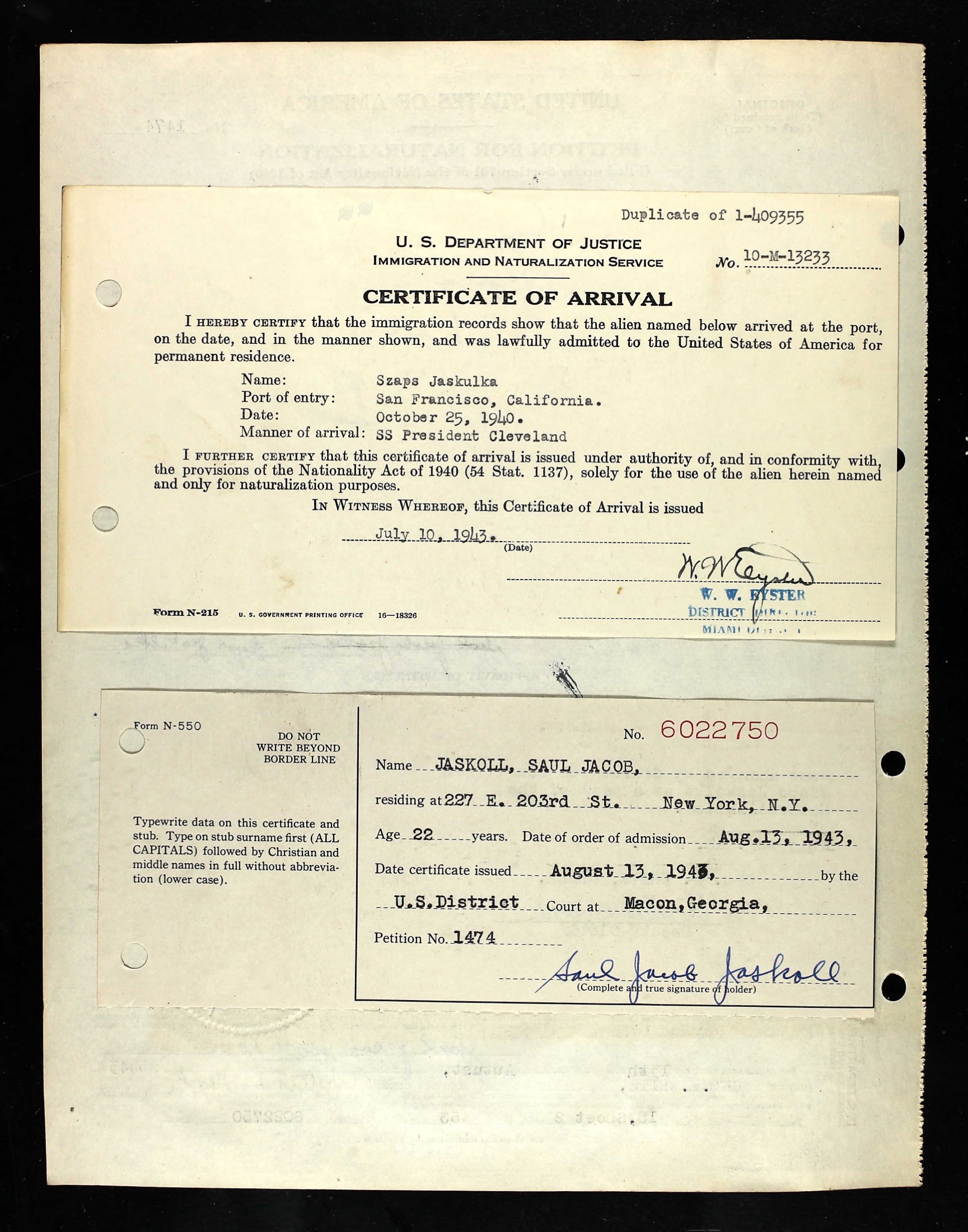
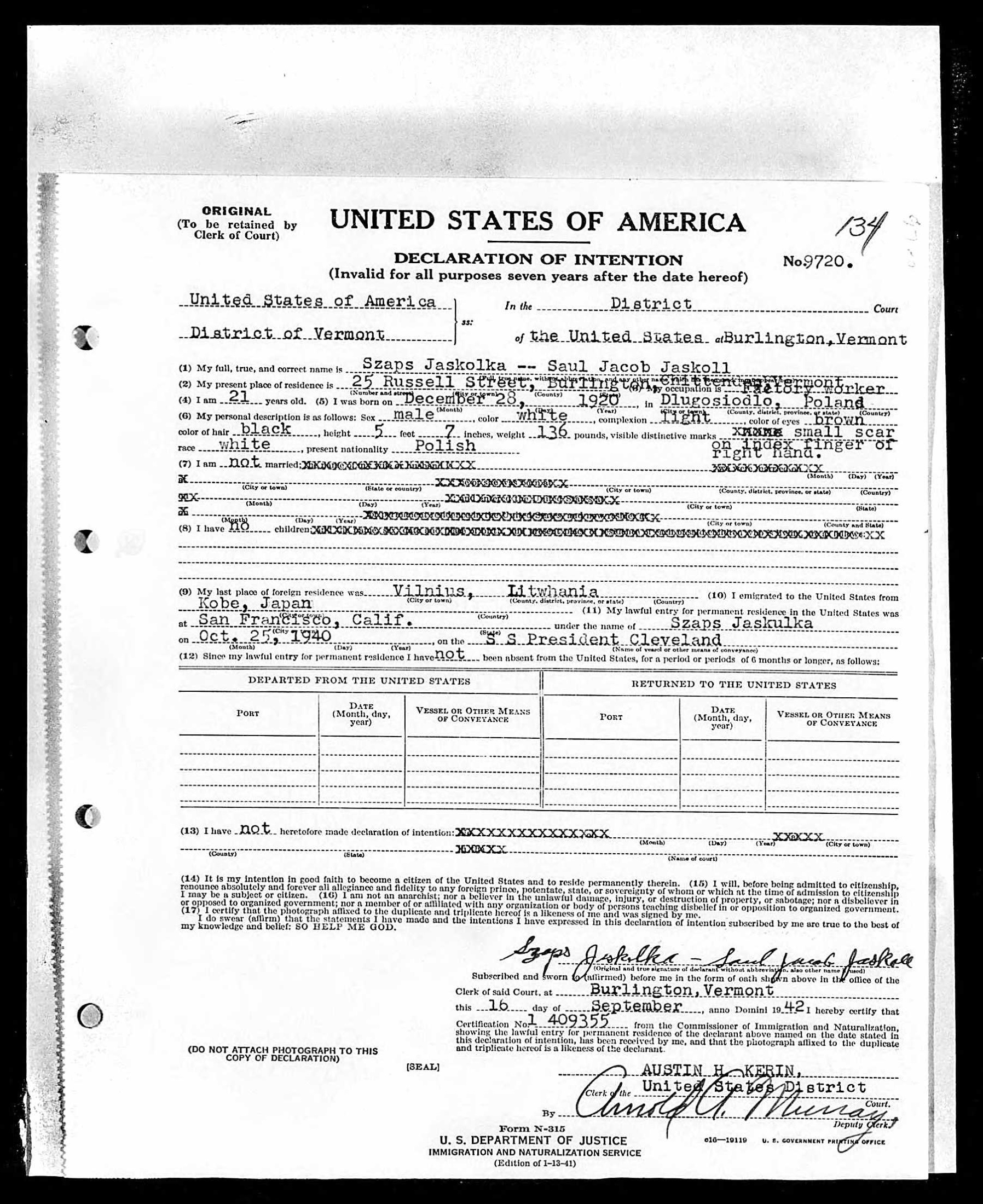
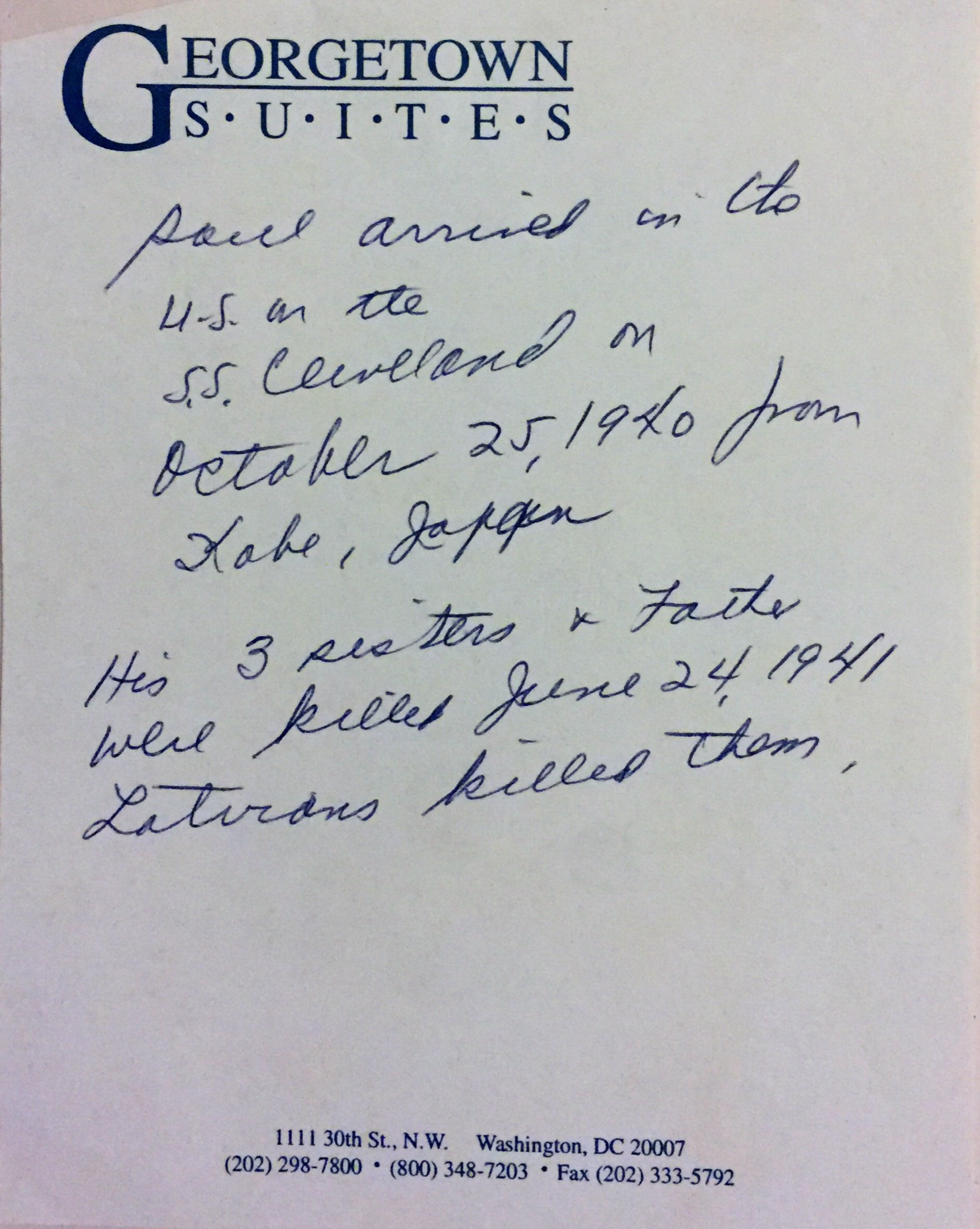
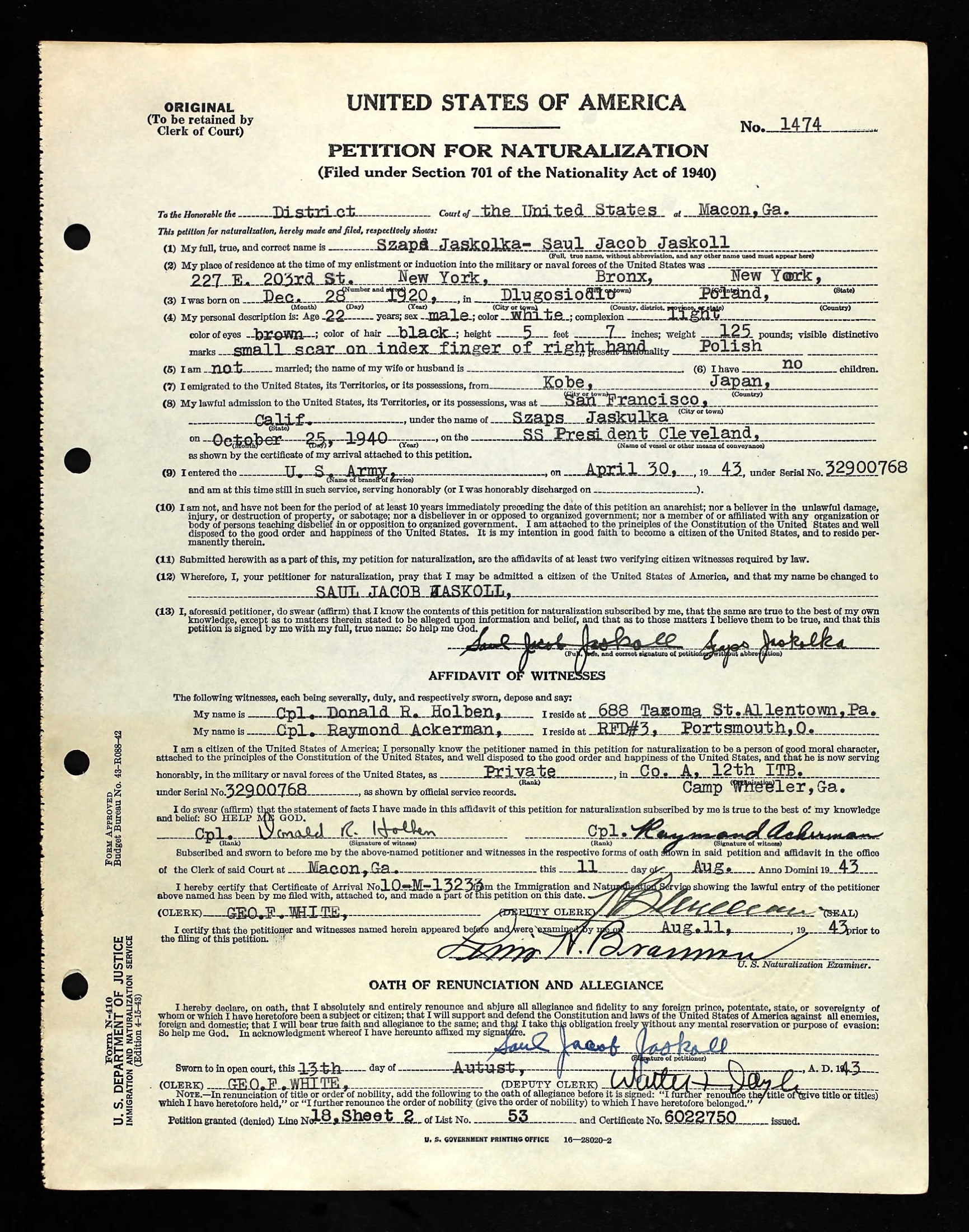
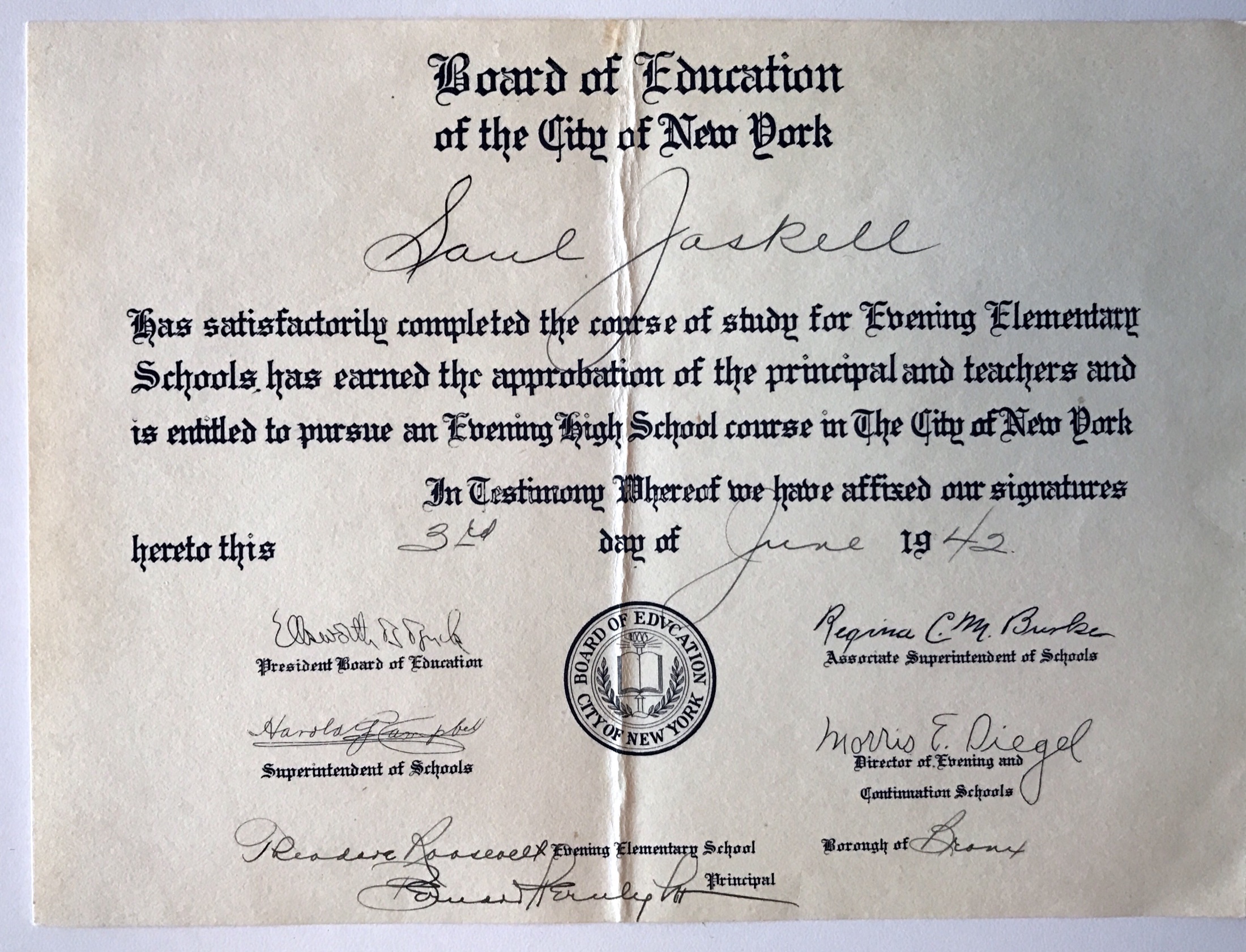
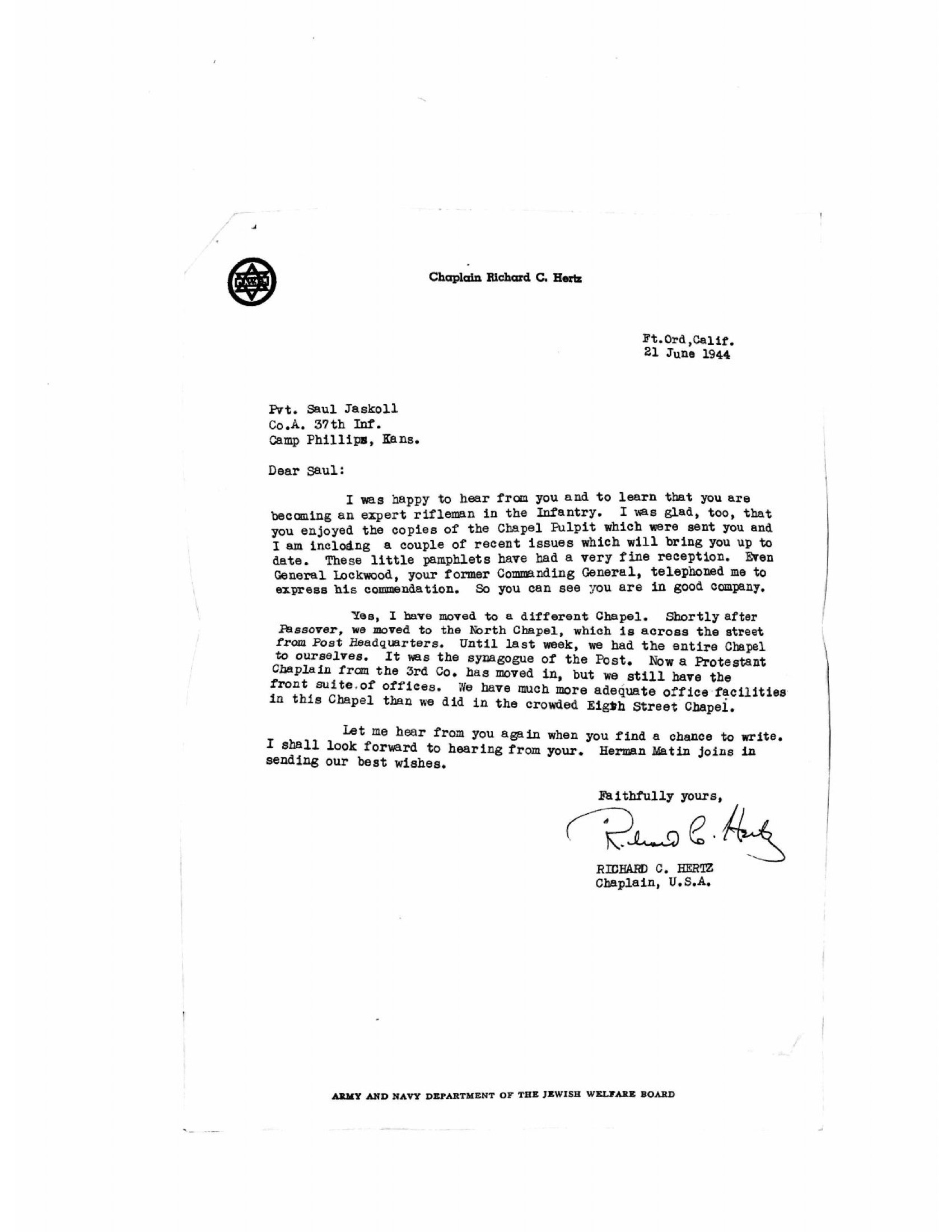
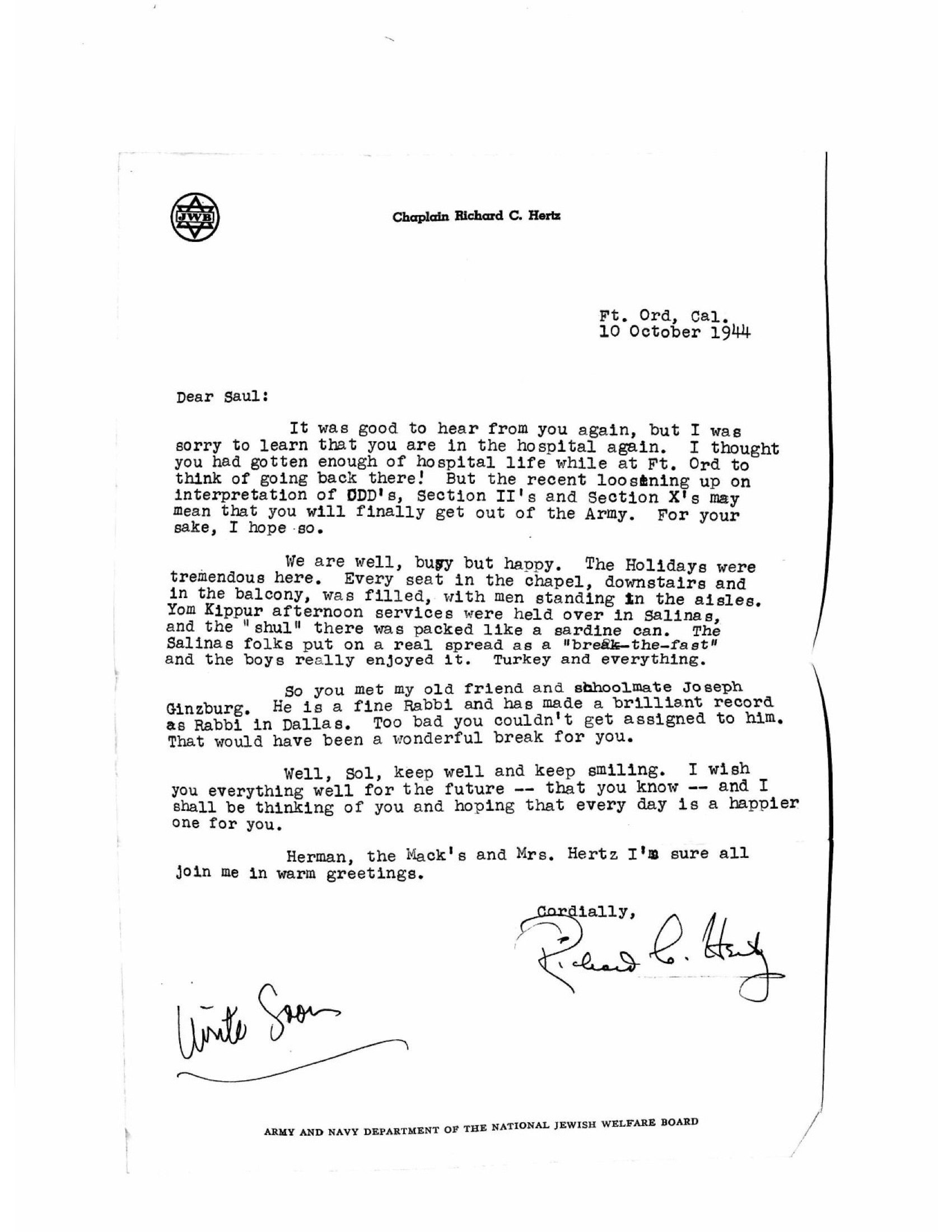
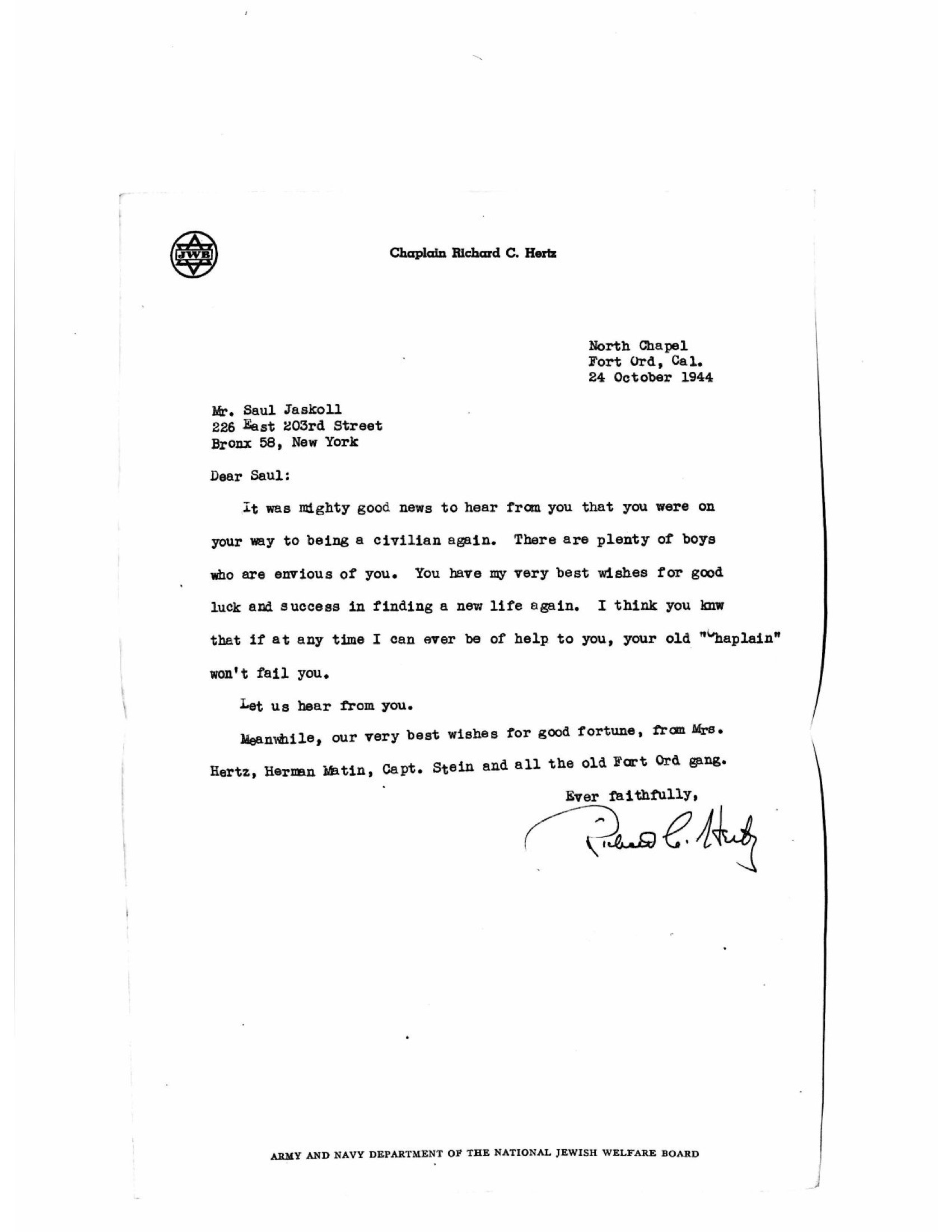
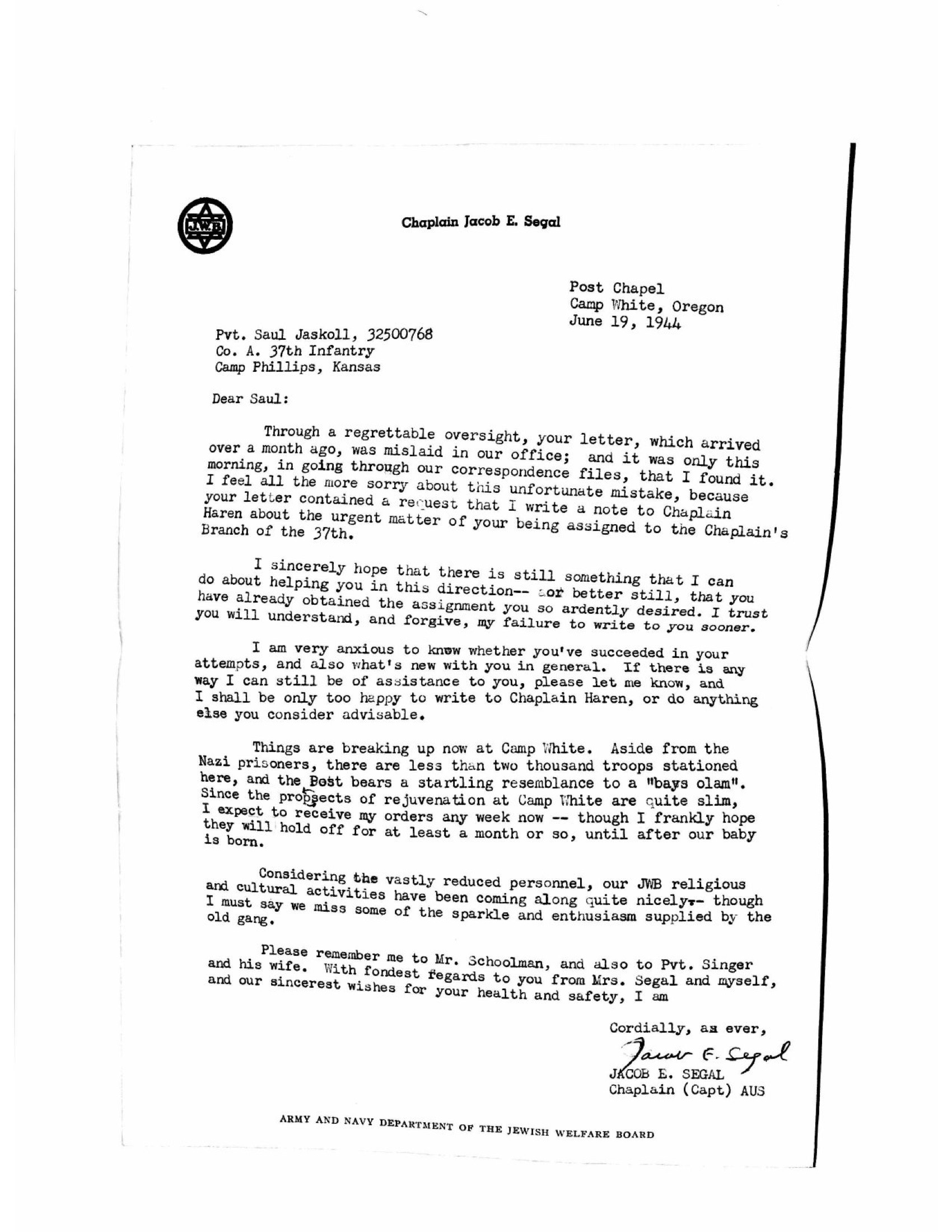
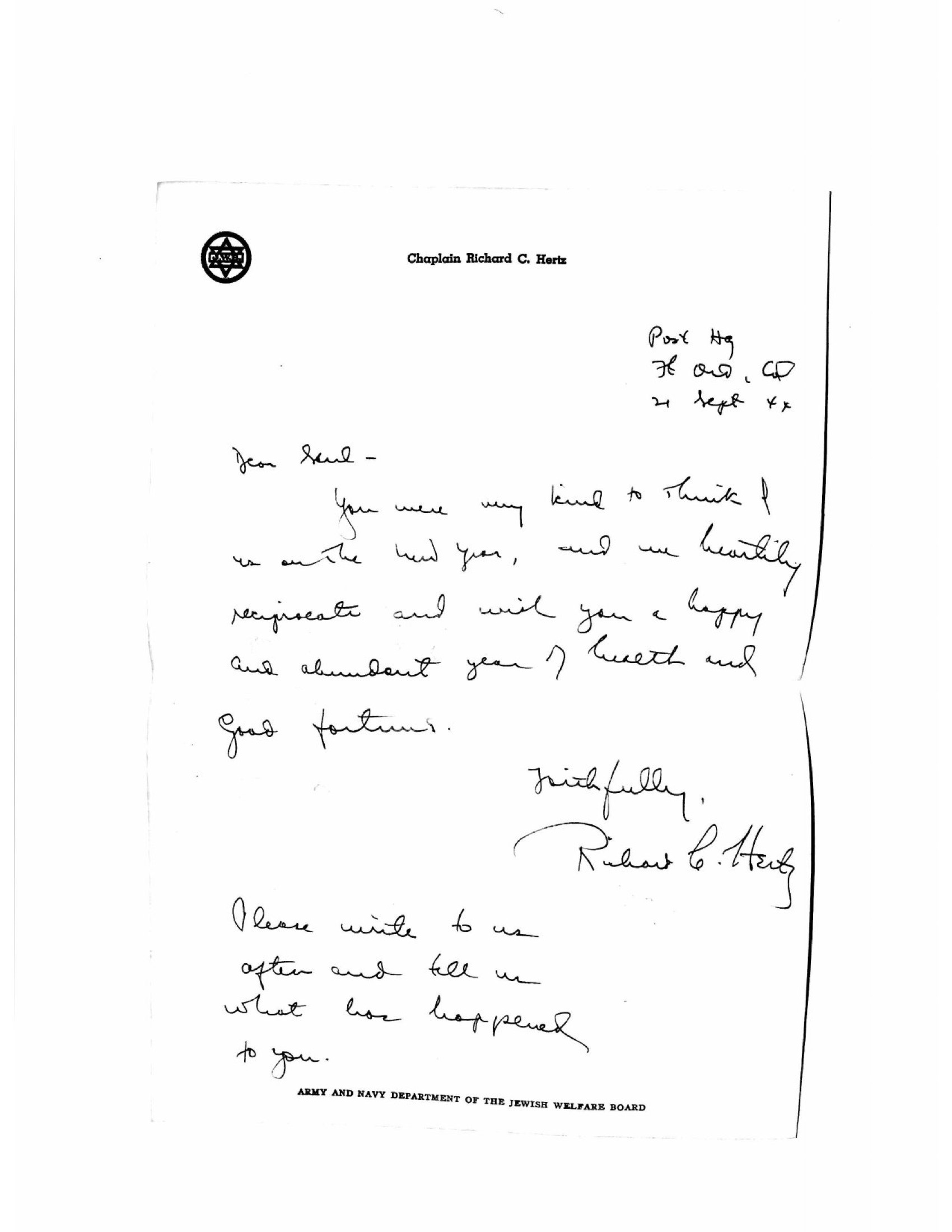
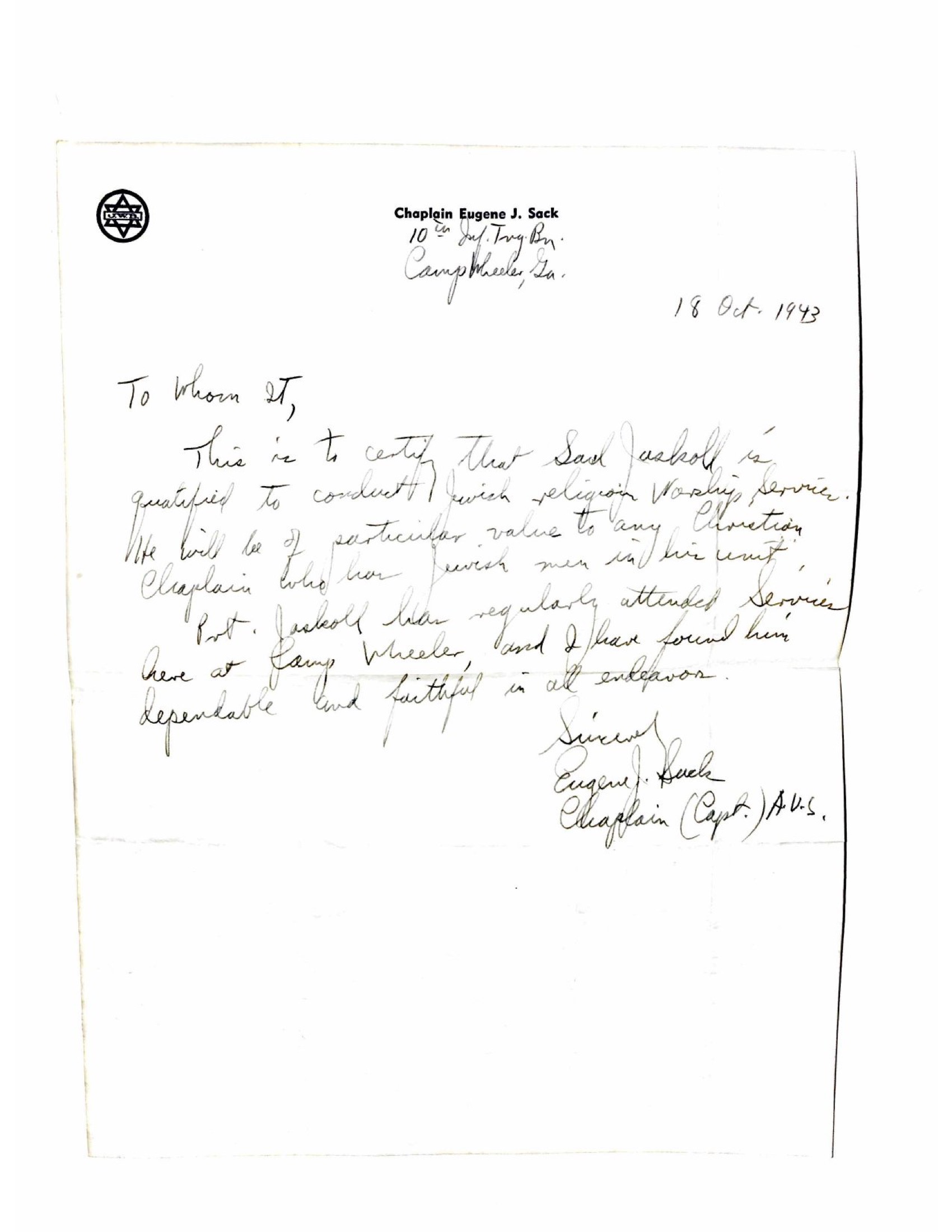
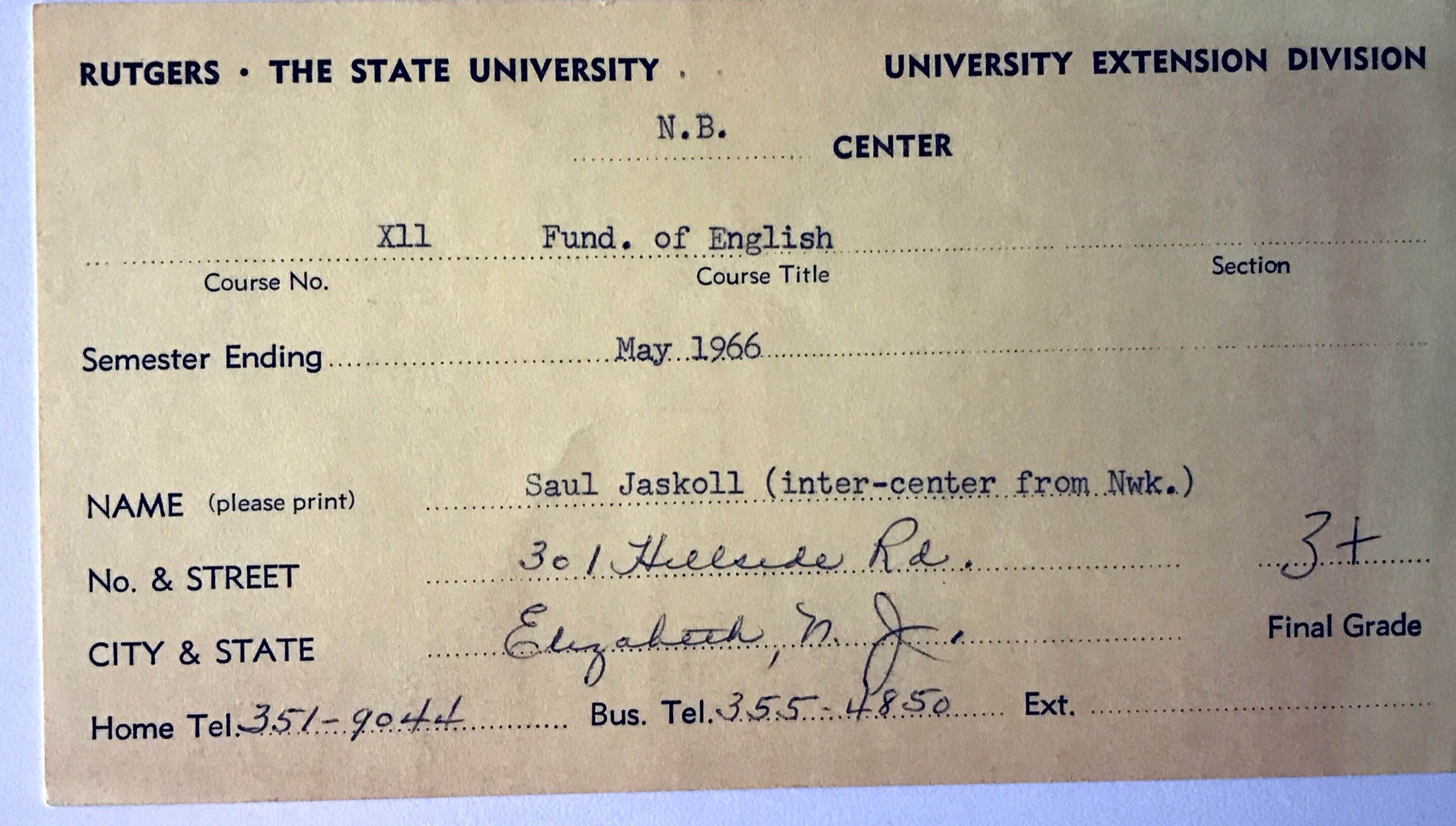
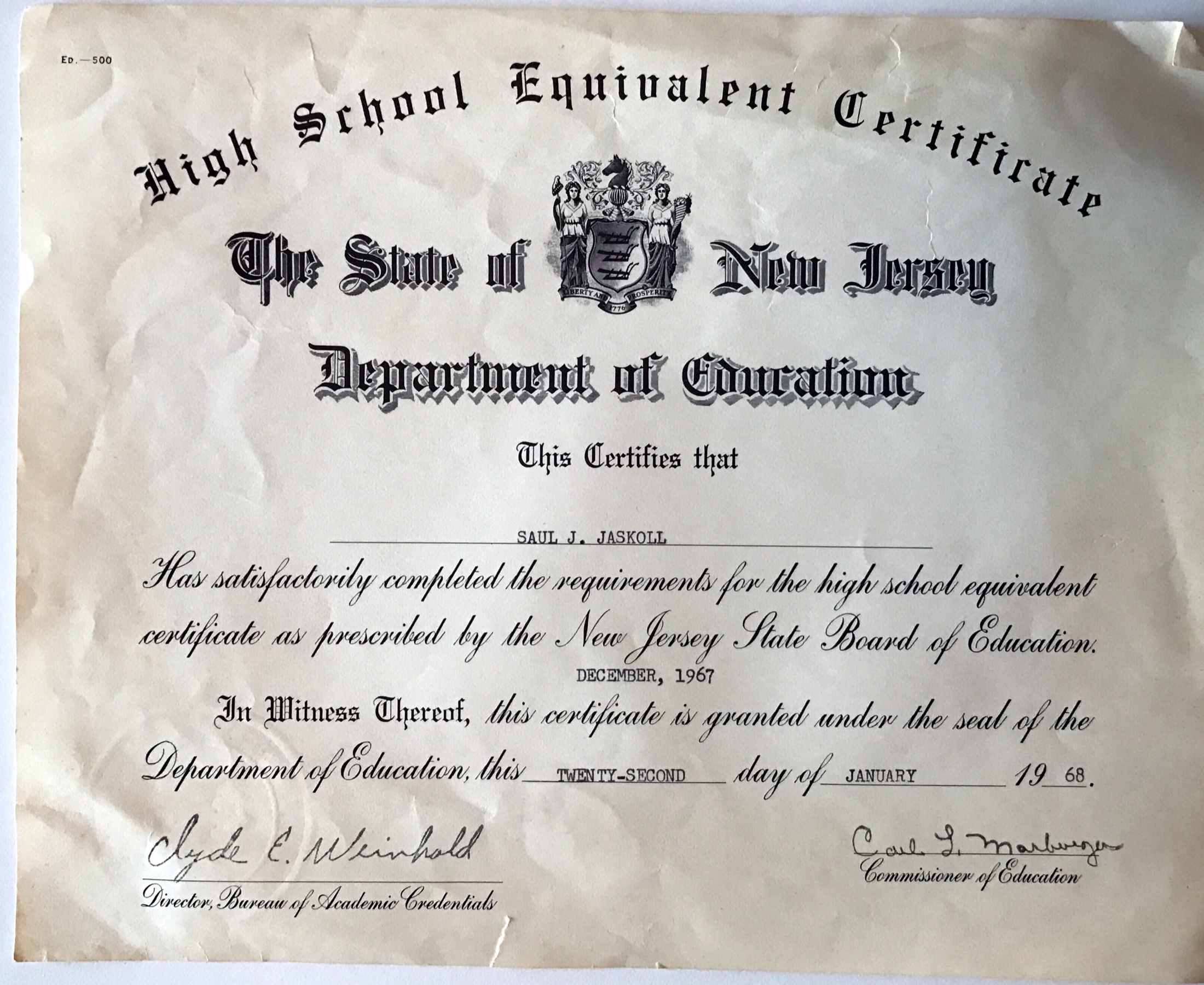
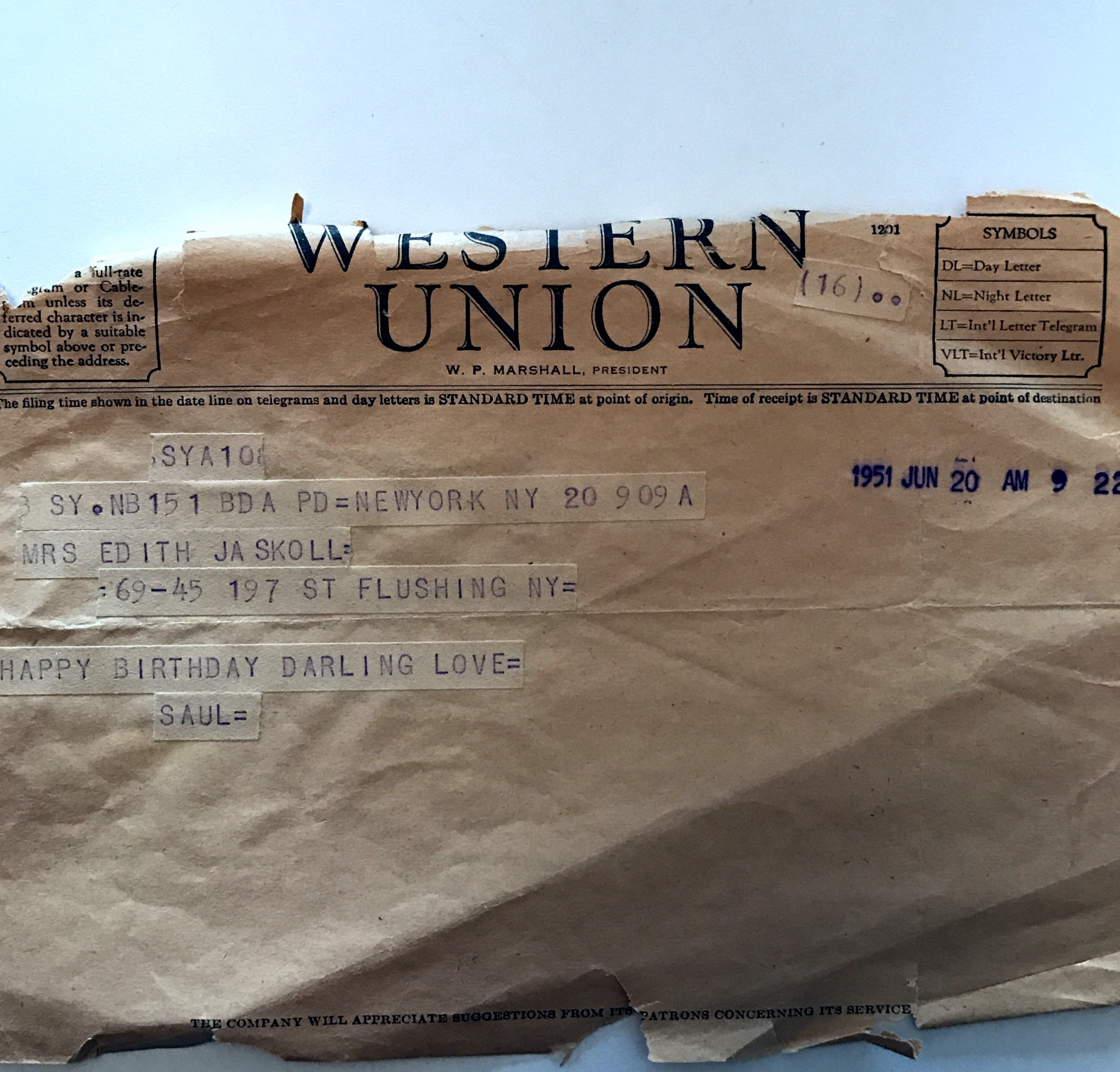
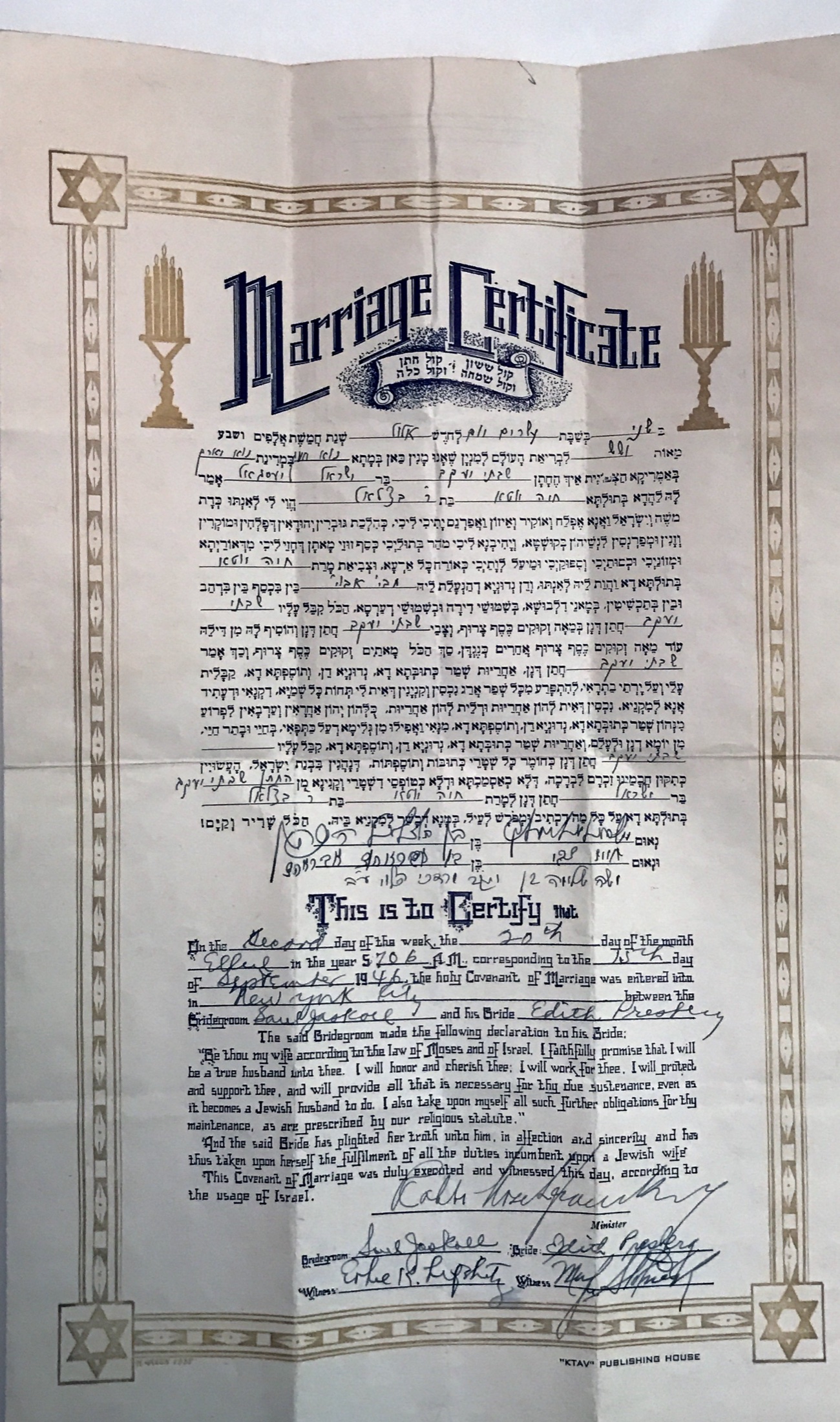
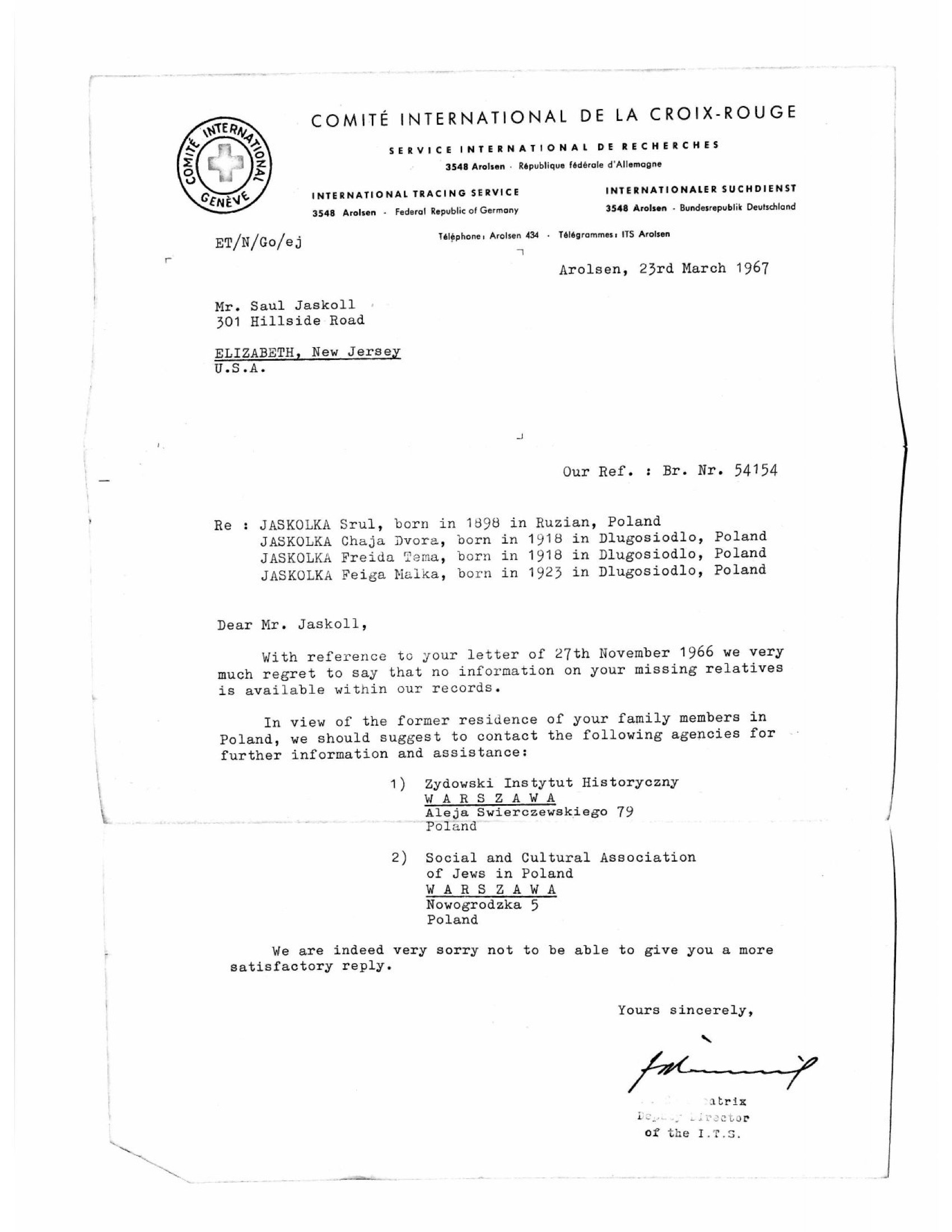
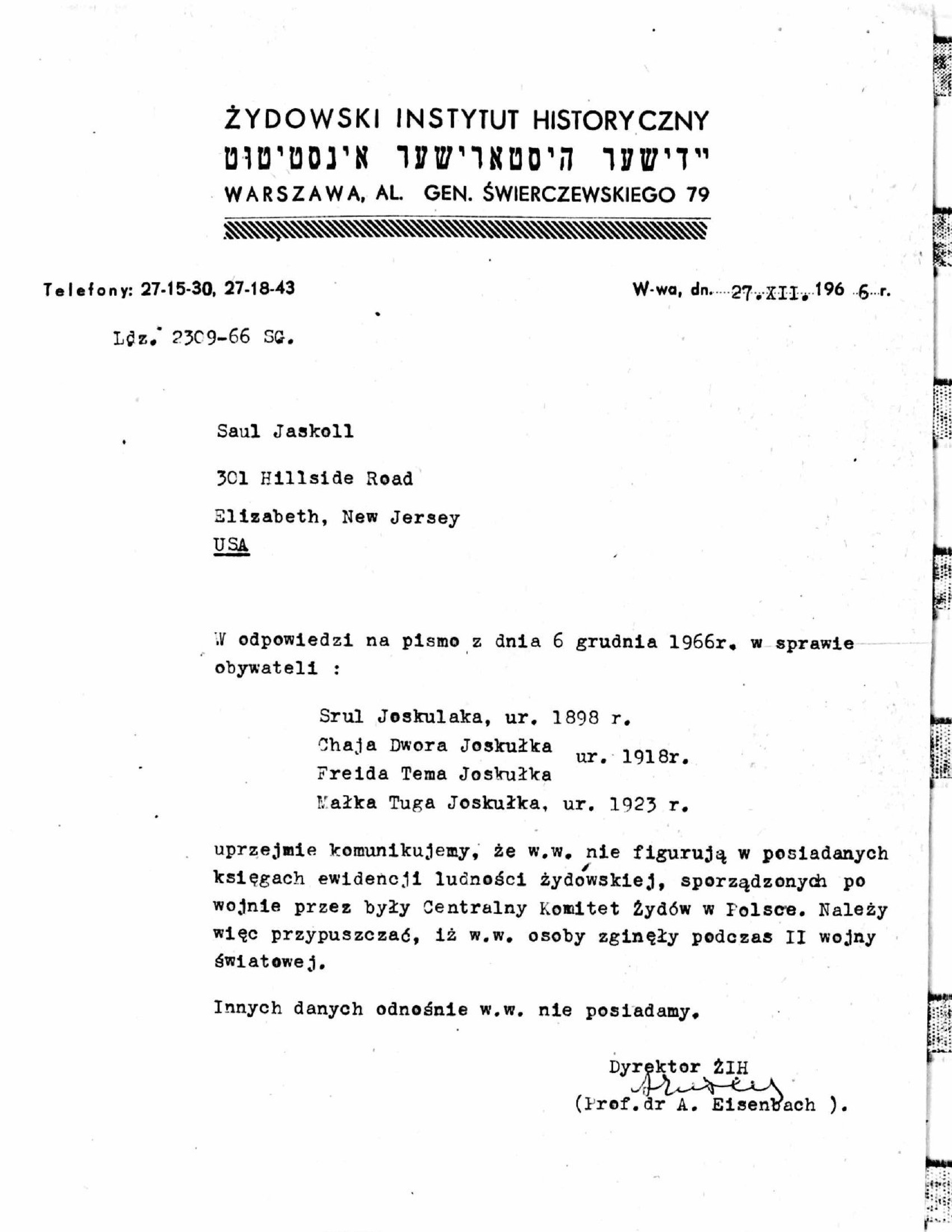
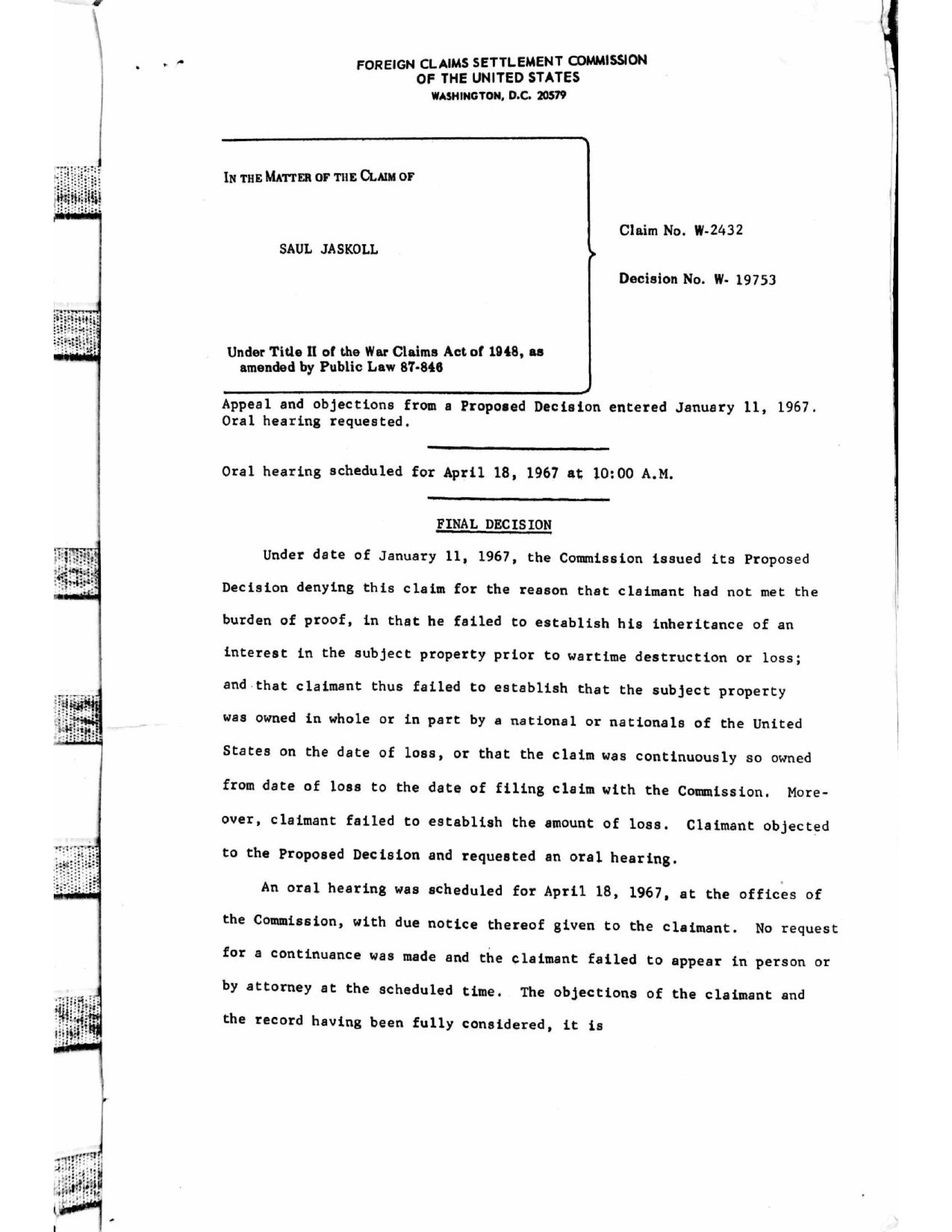
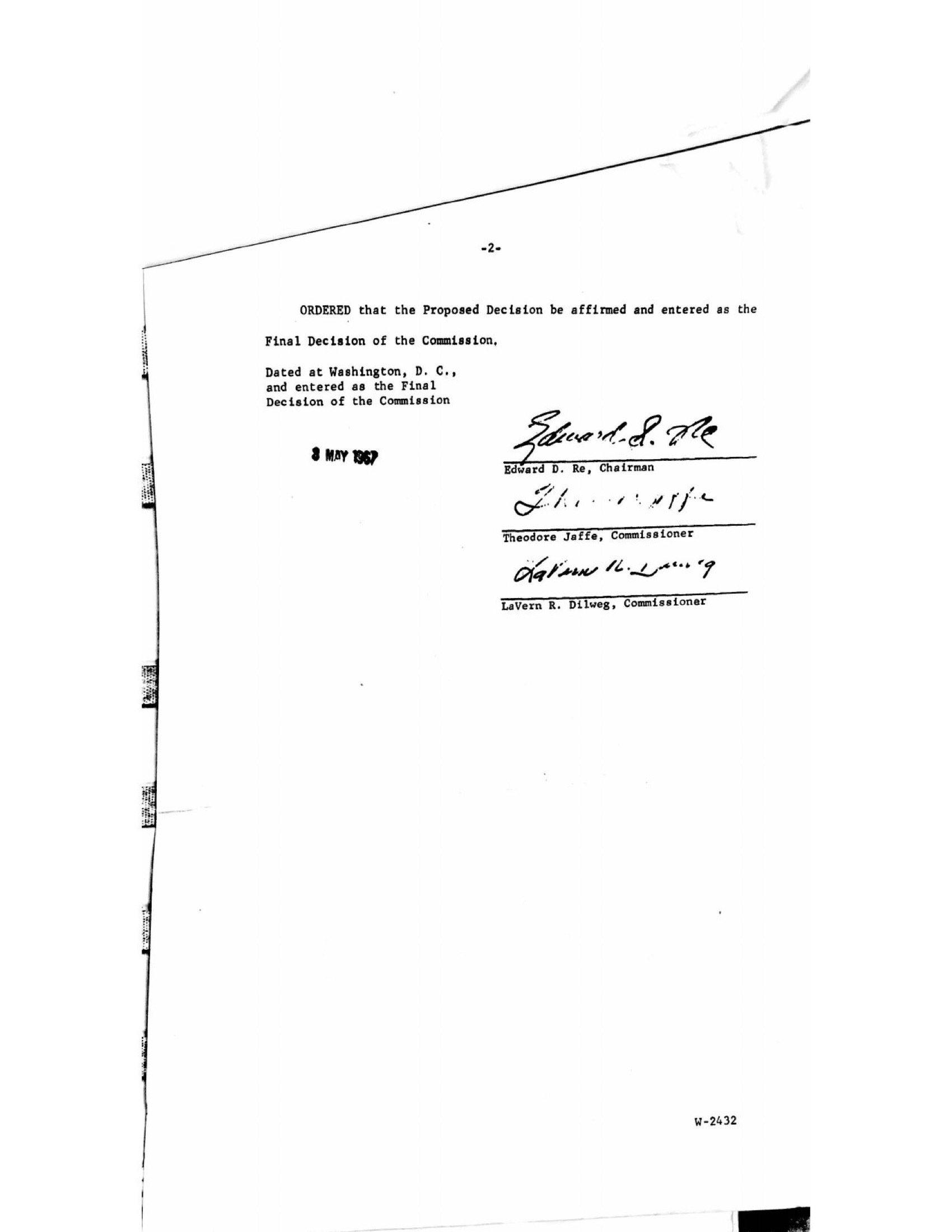
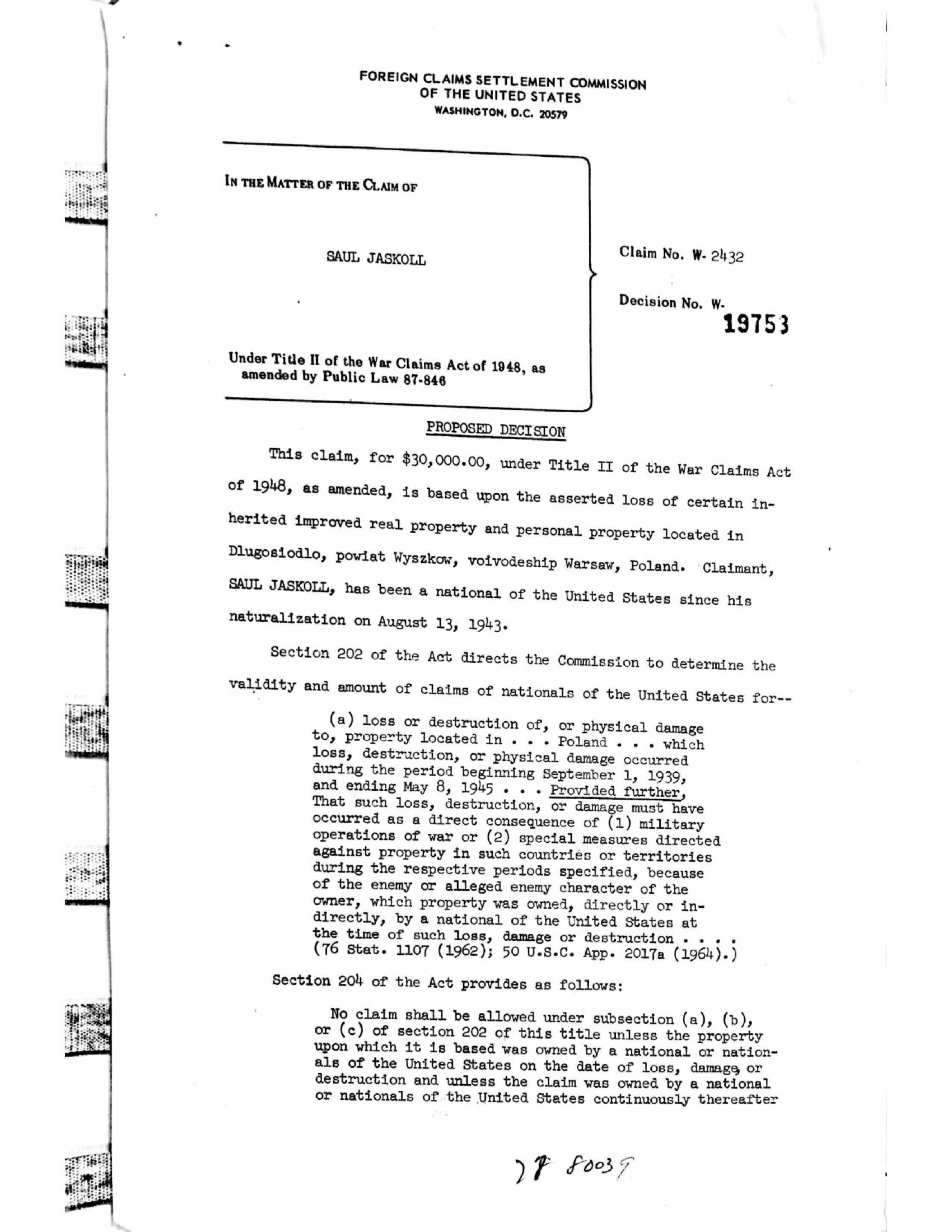
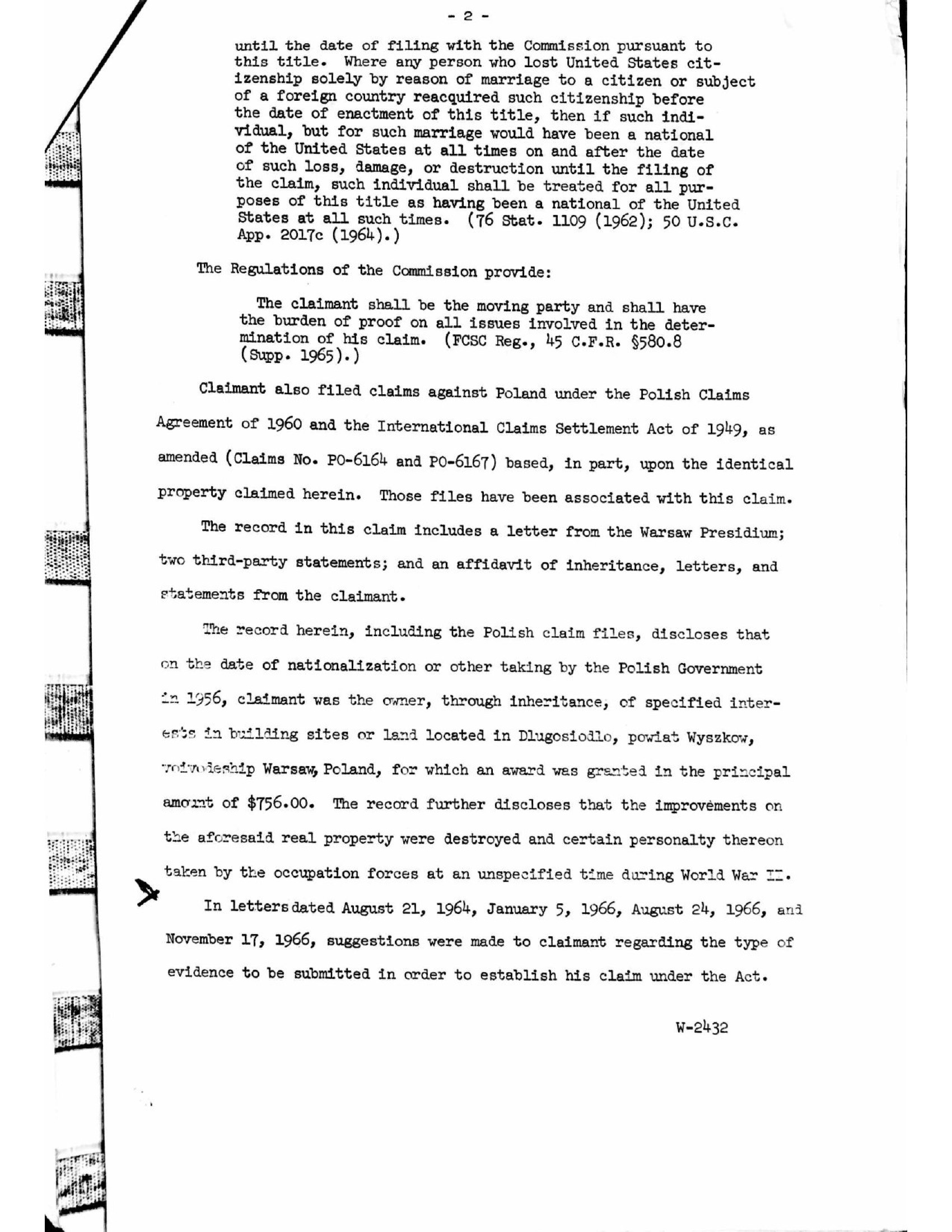
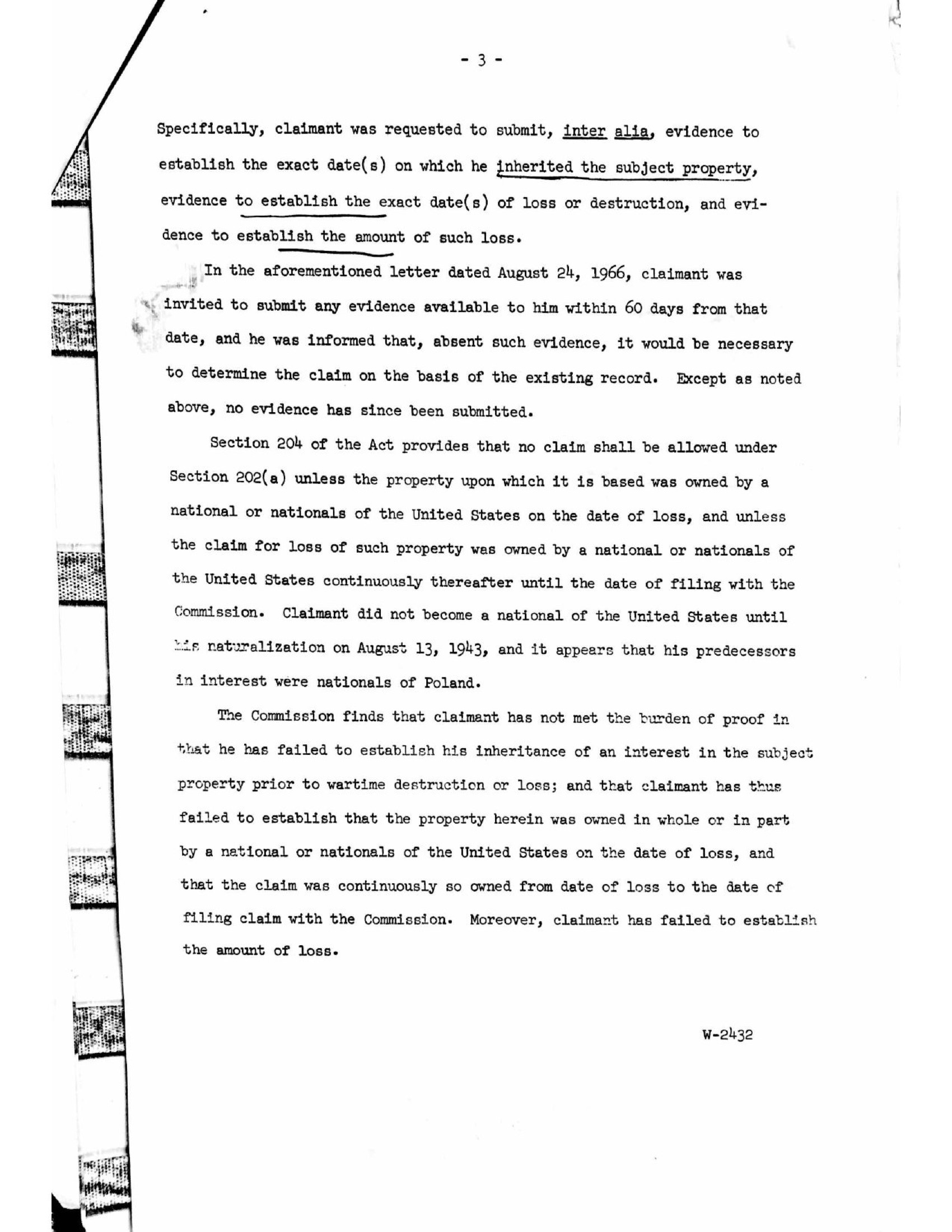
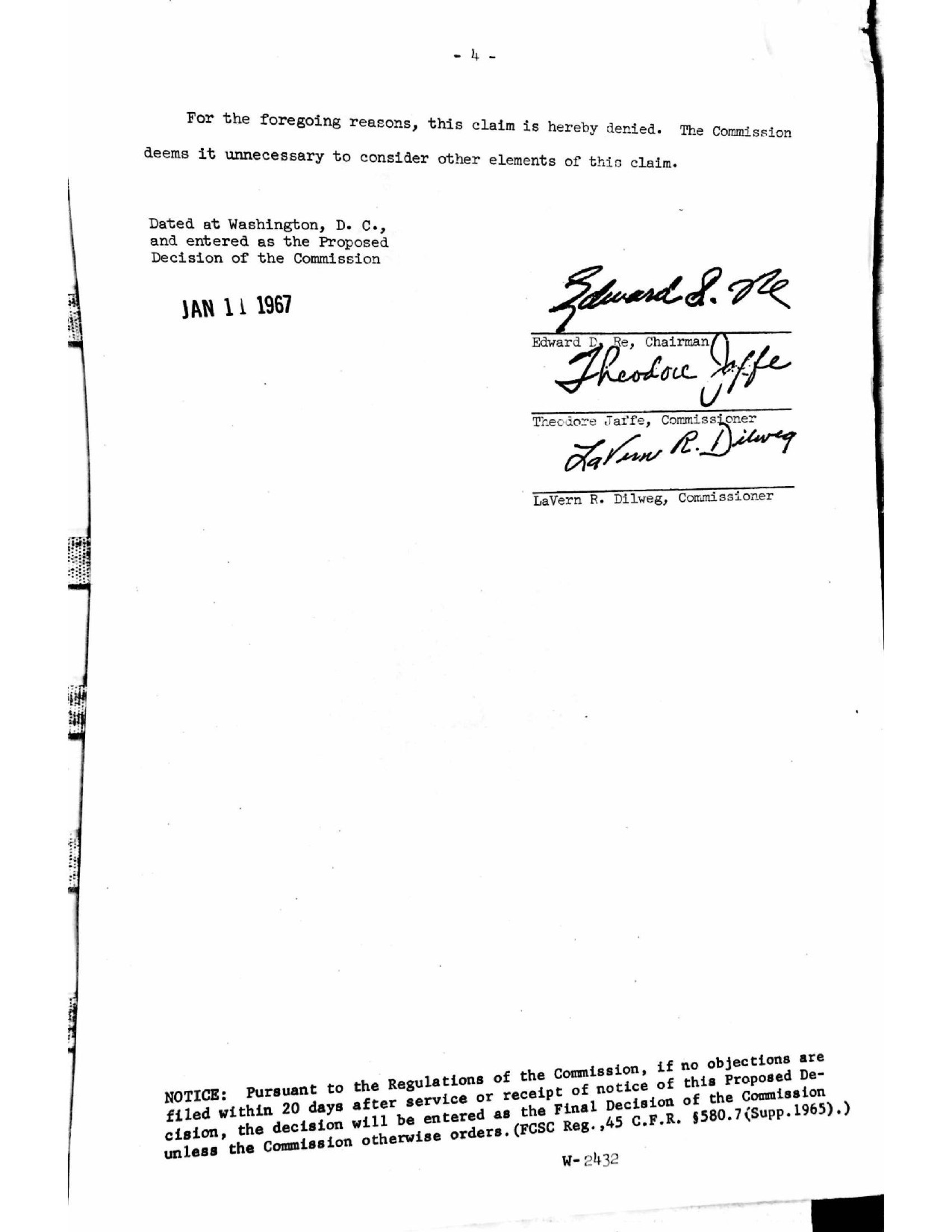
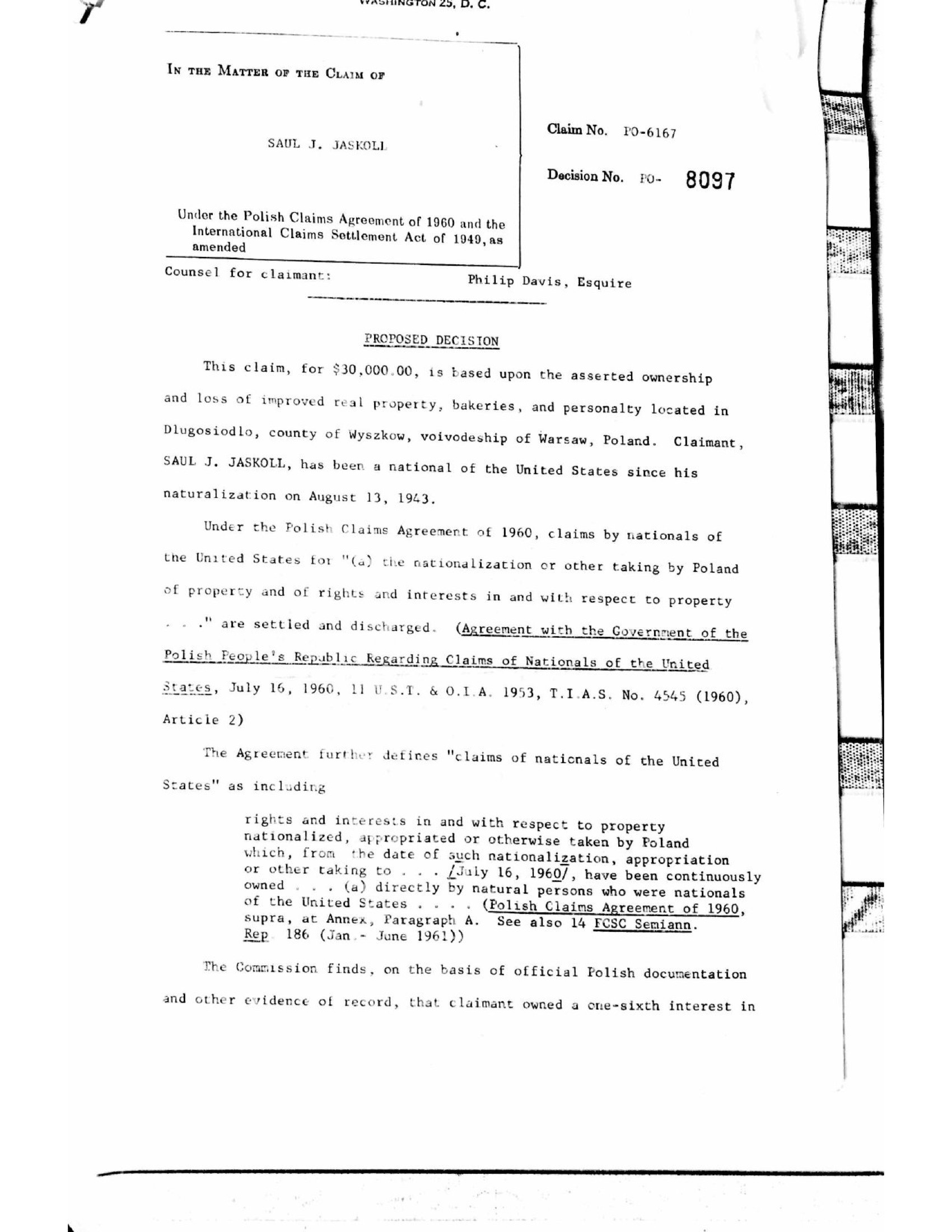
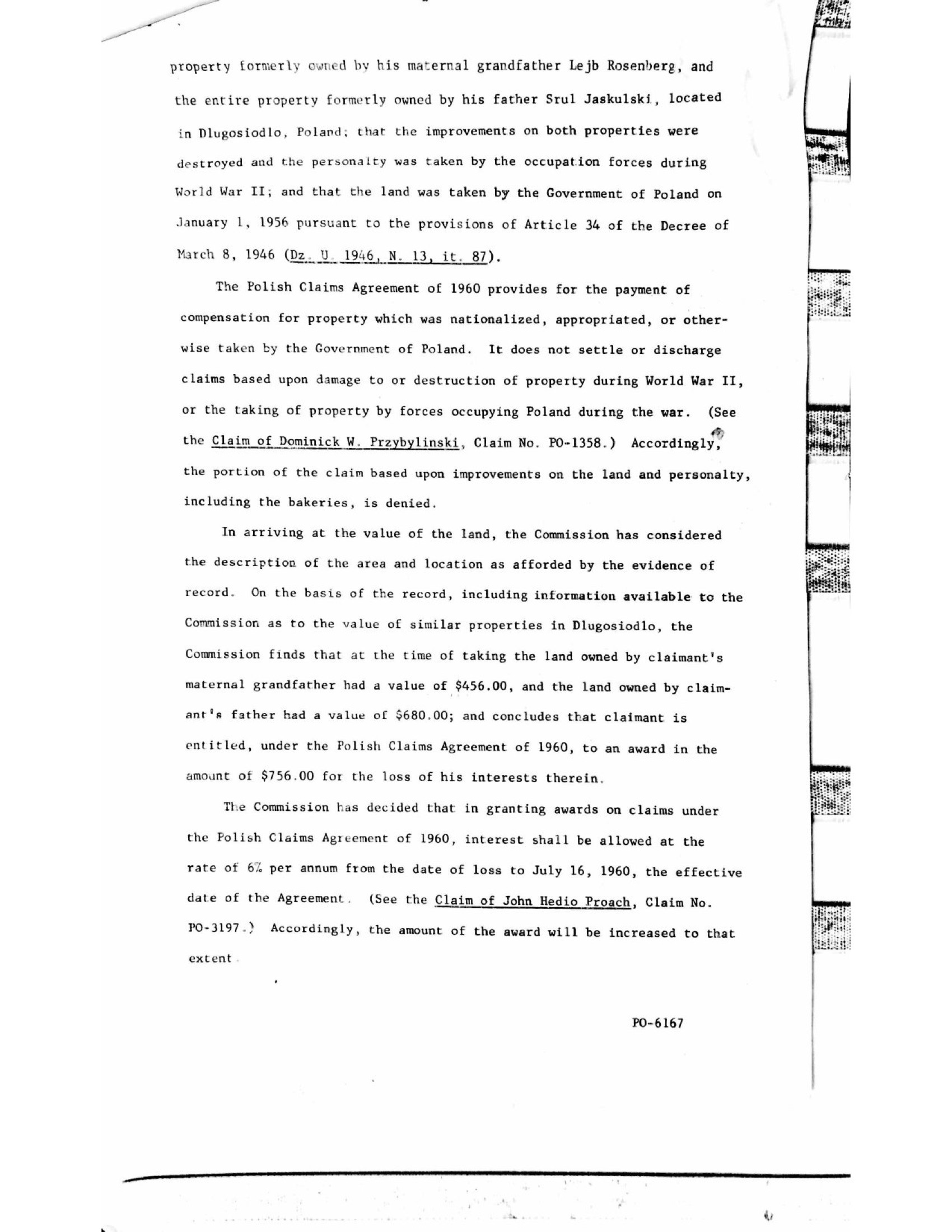
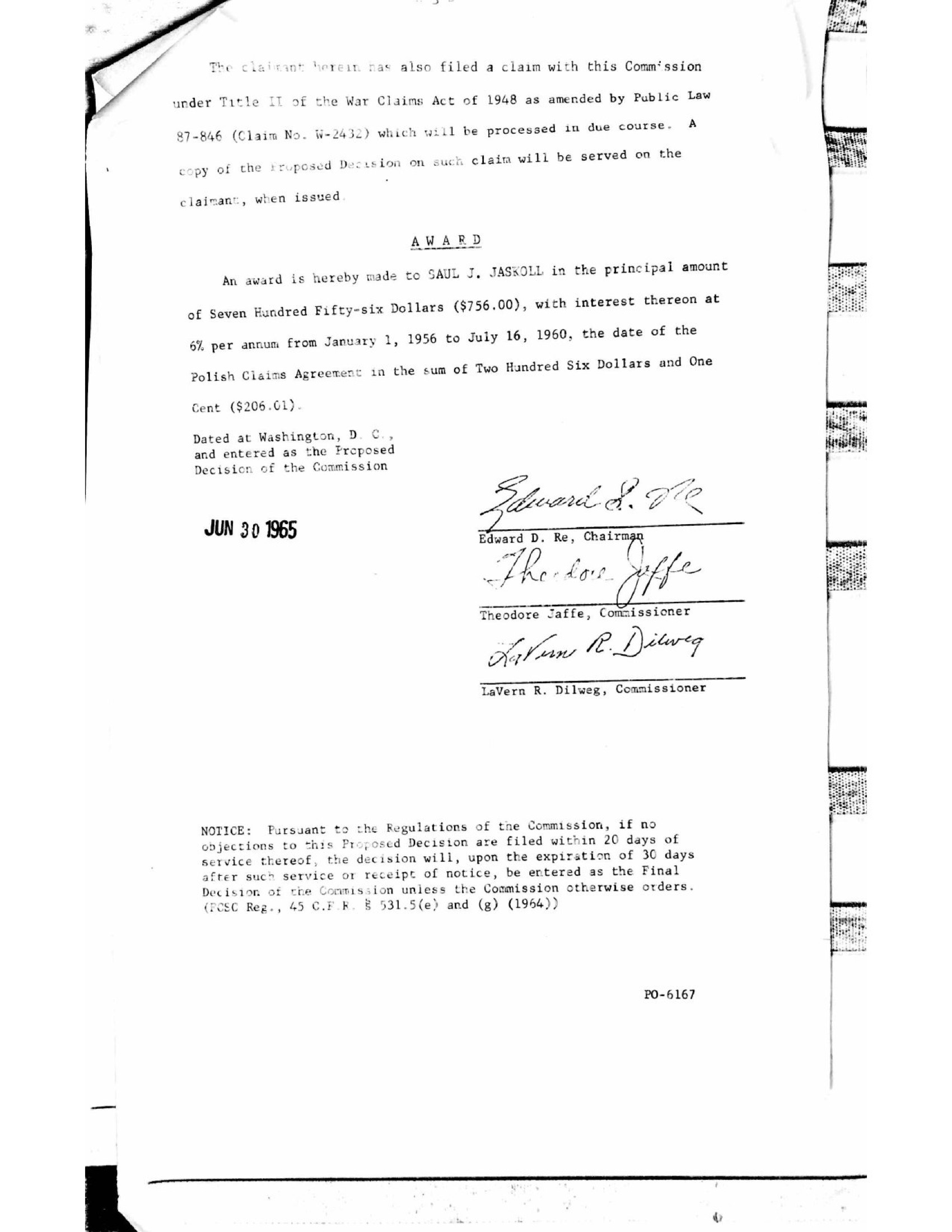
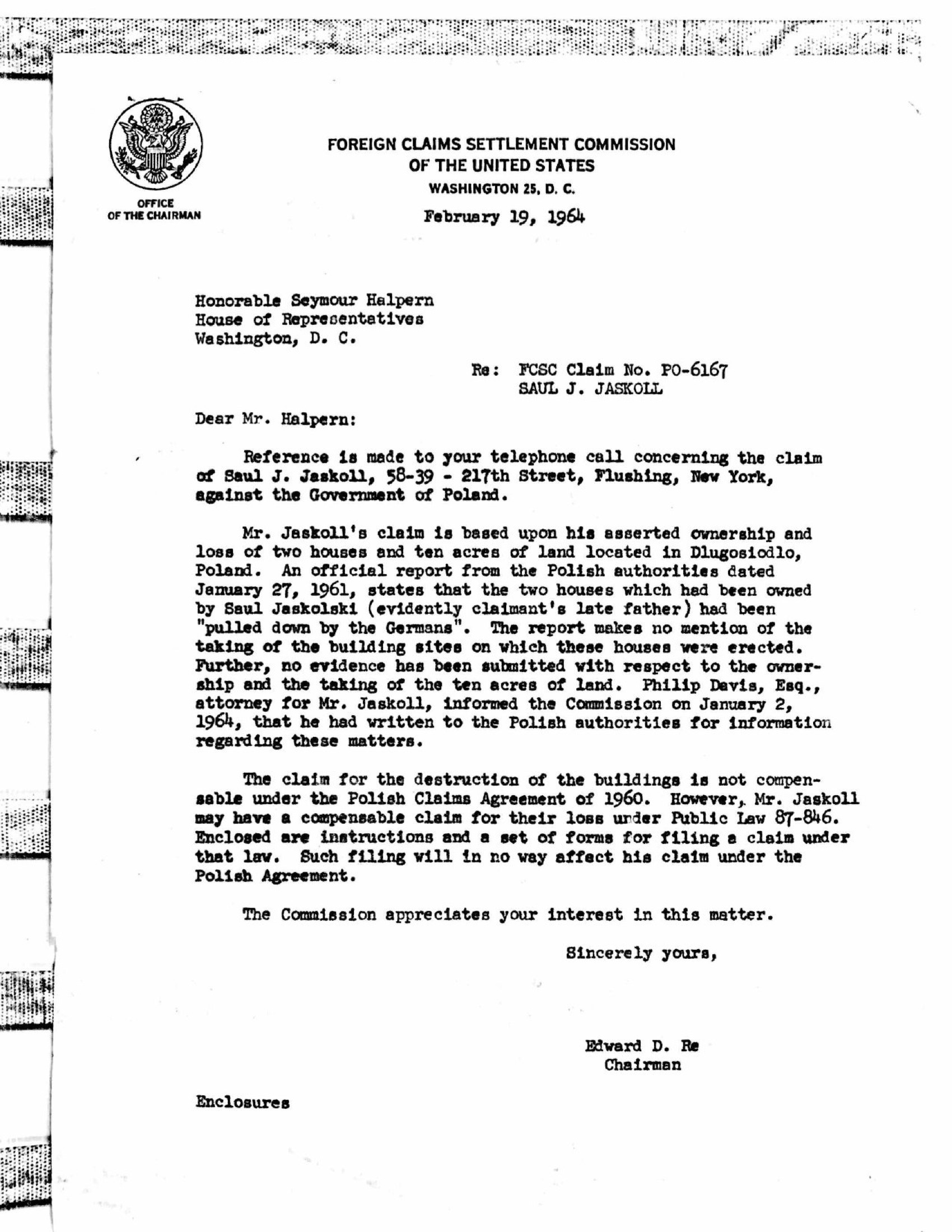
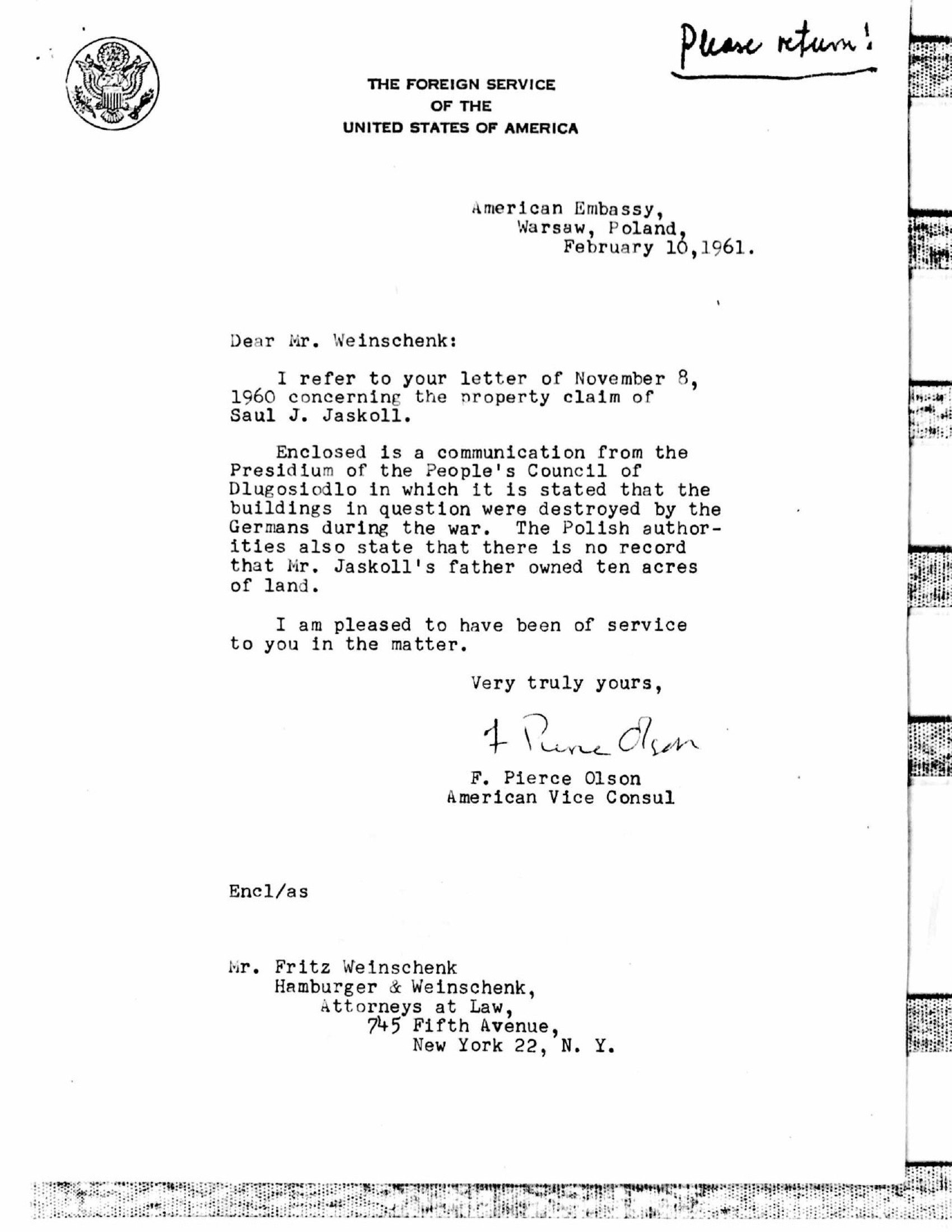
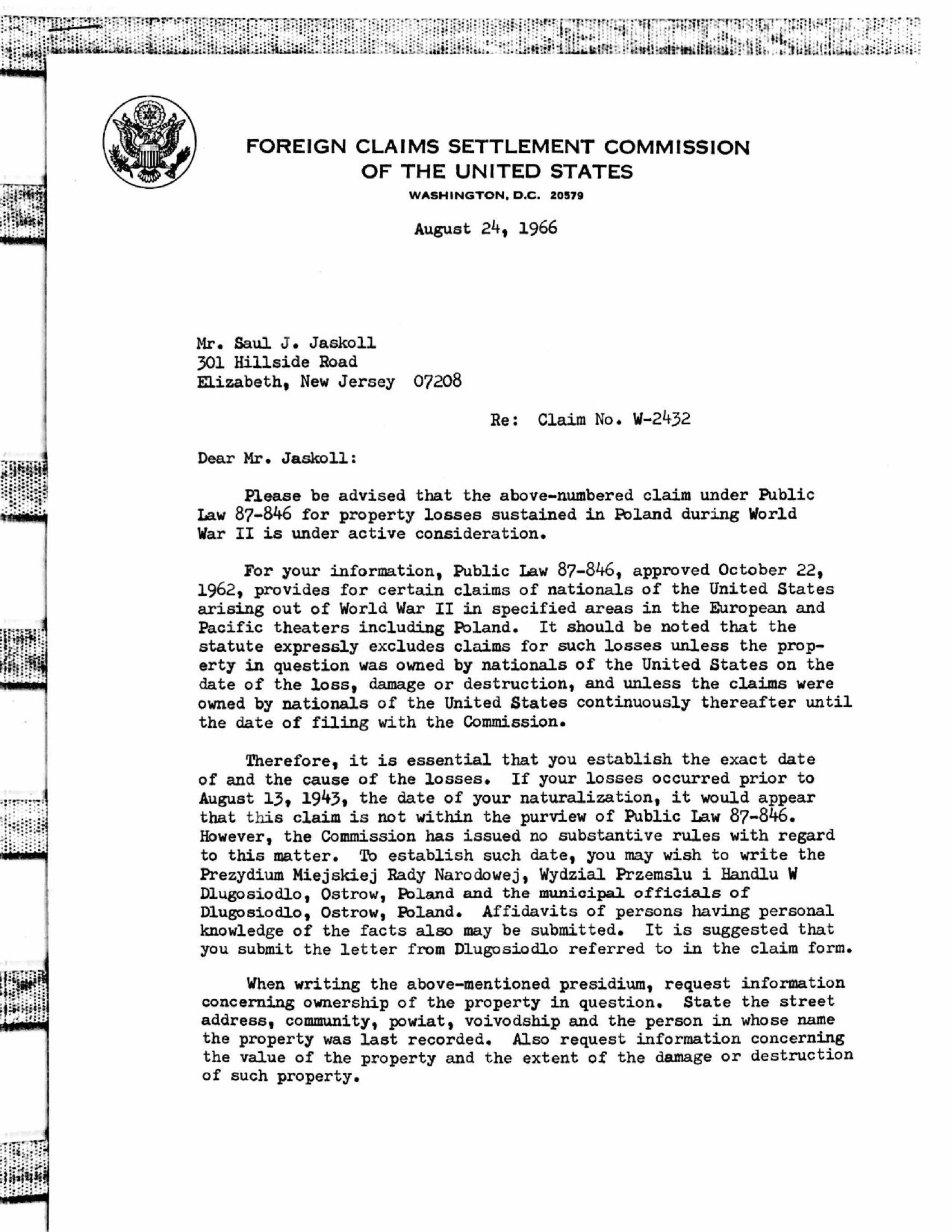
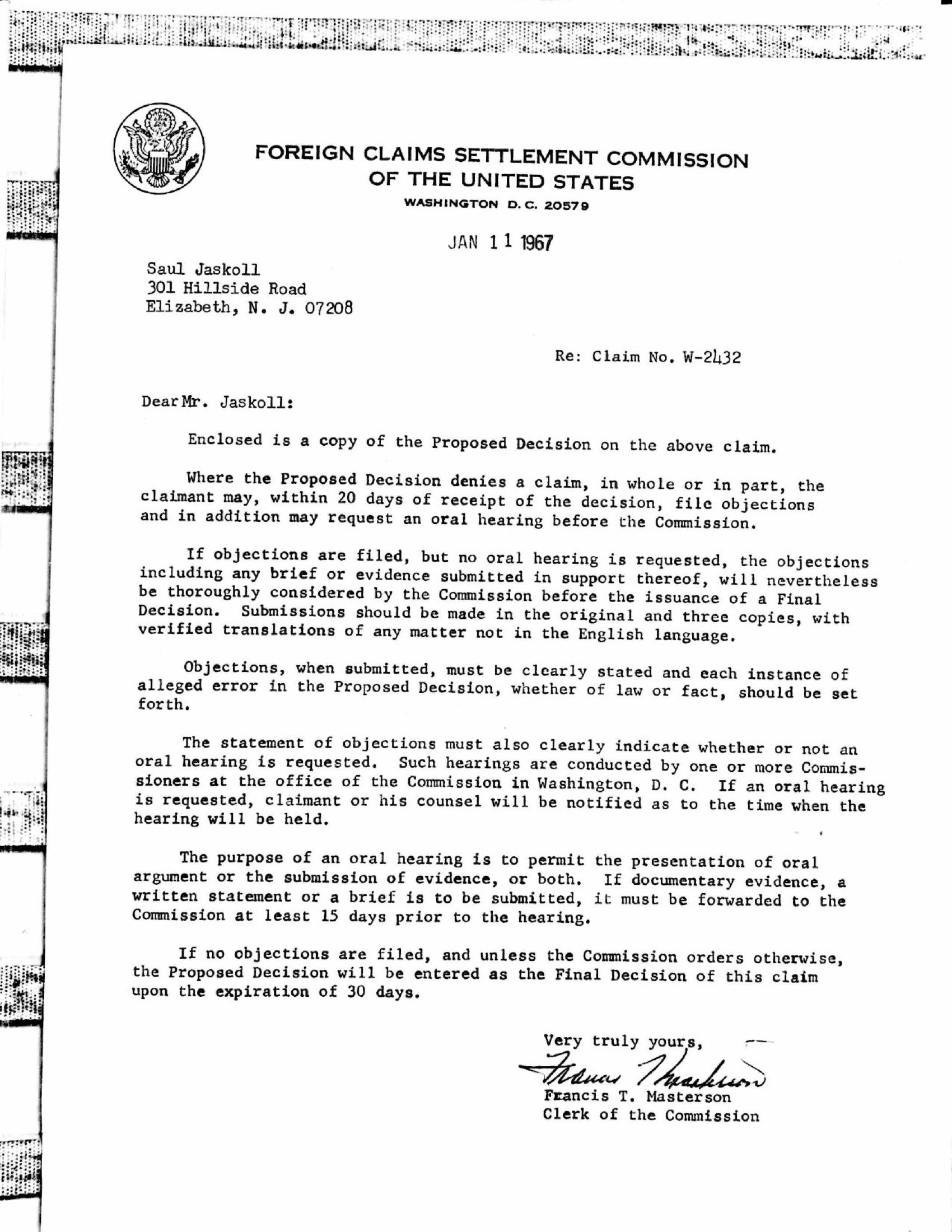
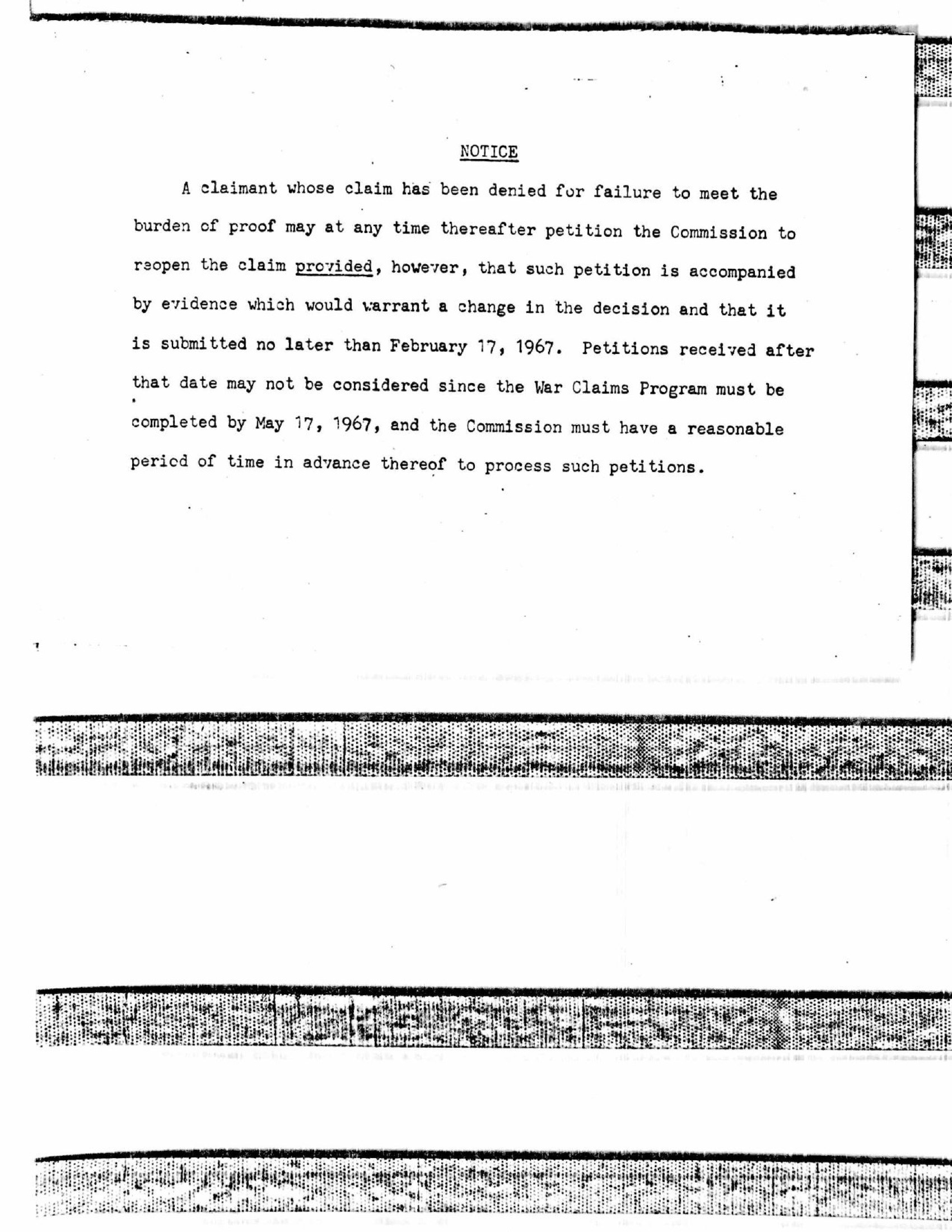
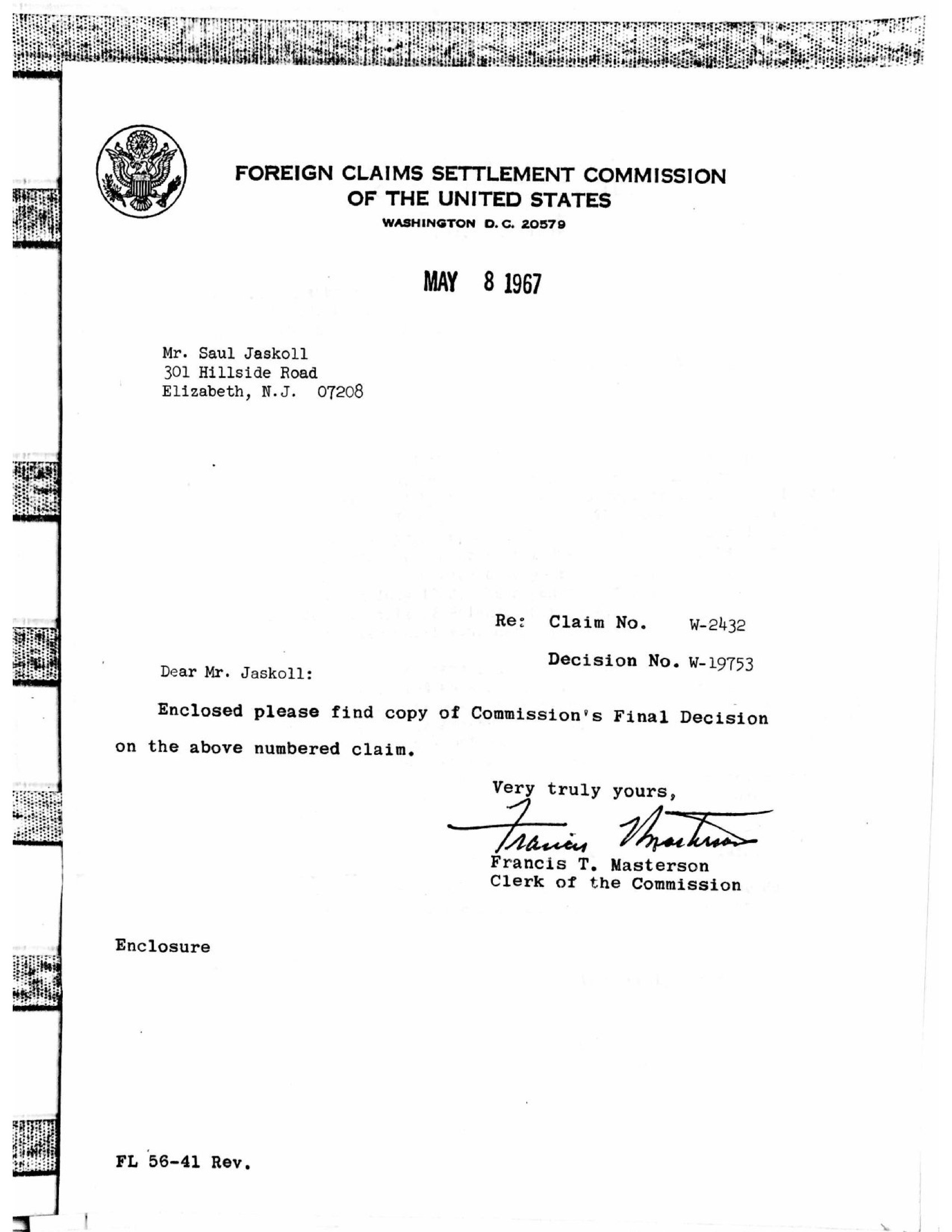
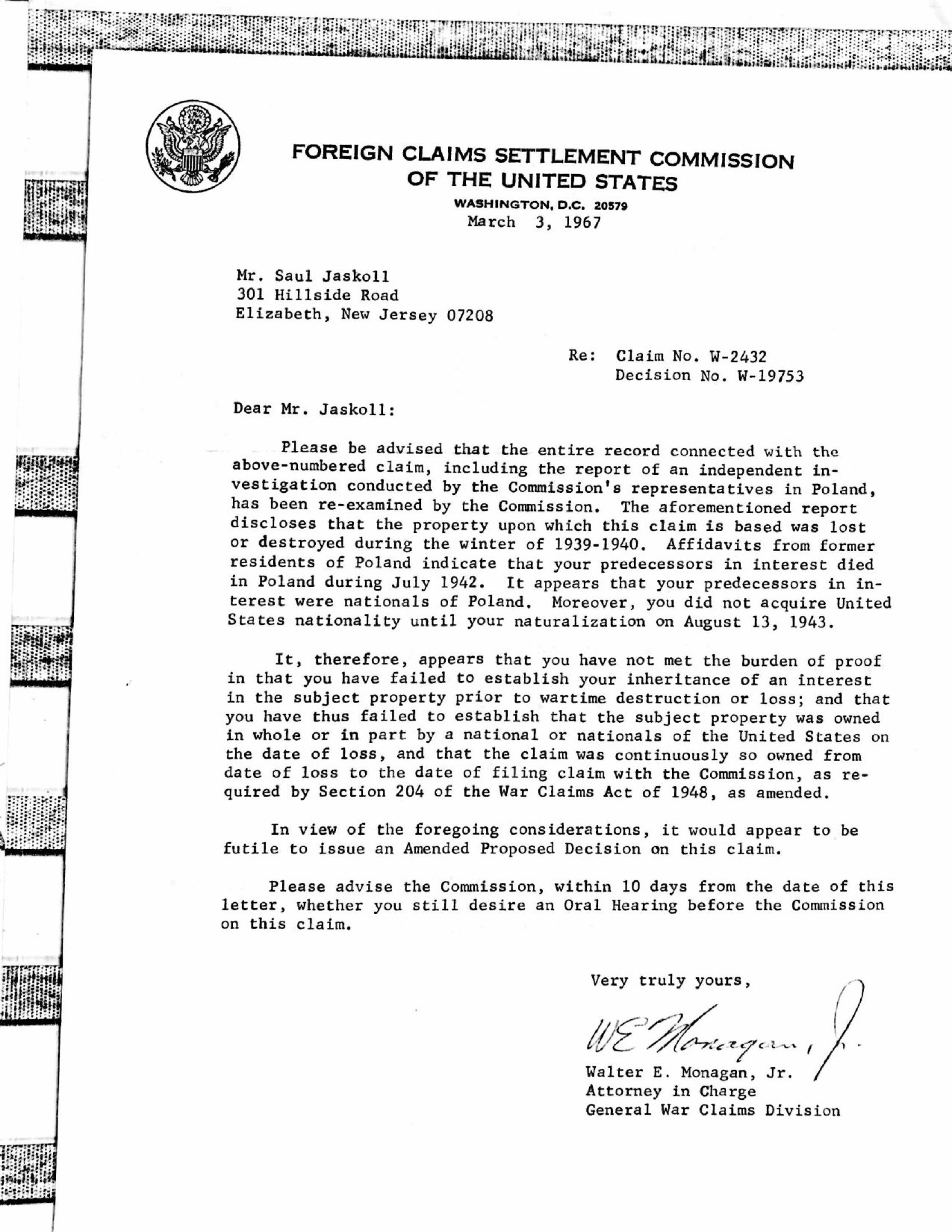
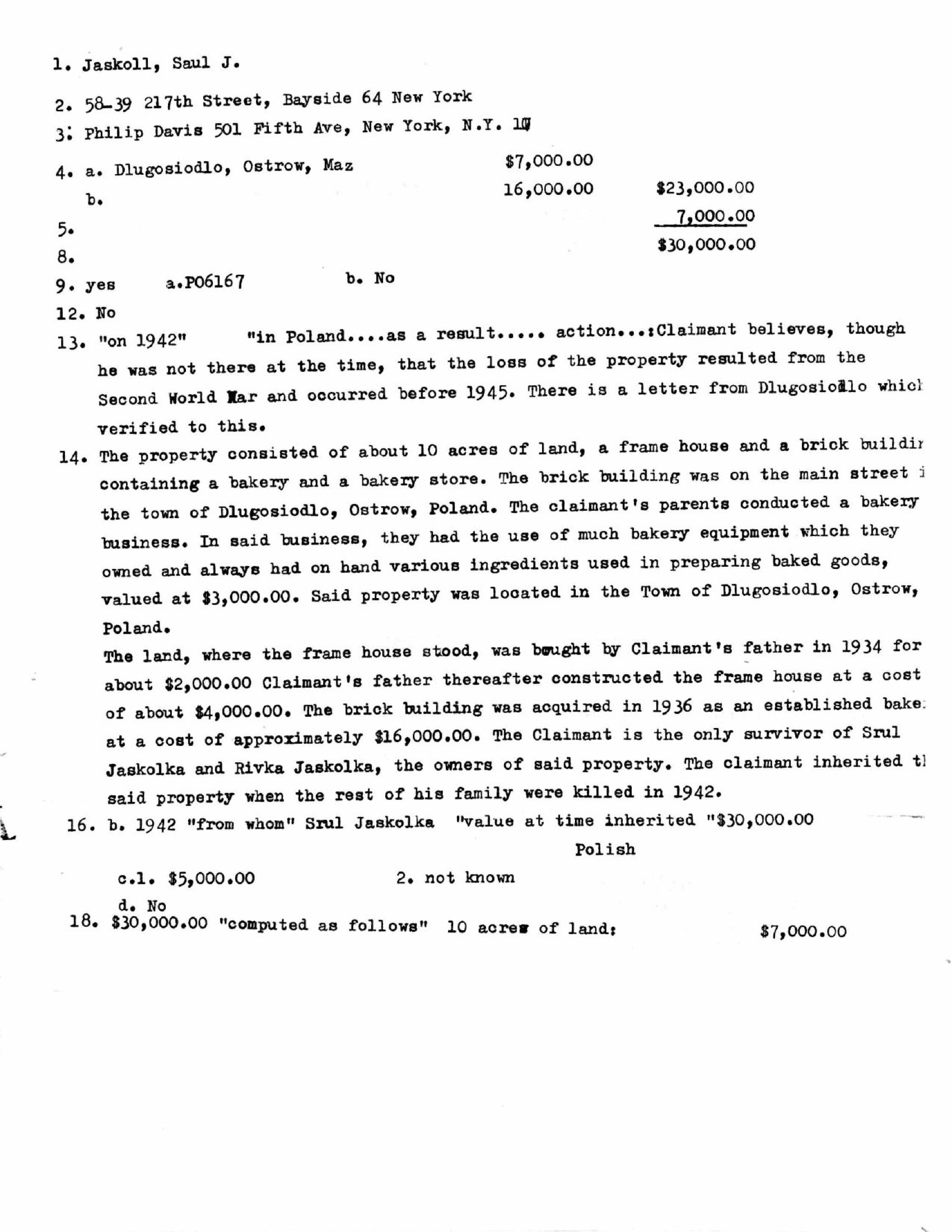
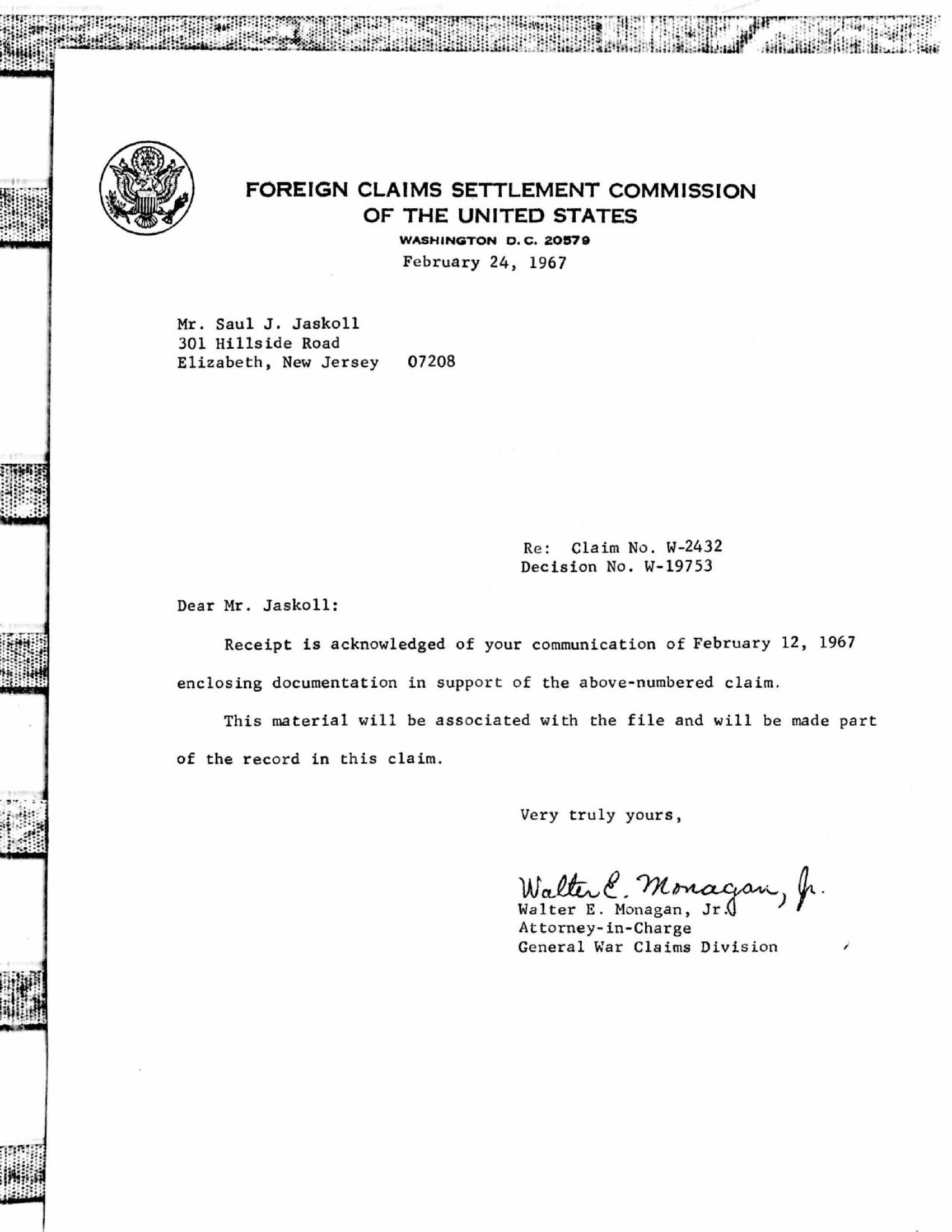
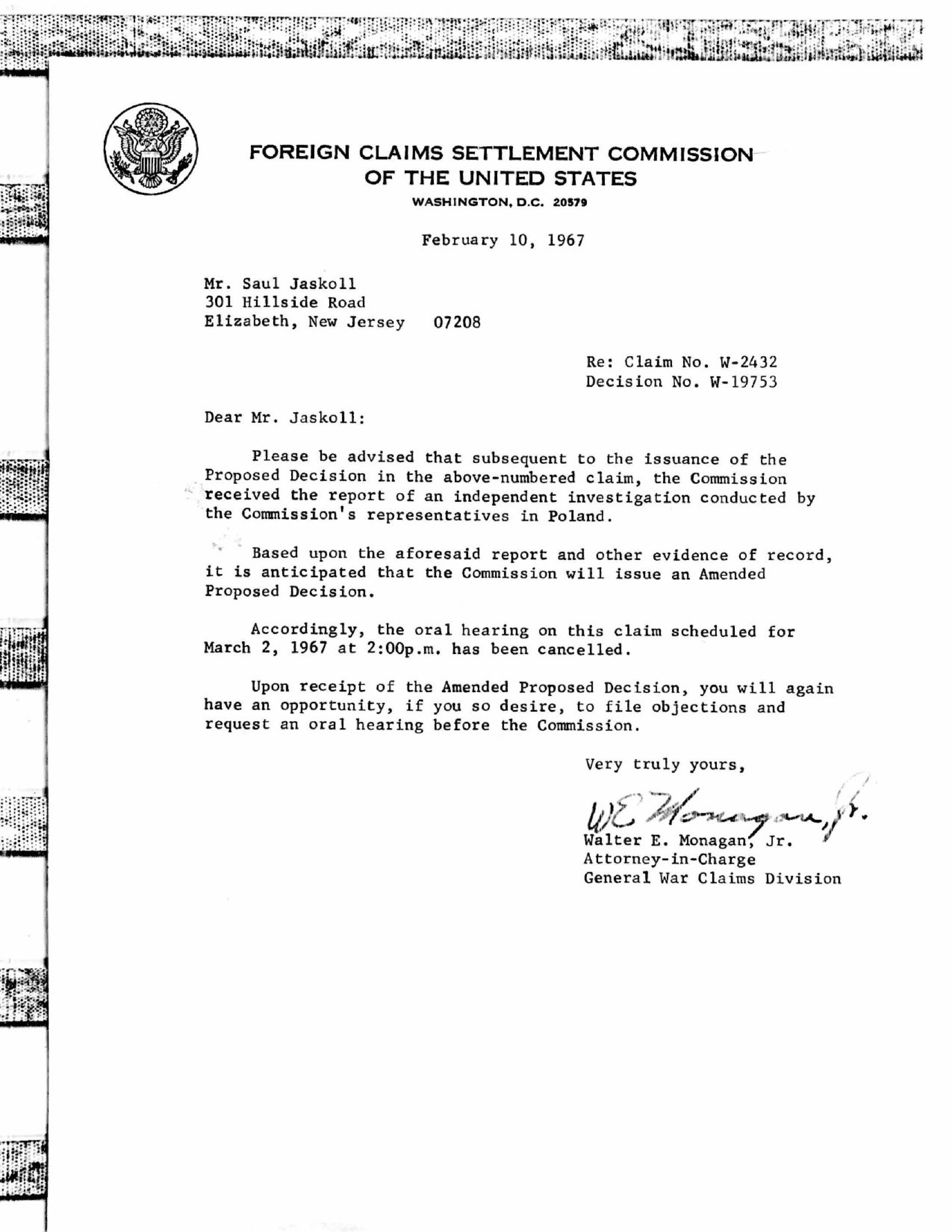
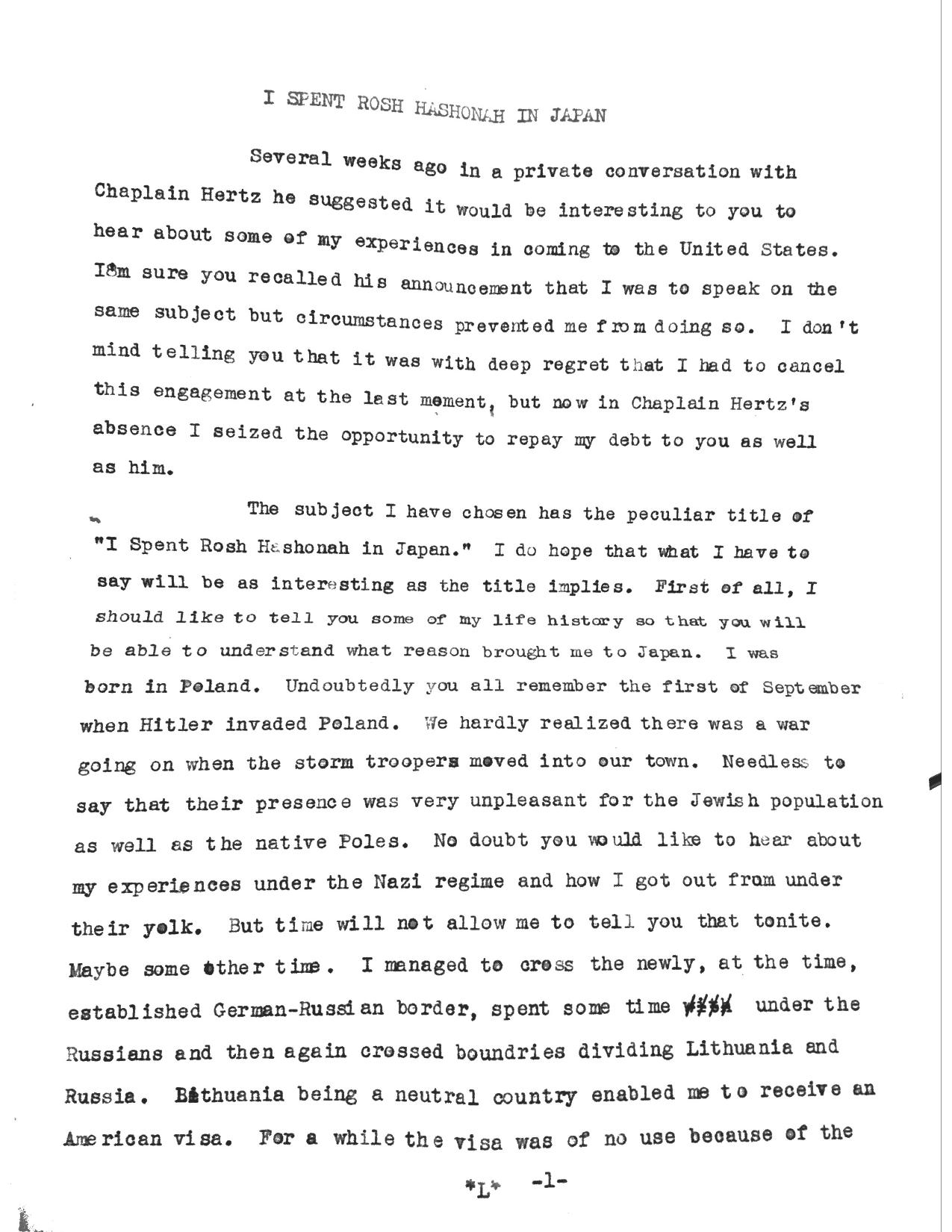
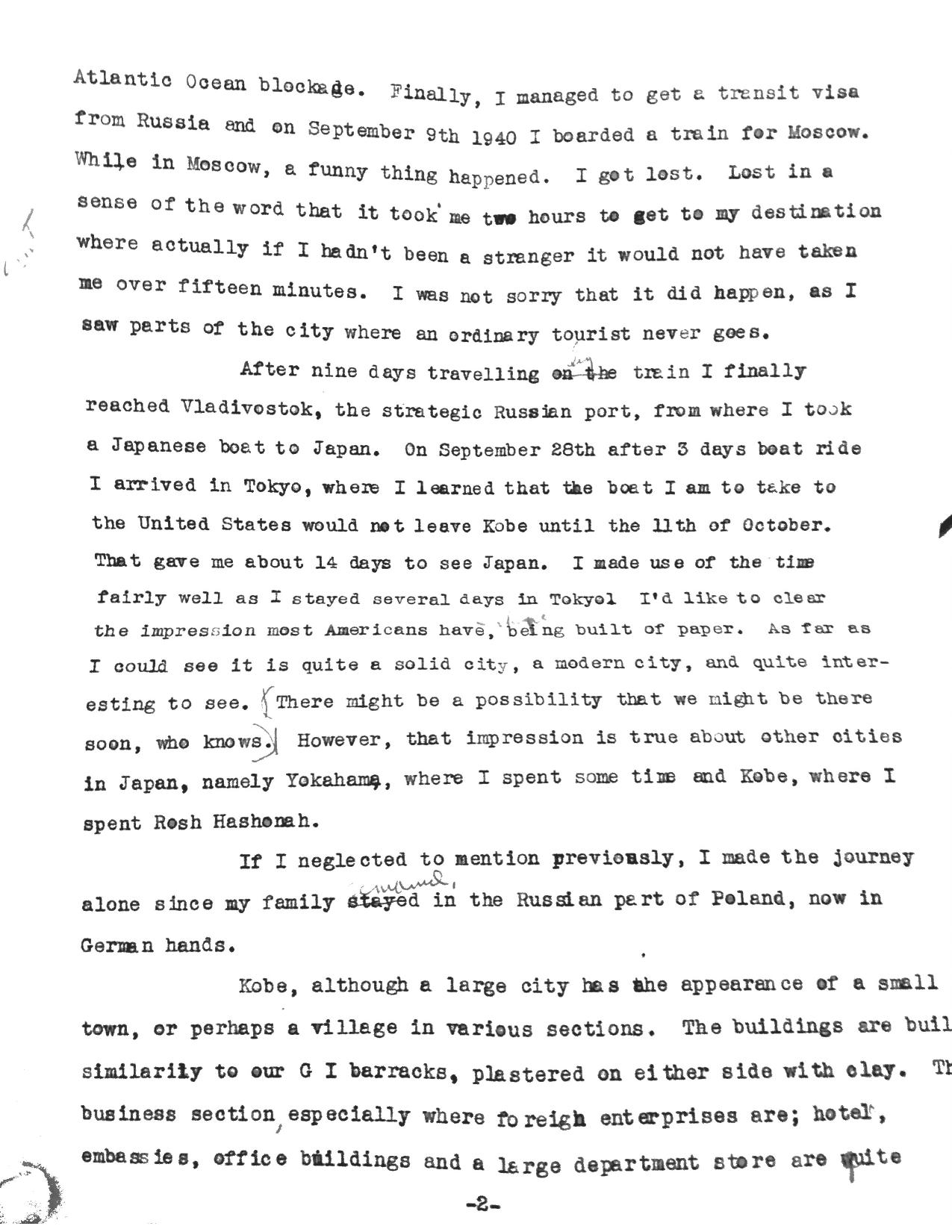
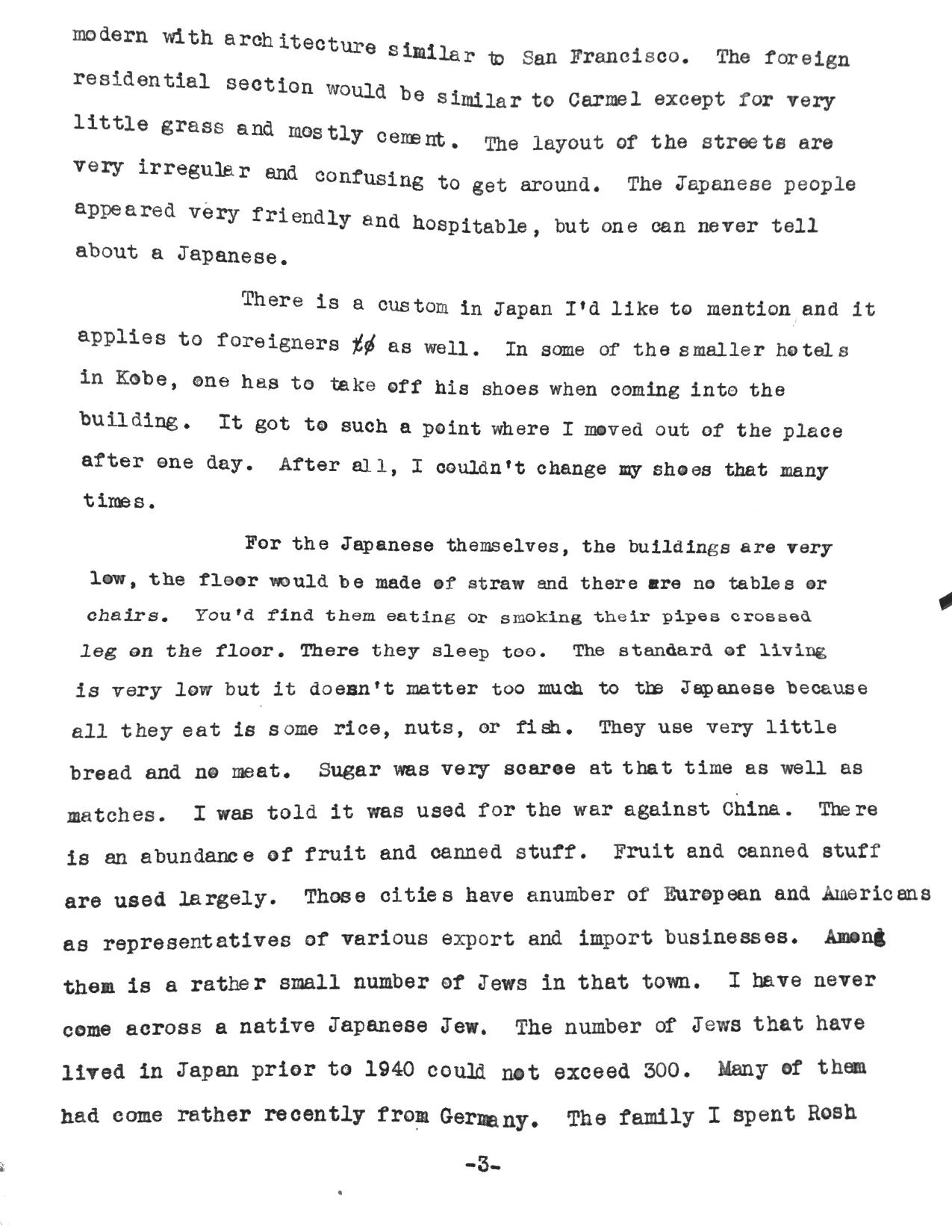
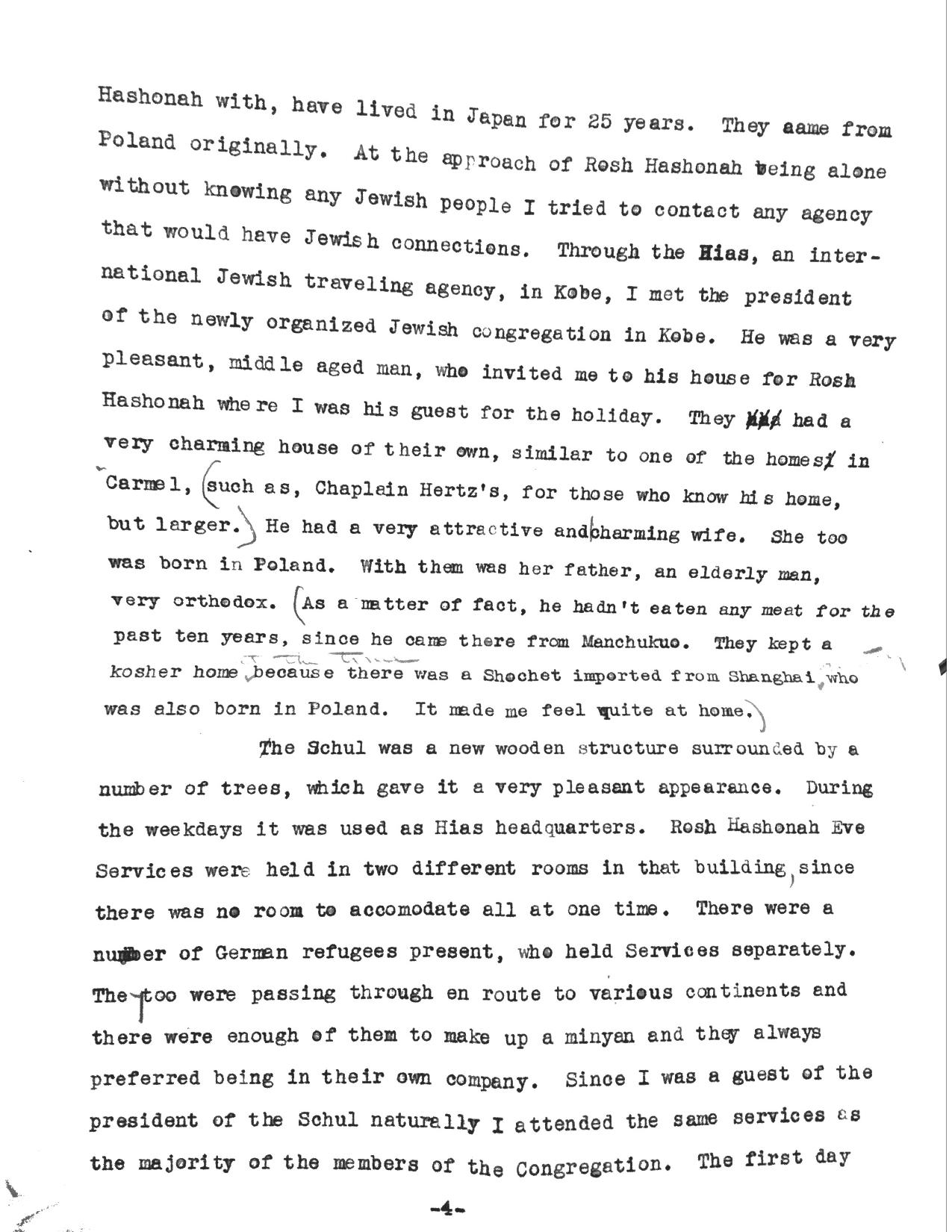
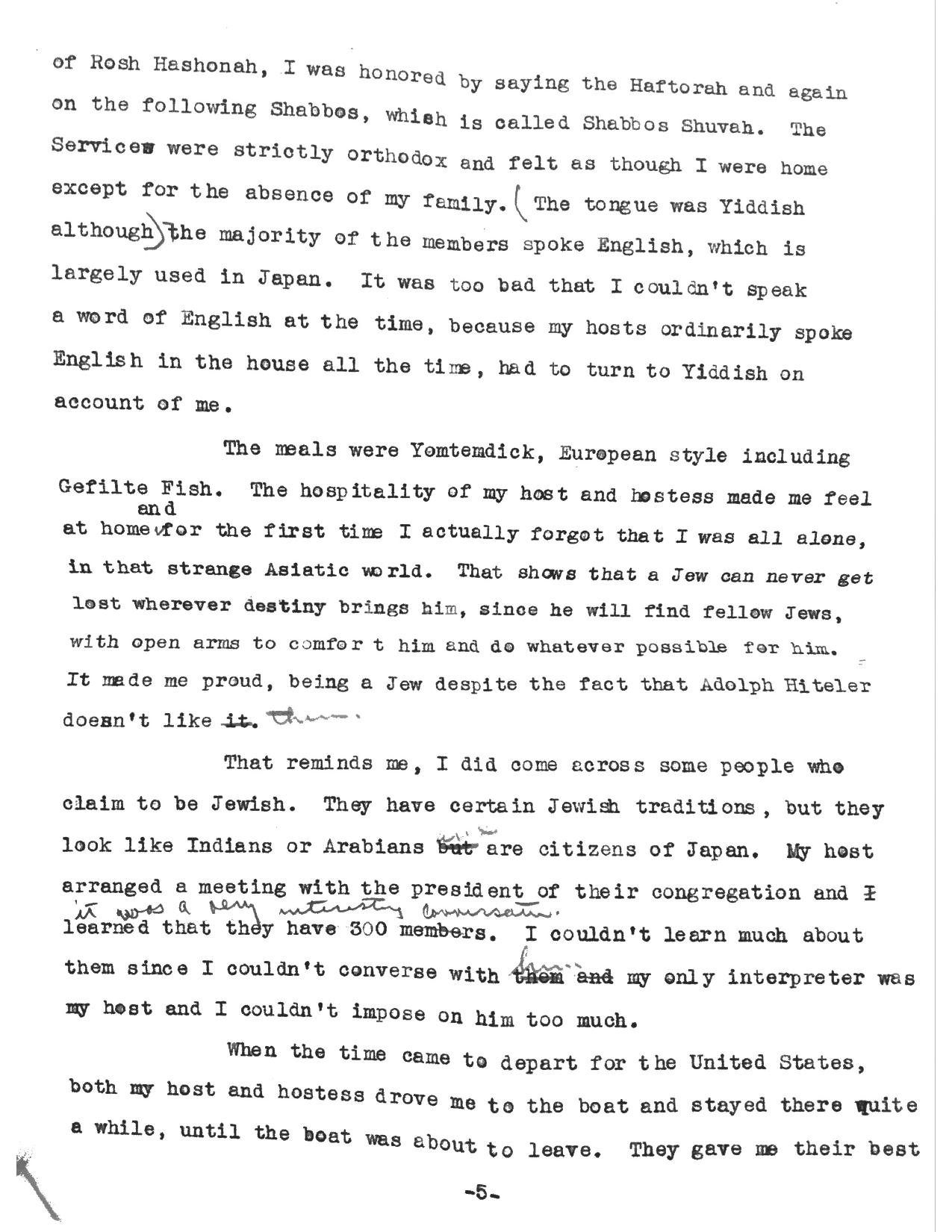
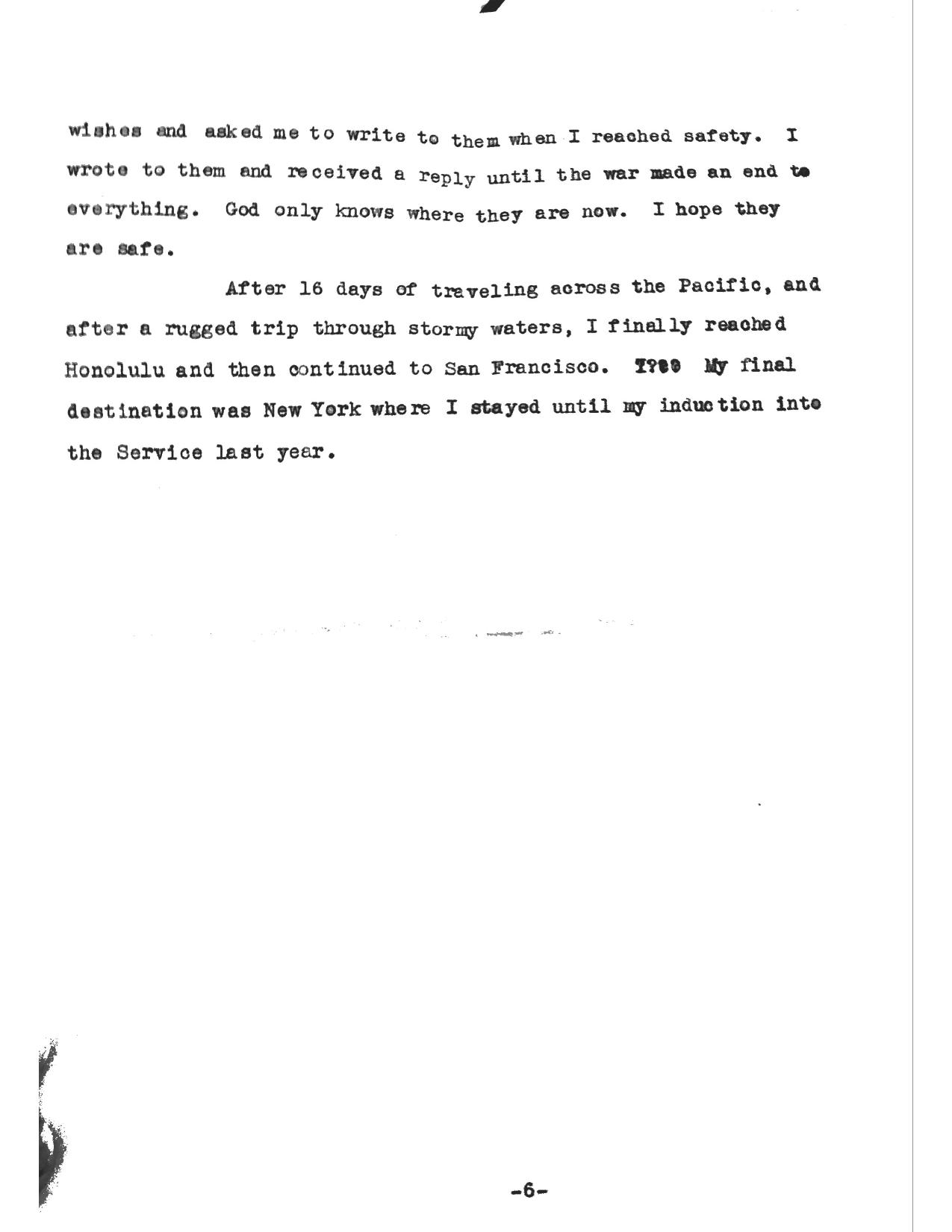
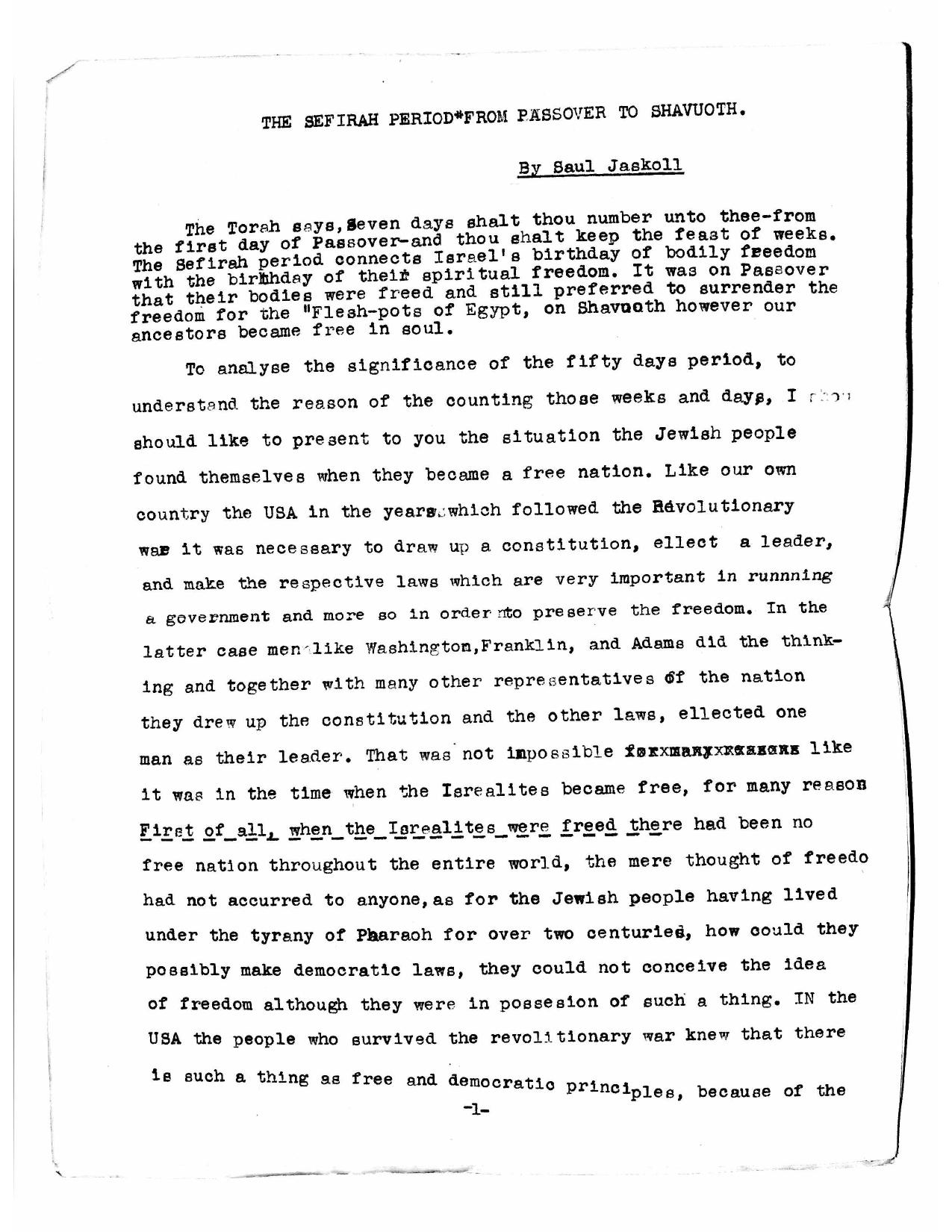
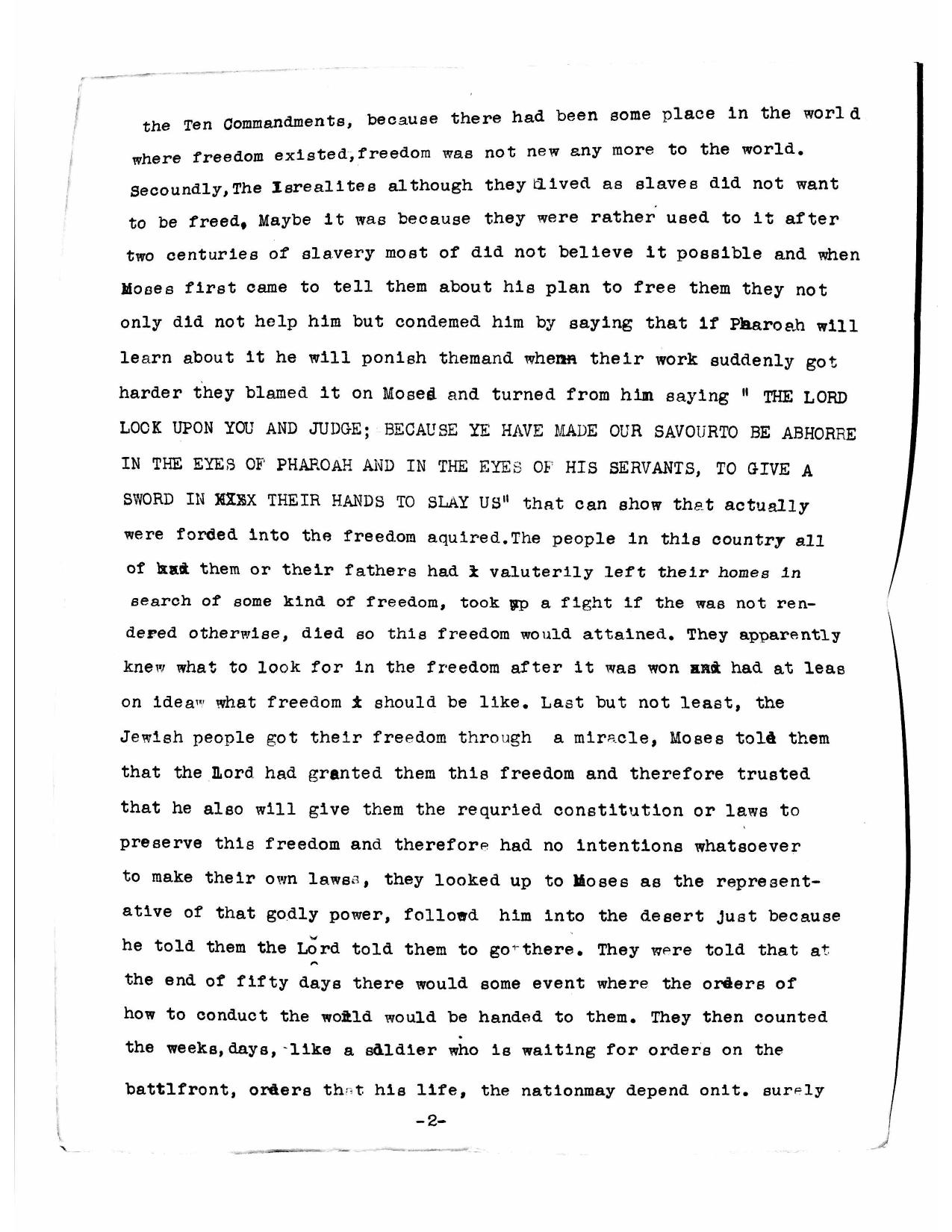
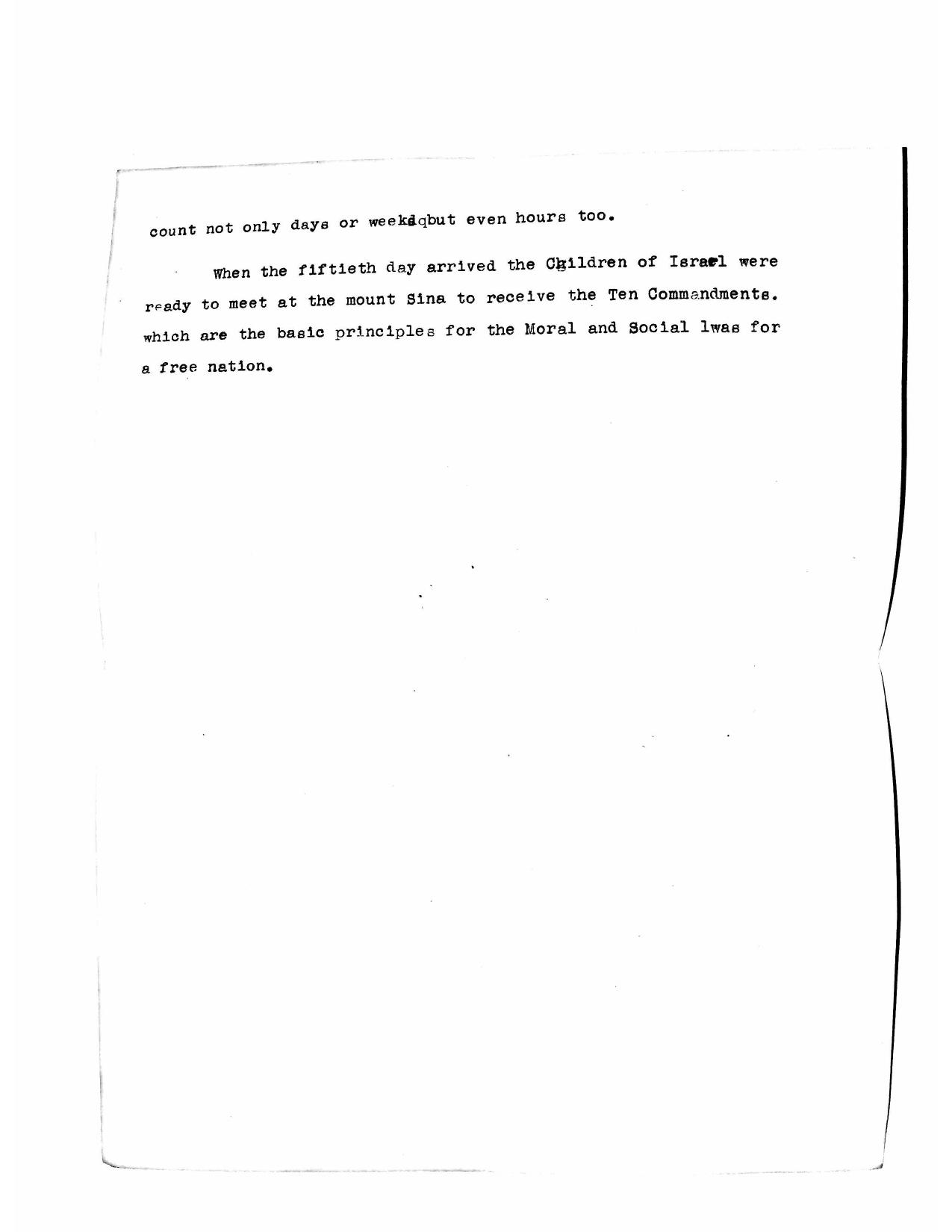
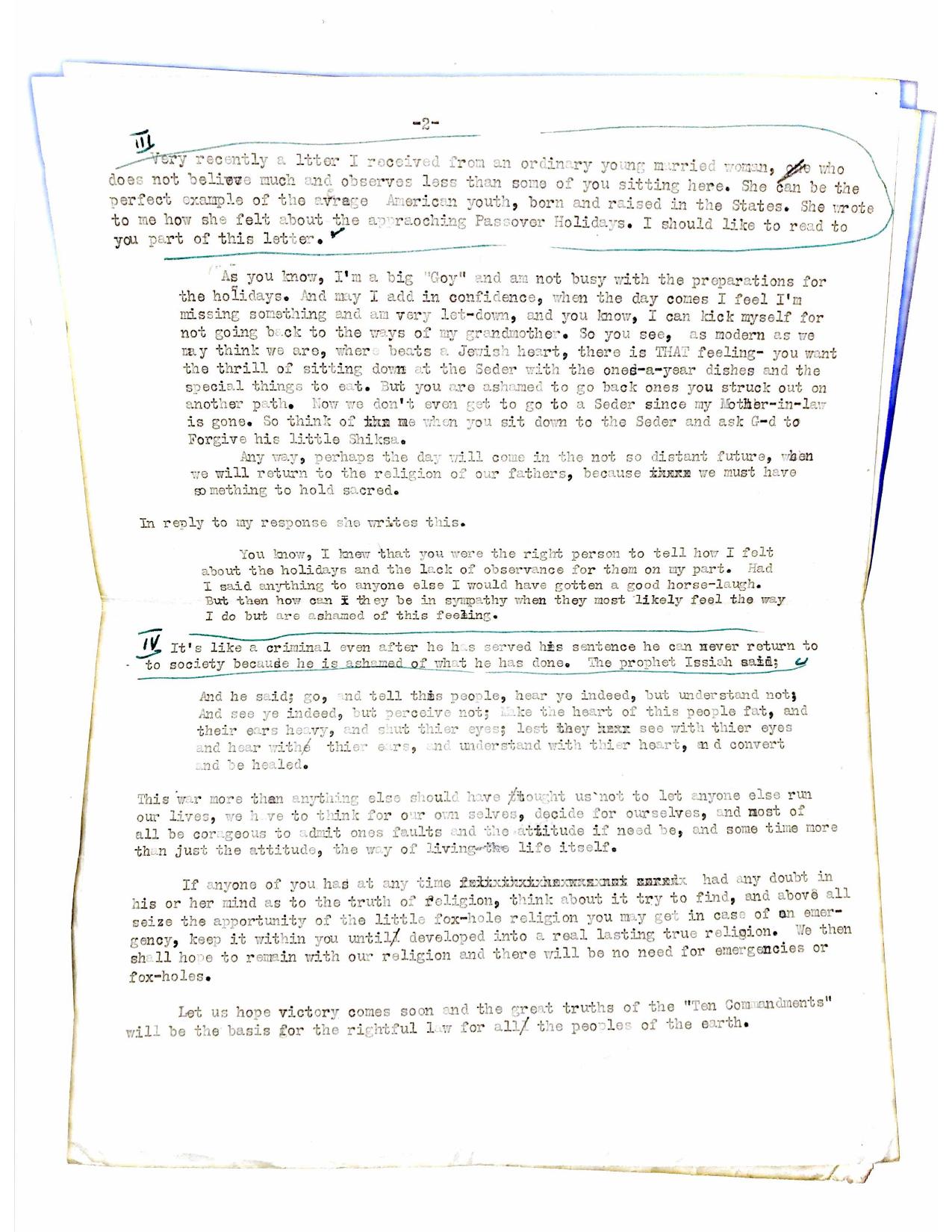
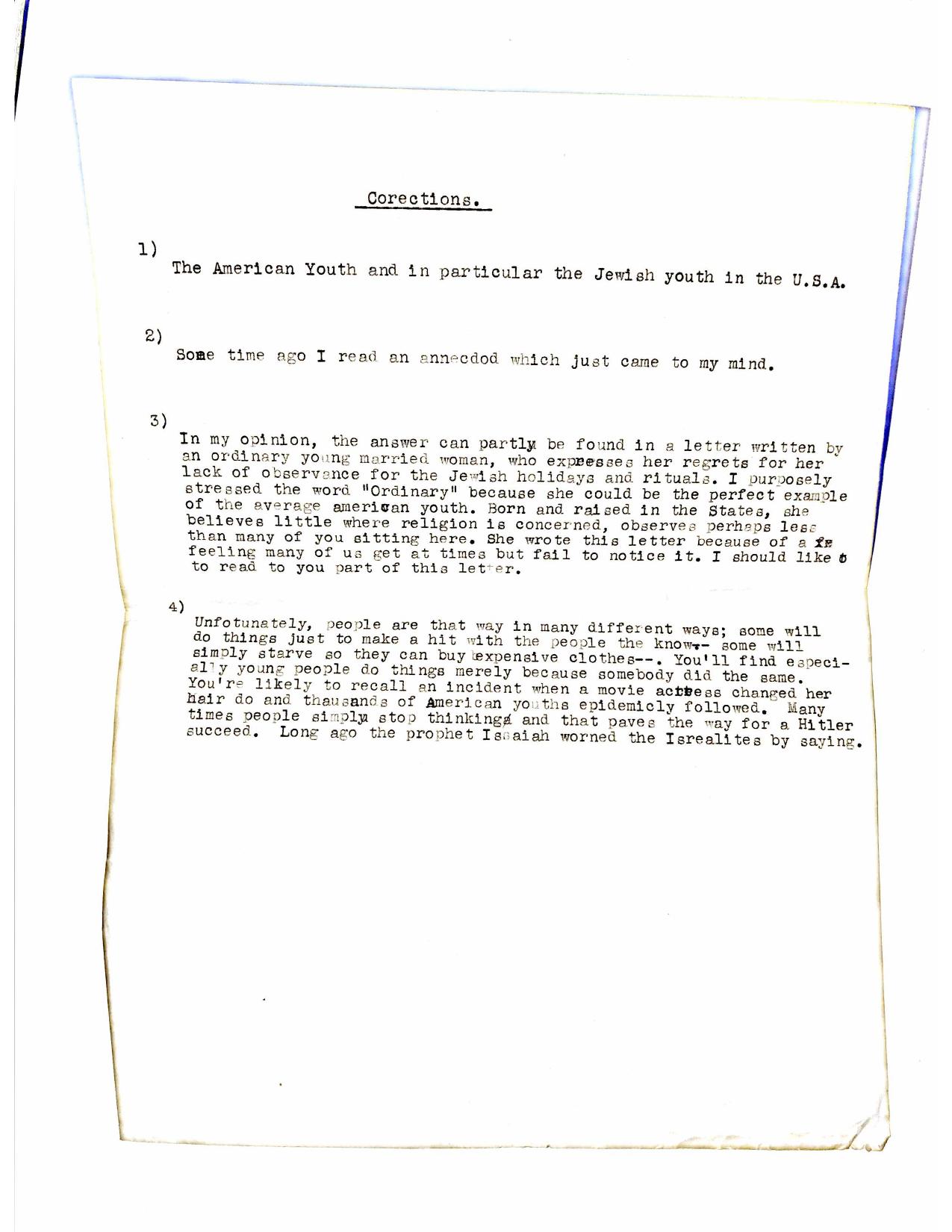
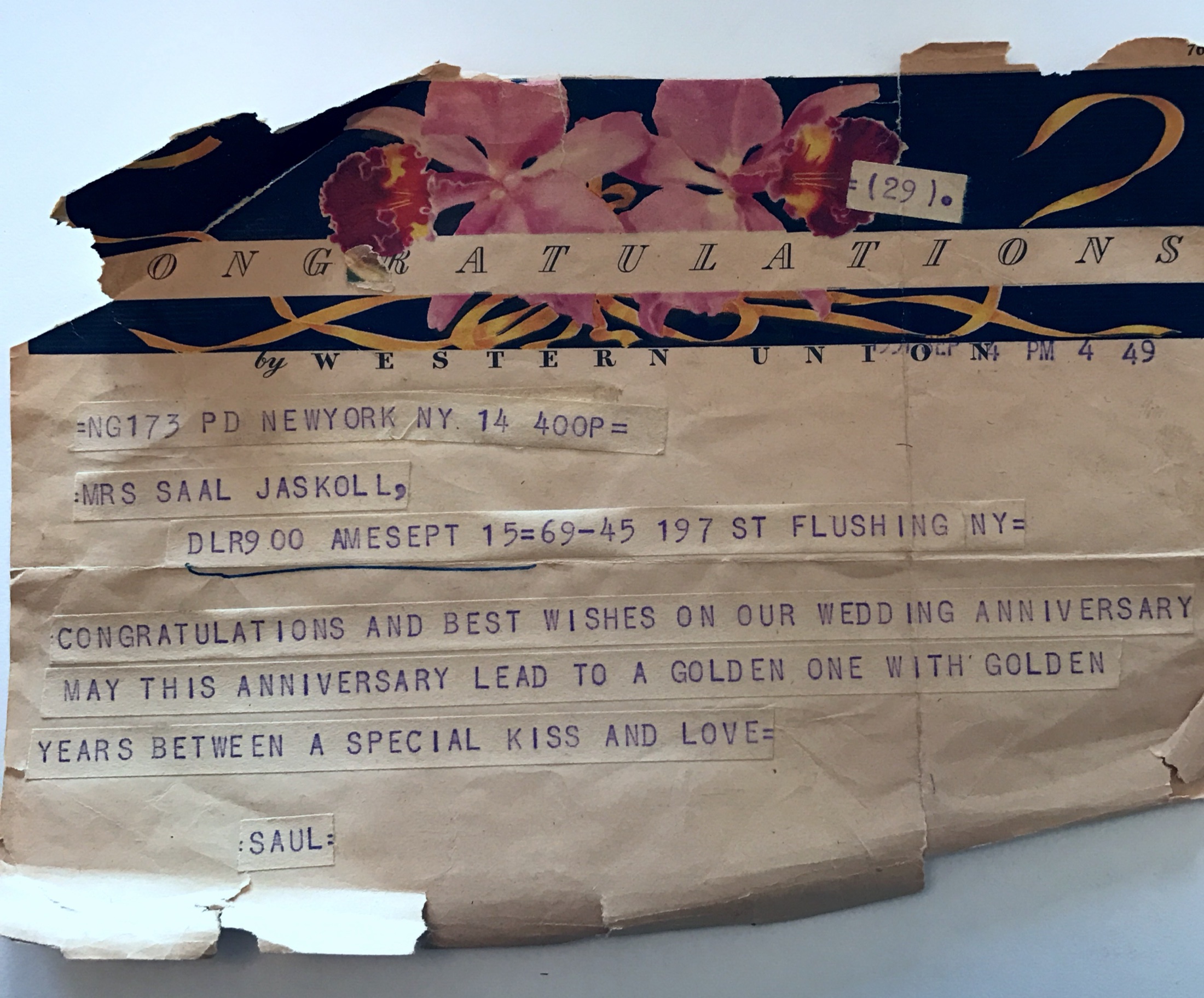
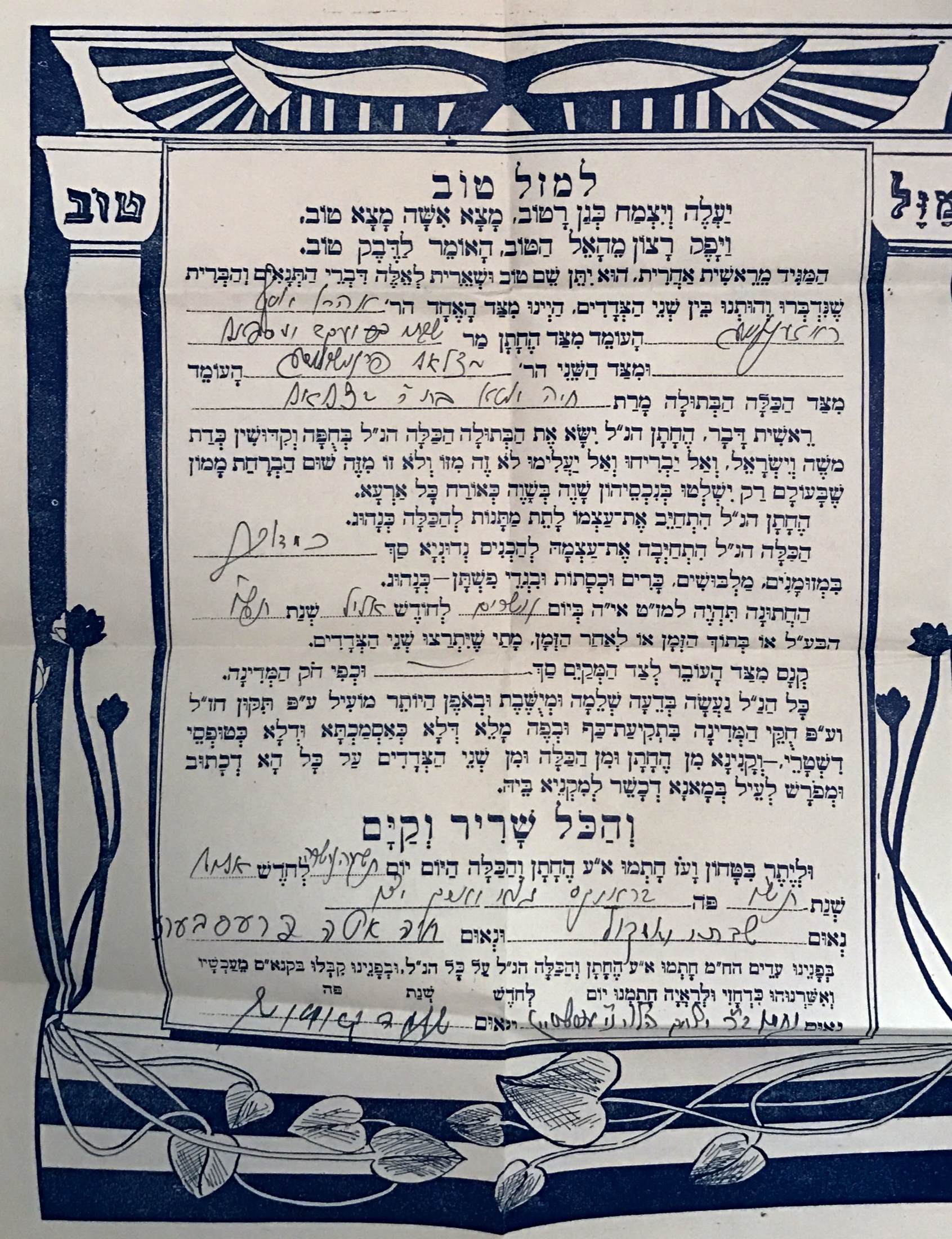
The visaLeidimas Serija A Nr.07283 (Vilnius, 28 May 1940) — Szaps Jaskulka, b. 28 Dec 1920 Dlugosiodlo, with photographJaskoll family collectionThe visaLeidimas visa page — SUGIHARA TRANSIT VISA 5 Aug 1940 with Curaçao formula crossed out and "to U.S.A." in the consul's hand; US quota visa No.3813 issued Kaunas 31 May 1940 (E. Tomlin Bailey); Lithuanian VIZA Nr.570; Fukui transit stamp 29 Sep 1940Jaskoll family collectionThe visaLeidimas visa page — US immigration visa No.2520 reissued Tokyo 8 Oct 1940 (Vice Consul W. Garland Richardson), Soviet transit visa No.114349 (Kaunas, 4 Sep 1940: Gudogai entry, Vladivostok exit)Jaskoll family collectionPhotographsCertificate of Naturalization of Saul Jacob Jaskoll, US District Court, Macon, Georgia, 13 August 1943. The District Court for the Middle District of Georgia admitted Saul Jacob Jaskoll, then 22, as a citizen of the United States on 13 August 1943. His photograph and signature are on the certificate.Jaskoll family collectionBefore 1940Polish civil-registry extracts of the birth of Szaps Jaskulka, Długosiodło, 28 December 1920. Two Polish documents from the civil registry of Długosiodło (Ostrów county, Białystok voivodeship). The printed extract of 22 December 1934 and the typed certified copy of 24 May 1938 record the birth of Szaps on 28 December 1920 to Srul and Rywka-Ruchla (née Rozenberg); the typed copy names the witnesses Lejba Rozenberg and Moszek Branszczyk and says the birth was registered late, on 10 December 1934.Jaskoll family collectionBefore 1940Polish civil-registry extracts of the birth of Szaps Jaskulka, Długosiodło, 28 December 1920. Two Polish documents from the civil registry of Długosiodło (Ostrów county, Białystok voivodeship). The printed extract of 22 December 1934 and the typed certified copy of 24 May 1938 record the birth of Szaps on 28 December 1920 to Srul and Rywka-Ruchla (née Rozenberg); the typed copy names the witnesses Lejba Rozenberg and Moszek Branszczyk and says the birth was registered late, on 10 December 1934.Jaskoll family collectionKaunas 1940Sugihara's register of transit visas, as typed at Kaunas in 1940: line 805.Original: Diplomatic Archives of the Ministry of Foreign Affairs of Japan, Tokyo; scan:Wikimedia CommonsKaunas 1940Lithuanian Central State Archives, response R4-4786 of 16 Nov 2023 (9 pages, translation): Sapsas Jaskulka (Jaskolko), son of Srulis, b. 28 Dec 1920, registered war refugee assigned to Plunge; a letter of 25 May 1940 from the Commissariat for War Refugees and a police protocol and report of 10 Jun 1940, for remaining in Vilnius past the deadline (fined, transferred to Plunge); his petition of 15 Jul 1940 for the return of his confiscated refugee certificate 'because I intend to leave for a foreign country and must go to Kaunas for the paperwork'; 19 Aug 1940 Safe-Conduct Pass No.7083 and State Security Department authorisation to depart for the USSR; a further record of 10 Aug 1940 noting departure for America. No Lithuanian citizenship, passport or imprisonment found.Kaunas 1940Lithuanian Central State Archives, response R4-4786 of 16 Nov 2023 (9 pages, translation): Sapsas Jaskulka (Jaskolko), son of Srulis, b. 28 Dec 1920, registered war refugee assigned to Plunge; a letter of 25 May 1940 from the Commissariat for War Refugees and a police protocol and report of 10 Jun 1940, for remaining in Vilnius past the deadline (fined, transferred to Plunge); his petition of 15 Jul 1940 for the return of his confiscated refugee certificate 'because I intend to leave for a foreign country and must go to Kaunas for the paperwork'; 19 Aug 1940 Safe-Conduct Pass No.7083 and State Security Department authorisation to depart for the USSR; a further record of 10 Aug 1940 noting departure for America. No Lithuanian citizenship, passport or imprisonment found.Kaunas 1940Lithuanian Central State Archives, response R4-4786 of 16 Nov 2023 (9 pages, translation): Sapsas Jaskulka (Jaskolko), son of Srulis, b. 28 Dec 1920, registered war refugee assigned to Plunge; a letter of 25 May 1940 from the Commissariat for War Refugees and a police protocol and report of 10 Jun 1940, for remaining in Vilnius past the deadline (fined, transferred to Plunge); his petition of 15 Jul 1940 for the return of his confiscated refugee certificate 'because I intend to leave for a foreign country and must go to Kaunas for the paperwork'; 19 Aug 1940 Safe-Conduct Pass No.7083 and State Security Department authorisation to depart for the USSR; a further record of 10 Aug 1940 noting departure for America. No Lithuanian citizenship, passport or imprisonment found.Kaunas 1940Lithuanian Central State Archives, response R4-4786 of 16 Nov 2023 (9 pages, translation): Sapsas Jaskulka (Jaskolko), son of Srulis, b. 28 Dec 1920, registered war refugee assigned to Plunge; a letter of 25 May 1940 from the Commissariat for War Refugees and a police protocol and report of 10 Jun 1940, for remaining in Vilnius past the deadline (fined, transferred to Plunge); his petition of 15 Jul 1940 for the return of his confiscated refugee certificate 'because I intend to leave for a foreign country and must go to Kaunas for the paperwork'; 19 Aug 1940 Safe-Conduct Pass No.7083 and State Security Department authorisation to depart for the USSR; a further record of 10 Aug 1940 noting departure for America. No Lithuanian citizenship, passport or imprisonment found.Kaunas 1940Lithuanian Central State Archives, response R4-4786 of 16 Nov 2023 (9 pages, translation): Sapsas Jaskulka (Jaskolko), son of Srulis, b. 28 Dec 1920, registered war refugee assigned to Plunge; a letter of 25 May 1940 from the Commissariat for War Refugees and a police protocol and report of 10 Jun 1940, for remaining in Vilnius past the deadline (fined, transferred to Plunge); his petition of 15 Jul 1940 for the return of his confiscated refugee certificate 'because I intend to leave for a foreign country and must go to Kaunas for the paperwork'; 19 Aug 1940 Safe-Conduct Pass No.7083 and State Security Department authorisation to depart for the USSR; a further record of 10 Aug 1940 noting departure for America. No Lithuanian citizenship, passport or imprisonment found.Kaunas 1940Lithuanian Central State Archives, response R4-4786 of 16 Nov 2023 (9 pages, translation): Sapsas Jaskulka (Jaskolko), son of Srulis, b. 28 Dec 1920, registered war refugee assigned to Plunge; a letter of 25 May 1940 from the Commissariat for War Refugees and a police protocol and report of 10 Jun 1940, for remaining in Vilnius past the deadline (fined, transferred to Plunge); his petition of 15 Jul 1940 for the return of his confiscated refugee certificate 'because I intend to leave for a foreign country and must go to Kaunas for the paperwork'; 19 Aug 1940 Safe-Conduct Pass No.7083 and State Security Department authorisation to depart for the USSR; a further record of 10 Aug 1940 noting departure for America. No Lithuanian citizenship, passport or imprisonment found.Kaunas 1940Lithuanian Central State Archives, response R4-4786 of 16 Nov 2023 (9 pages, translation): Sapsas Jaskulka (Jaskolko), son of Srulis, b. 28 Dec 1920, registered war refugee assigned to Plunge; a letter of 25 May 1940 from the Commissariat for War Refugees and a police protocol and report of 10 Jun 1940, for remaining in Vilnius past the deadline (fined, transferred to Plunge); his petition of 15 Jul 1940 for the return of his confiscated refugee certificate 'because I intend to leave for a foreign country and must go to Kaunas for the paperwork'; 19 Aug 1940 Safe-Conduct Pass No.7083 and State Security Department authorisation to depart for the USSR; a further record of 10 Aug 1940 noting departure for America. No Lithuanian citizenship, passport or imprisonment found.Kaunas 1940Lithuanian Central State Archives, response R4-4786 of 16 Nov 2023 (9 pages, translation): Sapsas Jaskulka (Jaskolko), son of Srulis, b. 28 Dec 1920, registered war refugee assigned to Plunge; a letter of 25 May 1940 from the Commissariat for War Refugees and a police protocol and report of 10 Jun 1940, for remaining in Vilnius past the deadline (fined, transferred to Plunge); his petition of 15 Jul 1940 for the return of his confiscated refugee certificate 'because I intend to leave for a foreign country and must go to Kaunas for the paperwork'; 19 Aug 1940 Safe-Conduct Pass No.7083 and State Security Department authorisation to depart for the USSR; a further record of 10 Aug 1940 noting departure for America. No Lithuanian citizenship, passport or imprisonment found.Vilna 1940Entry 2567 of the List of Refugees, Vilna, 1940, page 41: the line that names Szaps Jaskulka.The American Jewish Joint Distribution Committee; Georgette Bennett and Leonard Polonsky Digitized JDC Text Archive (JDC Archives, AR 33/44, file 00876).ArrivalUS arrival record — Inspector at Port of Arrival, San Francisco, 25 Oct 1940Jaskoll family collectionArrivalSS President Cleveland manifest, Kobe 10 Oct 1940 — line 1: Jaskolka Szaps, 19, apprentice baker, b. Dlugosiodlo; admitted 25 Oct 1940Jaskoll family collectionArrivalCertificate of Arrival for Szaps Jaskulka, Immigration and Naturalization Service, 10 July 1943. The Immigration and Naturalization Service certifies that Szaps Jaskulka arrived at San Francisco on 25 October 1940 on the SS President Cleveland and was lawfully admitted for permanent residence. Below it is the stub of his naturalization certificate, issued at Macon, Georgia, on 13 August 1943.Jaskoll family collectionArrivalDeclaration of intention of Szaps Jaskolka (Saul Jacob Jaskoll), US District Court, Burlington, Vermont, 16 September 1942. Signed in Burlington, Vermont, where he gave his occupation as factory worker. It records his birth at Długosiodło on 28 December 1920, his last foreign residence at Vilnius, his departure from Kobe and his lawful entry at San Francisco on 25 October 1940 under the name Szaps Jaskulka.Jaskoll family collectionArrivalHandwritten note on Saul's arrival in America and his family, written on Georgetown Suites stationery, undated. A short note in Edith Jaskoll's hand (per the folder's name for it): 'Saul arrived in the U.S. on the S.S. Cleveland on October 25, 1940 from Kobe, Japan. His 3 sisters + Father were killed June 24, 1941. Latvians killed them.'Jaskoll family collectionLater lifePetition for naturalization of Saul Jaskoll, US District Court, Macon, Georgia, 11 August 1943. Filed while he was serving in the US Army (entered 30 April 1943). It repeats his birth at Długosiodło on 28 December 1920, his journey from Kobe and his entry at San Francisco on 25 October 1940, and carries the affidavits of two fellow soldiers; he took the oath on 13 August 1943.Jaskoll family collectionLater lifeEvening elementary school certificate, Board of Education of the City of New York, 3 June 1942. The Board of Education certifies that Saul Jaskoll completed the course of study for evening elementary schools in the Bronx and may go on to an evening high school course.Jaskoll family collectionLater lifeMachine training certificate, State of Vermont Department of Education, 1942. The Vermont Division of Vocational Education certifies that Saul Jaskoll completed 184 hours of machine training at the National Defense Machine Training School, from 29 July to 28 September 1942.Jaskoll family collectionLater lifeHonorable Discharge of Pvt. Saul J. Jaskoll, US Army, Camp Chaffee, Arkansas, 18 October 1944. The Army of the United States certifies that Private Saul J. Jaskoll, Company G, 174th Infantry Regiment, is honorably discharged at Camp Chaffee, Arkansas, on 18 October 1944. It bears the Bronx County Clerk's stamp recording it on 24 November 1944.Jaskoll family collectionLater lifeEnlisted Record of Pvt. Saul J. Jaskoll, discharged at Camp Chaffee, 18 October 1944. The back of the discharge certificate gives his birthplace as Warsaw (sic), induction in New York on 30 April 1943 at age 22, his civilian work as assistant factory foreman, his rifle marksmanship, and a discharge for 'CDD' (certificate of disability for discharge). It also records his physical condition at discharge and vaccination dates.Jaskoll family collectionLater lifeReport of Separation, Pvt. Saul J. Jaskoll, Camp Chaffee, Arkansas, 18 October 1944. The soldier's copy of the Army separation form: born at Długosiodło, Warsaw, Poland, on 28 December 1920; entered service in New York City on 30 April 1943; separated at Camp Chaffee on 18 October 1944 with an honorable discharge and a good character rating; civilian occupation foreman; US citizen.Jaskoll family collectionLater lifeArmy Service Forces letters on Pvt. Saul Jaskoll's request for transfer to Camp Kilmer, 26 July and 30 August 1944. Two form letters from the New York Port of Embarkation at Camp Kilmer, New Jersey. They say Private Saul Jaskoll, a graduate of the Lublin Rabbinical Seminary and for many years a rabbinical assistant and teacher of Hebrew, could serve as assistant to the Jewish chaplain, and that he has been disqualified for overseas service on physical grounds.Jaskoll family collectionLater lifeArmy Service Forces letters on Pvt. Saul Jaskoll's request for transfer to Camp Kilmer, 26 July and 30 August 1944. Two form letters from the New York Port of Embarkation at Camp Kilmer, New Jersey. They say Private Saul Jaskoll, a graduate of the Lublin Rabbinical Seminary and for many years a rabbinical assistant and teacher of Hebrew, could serve as assistant to the Jewish chaplain, and that he has been disqualified for overseas service on physical grounds.Jaskoll family collectionLater lifeYeshivath Chachmey Lublin (Detroit), letter of 9 Feb 1944 from the dean, Rabbi M. Rotenberg, who had known Saul Jaskoll 'for a number of years from Europe': certifies his rabbinical qualifications for service as a US Army chaplain.Later lifeLetters to Pvt. Saul Jaskoll from Jewish Welfare Board army chaplains, October 1943 to October 1944. Seven letters on Jewish Welfare Board letterhead from Chaplains Eugene J. Sack (18 October 1943, certifying that Saul is qualified to conduct Jewish worship services), Jacob E. Segal (19 June 1944) and Richard C. Hertz (15 May, 21 June, a New Year note, 10 October and 24 October 1944). They follow him from Camp Wheeler, Georgia, through Camp White, Oregon, and Camp Phillips, Kansas, to his hospital stays and his discharge, and show his work around the army chapels.Jaskoll family collectionLater lifeLetters to Pvt. Saul Jaskoll from Jewish Welfare Board army chaplains, October 1943 to October 1944. Seven letters on Jewish Welfare Board letterhead from Chaplains Eugene J. Sack (18 October 1943, certifying that Saul is qualified to conduct Jewish worship services), Jacob E. Segal (19 June 1944) and Richard C. Hertz (15 May, 21 June, a New Year note, 10 October and 24 October 1944). They follow him from Camp Wheeler, Georgia, through Camp White, Oregon, and Camp Phillips, Kansas, to his hospital stays and his discharge, and show his work around the army chapels.Jaskoll family collectionLater lifeLetters to Pvt. Saul Jaskoll from Jewish Welfare Board army chaplains, October 1943 to October 1944. Seven letters on Jewish Welfare Board letterhead from Chaplains Eugene J. Sack (18 October 1943, certifying that Saul is qualified to conduct Jewish worship services), Jacob E. Segal (19 June 1944) and Richard C. Hertz (15 May, 21 June, a New Year note, 10 October and 24 October 1944). They follow him from Camp Wheeler, Georgia, through Camp White, Oregon, and Camp Phillips, Kansas, to his hospital stays and his discharge, and show his work around the army chapels.Jaskoll family collectionLater lifeLetters to Pvt. Saul Jaskoll from Jewish Welfare Board army chaplains, October 1943 to October 1944. Seven letters on Jewish Welfare Board letterhead from Chaplains Eugene J. Sack (18 October 1943, certifying that Saul is qualified to conduct Jewish worship services), Jacob E. Segal (19 June 1944) and Richard C. Hertz (15 May, 21 June, a New Year note, 10 October and 24 October 1944). They follow him from Camp Wheeler, Georgia, through Camp White, Oregon, and Camp Phillips, Kansas, to his hospital stays and his discharge, and show his work around the army chapels.Jaskoll family collectionLater lifeLetters to Pvt. Saul Jaskoll from Jewish Welfare Board army chaplains, October 1943 to October 1944. Seven letters on Jewish Welfare Board letterhead from Chaplains Eugene J. Sack (18 October 1943, certifying that Saul is qualified to conduct Jewish worship services), Jacob E. Segal (19 June 1944) and Richard C. Hertz (15 May, 21 June, a New Year note, 10 October and 24 October 1944). They follow him from Camp Wheeler, Georgia, through Camp White, Oregon, and Camp Phillips, Kansas, to his hospital stays and his discharge, and show his work around the army chapels.Jaskoll family collectionLater lifeLetters to Pvt. Saul Jaskoll from Jewish Welfare Board army chaplains, October 1943 to October 1944. Seven letters on Jewish Welfare Board letterhead from Chaplains Eugene J. Sack (18 October 1943, certifying that Saul is qualified to conduct Jewish worship services), Jacob E. Segal (19 June 1944) and Richard C. Hertz (15 May, 21 June, a New Year note, 10 October and 24 October 1944). They follow him from Camp Wheeler, Georgia, through Camp White, Oregon, and Camp Phillips, Kansas, to his hospital stays and his discharge, and show his work around the army chapels.Jaskoll family collectionLater lifeLetters to Pvt. Saul Jaskoll from Jewish Welfare Board army chaplains, October 1943 to October 1944. Seven letters on Jewish Welfare Board letterhead from Chaplains Eugene J. Sack (18 October 1943, certifying that Saul is qualified to conduct Jewish worship services), Jacob E. Segal (19 June 1944) and Richard C. Hertz (15 May, 21 June, a New Year note, 10 October and 24 October 1944). They follow him from Camp Wheeler, Georgia, through Camp White, Oregon, and Camp Phillips, Kansas, to his hospital stays and his discharge, and show his work around the army chapels.Jaskoll family collectionLater lifeRutgers University Extension Division grade card, Fundamentals of English, May 1966. Rutgers, the State University, University Extension Division (New Brunswick Center) records Saul Jaskoll, an inter-center student from Newark, with a final grade of 3+ in Fundamentals of English for the semester ending May 1966.Jaskoll family collectionLater lifeHigh School Equivalency Certificate of Saul J. Jaskoll, State of New Jersey, 22 January 1968. The New Jersey Department of Education certifies that Saul J. Jaskoll completed the requirements for the high school equivalent certificate in December 1967; the certificate was granted on 22 January 1968.Jaskoll family collectionLater lifeWestern Union birthday telegram from Saul to Mrs. Edith Jaskoll, 20 June 1951. A Western Union telegram sent from New York on 20 June 1951 to Mrs. Edith Jaskoll in Flushing reads 'Happy birthday darling love' and is signed Saul.Jaskoll family collectionLater lifeMarriage certificate of Saul Jaskoll and Edith Presley, New York City, September 1946. A printed Hebrew and English marriage certificate (ketubah and certificate) for the wedding of Saul Jaskoll and Edith Presley in New York City on the second day of the week, the 20th of Elul 5706, in September 1946. It is signed by the officiating rabbi, the bridegroom, the bride and two witnesses.Jaskoll family collectionLater lifeLetter from the International Tracing Service, Arolsen, to Saul Jaskoll, 23 March 1967. The ICRC International Tracing Service, answering his letter of 27 November 1966 about Srul Jaskolka (born 1898), Chaja Dvora and Freida Tema (both born 1918) and Feiga Malka (born 1923), says it regrets that no information on his missing relatives is available in its records, and suggests the Jewish Historical Institute and the Social and Cultural Association of Jews in Poland, both in Warsaw.Jaskoll family collectionLater lifeJewish Historical Institute (ZIH), Warsaw, letter of 27 December 1966 (L.dz. 2309-66, Director Prof. Dr A. Eisenbach) to Saul Jaskoll: the institute holds no record of the four relatives he asked after, and it should therefore be presumed, the letter states, that they perished in the war. The date was recorded as 27 July 1966 until the letter was read on 3 Nov 2026; it reads 27.XII.1966.Later lifeForeign Claims Settlement Commission: decisions on the claims of Saul Jaskoll for property at Długosiodło, 1965 and 1967 (nine pages). Washington decisions on Saul Jaskoll's claims for his family's property at Długosiodło: the Final Decision of 3 May 1967 and the Proposed Decision of 11 January 1967 refusing his War Claims Act claim for $30,000 for want of proof of when he inherited it, and an earlier decision under the Polish Claims Agreement awarding him $756 plus interest for land taken by Poland in 1956 that had belonged to his father, Srul Jaskulski, and his grandfather, Lejb Rosenberg.Jaskoll family collectionLater lifeForeign Claims Settlement Commission: decisions on the claims of Saul Jaskoll for property at Długosiodło, 1965 and 1967 (nine pages). Washington decisions on Saul Jaskoll's claims for his family's property at Długosiodło: the Final Decision of 3 May 1967 and the Proposed Decision of 11 January 1967 refusing his War Claims Act claim for $30,000 for want of proof of when he inherited it, and an earlier decision under the Polish Claims Agreement awarding him $756 plus interest for land taken by Poland in 1956 that had belonged to his father, Srul Jaskulski, and his grandfather, Lejb Rosenberg.Jaskoll family collectionLater lifeForeign Claims Settlement Commission: decisions on the claims of Saul Jaskoll for property at Długosiodło, 1965 and 1967 (nine pages). Washington decisions on Saul Jaskoll's claims for his family's property at Długosiodło: the Final Decision of 3 May 1967 and the Proposed Decision of 11 January 1967 refusing his War Claims Act claim for $30,000 for want of proof of when he inherited it, and an earlier decision under the Polish Claims Agreement awarding him $756 plus interest for land taken by Poland in 1956 that had belonged to his father, Srul Jaskulski, and his grandfather, Lejb Rosenberg.Jaskoll family collectionLater lifeForeign Claims Settlement Commission: decisions on the claims of Saul Jaskoll for property at Długosiodło, 1965 and 1967 (nine pages). Washington decisions on Saul Jaskoll's claims for his family's property at Długosiodło: the Final Decision of 3 May 1967 and the Proposed Decision of 11 January 1967 refusing his War Claims Act claim for $30,000 for want of proof of when he inherited it, and an earlier decision under the Polish Claims Agreement awarding him $756 plus interest for land taken by Poland in 1956 that had belonged to his father, Srul Jaskulski, and his grandfather, Lejb Rosenberg.Jaskoll family collectionLater lifeForeign Claims Settlement Commission: decisions on the claims of Saul Jaskoll for property at Długosiodło, 1965 and 1967 (nine pages). Washington decisions on Saul Jaskoll's claims for his family's property at Długosiodło: the Final Decision of 3 May 1967 and the Proposed Decision of 11 January 1967 refusing his War Claims Act claim for $30,000 for want of proof of when he inherited it, and an earlier decision under the Polish Claims Agreement awarding him $756 plus interest for land taken by Poland in 1956 that had belonged to his father, Srul Jaskulski, and his grandfather, Lejb Rosenberg.Jaskoll family collectionLater lifeForeign Claims Settlement Commission: decisions on the claims of Saul Jaskoll for property at Długosiodło, 1965 and 1967 (nine pages). Washington decisions on Saul Jaskoll's claims for his family's property at Długosiodło: the Final Decision of 3 May 1967 and the Proposed Decision of 11 January 1967 refusing his War Claims Act claim for $30,000 for want of proof of when he inherited it, and an earlier decision under the Polish Claims Agreement awarding him $756 plus interest for land taken by Poland in 1956 that had belonged to his father, Srul Jaskulski, and his grandfather, Lejb Rosenberg.Jaskoll family collectionLater lifeForeign Claims Settlement Commission: decisions on the claims of Saul Jaskoll for property at Długosiodło, 1965 and 1967 (nine pages). Washington decisions on Saul Jaskoll's claims for his family's property at Długosiodło: the Final Decision of 3 May 1967 and the Proposed Decision of 11 January 1967 refusing his War Claims Act claim for $30,000 for want of proof of when he inherited it, and an earlier decision under the Polish Claims Agreement awarding him $756 plus interest for land taken by Poland in 1956 that had belonged to his father, Srul Jaskulski, and his grandfather, Lejb Rosenberg.Jaskoll family collectionLater lifeForeign Claims Settlement Commission: decisions on the claims of Saul Jaskoll for property at Długosiodło, 1965 and 1967 (nine pages). Washington decisions on Saul Jaskoll's claims for his family's property at Długosiodło: the Final Decision of 3 May 1967 and the Proposed Decision of 11 January 1967 refusing his War Claims Act claim for $30,000 for want of proof of when he inherited it, and an earlier decision under the Polish Claims Agreement awarding him $756 plus interest for land taken by Poland in 1956 that had belonged to his father, Srul Jaskulski, and his grandfather, Lejb Rosenberg.Jaskoll family collectionLater lifeForeign Claims Settlement Commission: decisions on the claims of Saul Jaskoll for property at Długosiodło, 1965 and 1967 (nine pages). Washington decisions on Saul Jaskoll's claims for his family's property at Długosiodło: the Final Decision of 3 May 1967 and the Proposed Decision of 11 January 1967 refusing his War Claims Act claim for $30,000 for want of proof of when he inherited it, and an earlier decision under the Polish Claims Agreement awarding him $756 plus interest for land taken by Poland in 1956 that had belonged to his father, Srul Jaskulski, and his grandfather, Lejb Rosenberg.Jaskoll family collectionLater lifeForeign Claims Settlement Commission letter of 19 February 1964 and US Embassy Warsaw letter of 10 February 1961. The Commission's chairman tells a member of Congress that a Polish report of 27 January 1961 says the two houses at Długosiodło that belonged to Saul's late father had been 'pulled down by the Germans'. The second page is the American Embassy in Warsaw's letter of 10 February 1961 forwarding the Długosiodło council's statement to that effect, and saying there is no record that his father owned ten acres.Jaskoll family collectionLater lifeForeign Claims Settlement Commission letter of 19 February 1964 and US Embassy Warsaw letter of 10 February 1961. The Commission's chairman tells a member of Congress that a Polish report of 27 January 1961 says the two houses at Długosiodło that belonged to Saul's late father had been 'pulled down by the Germans'. The second page is the American Embassy in Warsaw's letter of 10 February 1961 forwarding the Długosiodło council's statement to that effect, and saying there is no record that his father owned ten acres.Jaskoll family collectionLater lifeForeign Claims Settlement Commission letter to Saul Jaskoll, 24 August 1966. The Commission tells Saul that his claim for losses in Poland is under consideration, explains that the claim fails unless the property was owned by a US national when it was lost, and asks for the date and cause of the losses, the dates of death of his parents (suggesting the Tracing Service at Arolsen and the Jewish Historical Institute in Warsaw), and descriptions of the property, within sixty days.Jaskoll family collectionLater lifeForeign Claims Settlement Commission letter to Saul Jaskoll, 24 August 1966. The Commission tells Saul that his claim for losses in Poland is under consideration, explains that the claim fails unless the property was owned by a US national when it was lost, and asks for the date and cause of the losses, the dates of death of his parents (suggesting the Tracing Service at Arolsen and the Jewish Historical Institute in Warsaw), and descriptions of the property, within sixty days.Jaskoll family collectionLater lifeForeign Claims Settlement Commission letter to Saul Jaskoll, 17 November 1966. The Commission acknowledges his letters of 1 and 13 October 1966, says no evidence yet fixes the date the property was lost or inherited, and reminds him of the deadline for petitions to reopen (17 February 1967).Jaskoll family collectionLater lifeForeign Claims Settlement Commission letter to Saul Jaskoll, 17 November 1966. The Commission acknowledges his letters of 1 and 13 October 1966, says no evidence yet fixes the date the property was lost or inherited, and reminds him of the deadline for petitions to reopen (17 February 1967).Jaskoll family collectionLater lifeForeign Claims Settlement Commission notices to Saul Jaskoll, 11 and 27 January 1967. The Commission's notices that its Proposed Decision of 11 January 1967 has been sent to him, how to object and ask for an oral hearing, and that a hearing is set for 2 March 1967 at its Washington office.Jaskoll family collectionLater lifeForeign Claims Settlement Commission notices to Saul Jaskoll, 11 and 27 January 1967. The Commission's notices that its Proposed Decision of 11 January 1967 has been sent to him, how to object and ask for an oral hearing, and that a hearing is set for 2 March 1967 at its Washington office.Jaskoll family collectionLater lifeForeign Claims Settlement Commission notices to Saul Jaskoll, 11 and 27 January 1967. The Commission's notices that its Proposed Decision of 11 January 1967 has been sent to him, how to object and ask for an oral hearing, and that a hearing is set for 2 March 1967 at its Washington office.Jaskoll family collectionLater lifeForeign Claims Settlement Commission correspondence, February to May 1967, and Saul Jaskoll's claim form. Five pages: the Clerk's covering note of 8 May 1967 sending the Final Decision; the Commission's letter of 3 March 1967 saying that its investigator in Poland found the property was lost in the winter of 1939-1940 and that affidavits from former residents indicate 'your predecessors in interest died in Poland during July 1942'; his claim form describing about ten acres, a frame house and a brick building with a family bakery at Długosiodło; and its notices of 24 and 10 February 1967 (the 2 March hearing cancelled).Jaskoll family collectionLater lifeForeign Claims Settlement Commission correspondence, February to May 1967, and Saul Jaskoll's claim form. Five pages: the Clerk's covering note of 8 May 1967 sending the Final Decision; the Commission's letter of 3 March 1967 saying that its investigator in Poland found the property was lost in the winter of 1939-1940 and that affidavits from former residents indicate 'your predecessors in interest died in Poland during July 1942'; his claim form describing about ten acres, a frame house and a brick building with a family bakery at Długosiodło; and its notices of 24 and 10 February 1967 (the 2 March hearing cancelled).Jaskoll family collectionLater lifeForeign Claims Settlement Commission correspondence, February to May 1967, and Saul Jaskoll's claim form. Five pages: the Clerk's covering note of 8 May 1967 sending the Final Decision; the Commission's letter of 3 March 1967 saying that its investigator in Poland found the property was lost in the winter of 1939-1940 and that affidavits from former residents indicate 'your predecessors in interest died in Poland during July 1942'; his claim form describing about ten acres, a frame house and a brick building with a family bakery at Długosiodło; and its notices of 24 and 10 February 1967 (the 2 March hearing cancelled).Jaskoll family collectionLater lifeForeign Claims Settlement Commission correspondence, February to May 1967, and Saul Jaskoll's claim form. Five pages: the Clerk's covering note of 8 May 1967 sending the Final Decision; the Commission's letter of 3 March 1967 saying that its investigator in Poland found the property was lost in the winter of 1939-1940 and that affidavits from former residents indicate 'your predecessors in interest died in Poland during July 1942'; his claim form describing about ten acres, a frame house and a brick building with a family bakery at Długosiodło; and its notices of 24 and 10 February 1967 (the 2 March hearing cancelled).Jaskoll family collectionLater lifeForeign Claims Settlement Commission correspondence, February to May 1967, and Saul Jaskoll's claim form. Five pages: the Clerk's covering note of 8 May 1967 sending the Final Decision; the Commission's letter of 3 March 1967 saying that its investigator in Poland found the property was lost in the winter of 1939-1940 and that affidavits from former residents indicate 'your predecessors in interest died in Poland during July 1942'; his claim form describing about ten acres, a frame house and a brick building with a family bakery at Długosiodło; and its notices of 24 and 10 February 1967 (the 2 March hearing cancelled).Jaskoll family collectionLater lifeSaul Jaskoll, 'I Spent Rosh Hashanah in Japan' — typed talk given to a US Army chaplaincy audience in Chaplain Hertz's absence (c. 1944-45), six pages, family papers. His own account of the journey: crossed to Lithuania, American visa obtained there but unusable (Atlantic blockade), Soviet transit visa, train to Moscow 9 Sep 1940, nine days to Vladivostok, three-day crossing, in Japan 28 Sep; fourteen days in Tokyo, Yokohama and Kobe; Rosh Hashanah 1940 as house-guest of the president of the newly organised Kobe congregation (Polish-born, 25 years in Japan; Polish-born wife; her father from Manchukuo; kosher home, shochet brought from Shanghai; services in the new wooden shul that served as HIAS headquarters, German refugees in a separate minyan); met the president of the Sephardic community; sailed from Kobe 11 Oct 1940, sixteen days via Honolulu to San Francisco, then New York. States explicitly: 'I made the journey alone since my family stayed in the Russian part of Poland.' Read 2026-08-21 from the owner's Dropbox.Later lifeSaul Jaskoll, 'I Spent Rosh Hashanah in Japan' — typed talk given to a US Army chaplaincy audience in Chaplain Hertz's absence (c. 1944-45), six pages, family papers. His own account of the journey: crossed to Lithuania, American visa obtained there but unusable (Atlantic blockade), Soviet transit visa, train to Moscow 9 Sep 1940, nine days to Vladivostok, three-day crossing, in Japan 28 Sep; fourteen days in Tokyo, Yokohama and Kobe; Rosh Hashanah 1940 as house-guest of the president of the newly organised Kobe congregation (Polish-born, 25 years in Japan; Polish-born wife; her father from Manchukuo; kosher home, shochet brought from Shanghai; services in the new wooden shul that served as HIAS headquarters, German refugees in a separate minyan); met the president of the Sephardic community; sailed from Kobe 11 Oct 1940, sixteen days via Honolulu to San Francisco, then New York. States explicitly: 'I made the journey alone since my family stayed in the Russian part of Poland.' Read 2026-08-21 from the owner's Dropbox.Later lifeSaul Jaskoll, 'I Spent Rosh Hashanah in Japan' — typed talk given to a US Army chaplaincy audience in Chaplain Hertz's absence (c. 1944-45), six pages, family papers. His own account of the journey: crossed to Lithuania, American visa obtained there but unusable (Atlantic blockade), Soviet transit visa, train to Moscow 9 Sep 1940, nine days to Vladivostok, three-day crossing, in Japan 28 Sep; fourteen days in Tokyo, Yokohama and Kobe; Rosh Hashanah 1940 as house-guest of the president of the newly organised Kobe congregation (Polish-born, 25 years in Japan; Polish-born wife; her father from Manchukuo; kosher home, shochet brought from Shanghai; services in the new wooden shul that served as HIAS headquarters, German refugees in a separate minyan); met the president of the Sephardic community; sailed from Kobe 11 Oct 1940, sixteen days via Honolulu to San Francisco, then New York. States explicitly: 'I made the journey alone since my family stayed in the Russian part of Poland.' Read 2026-08-21 from the owner's Dropbox.Later lifeSaul Jaskoll, 'I Spent Rosh Hashanah in Japan' — typed talk given to a US Army chaplaincy audience in Chaplain Hertz's absence (c. 1944-45), six pages, family papers. His own account of the journey: crossed to Lithuania, American visa obtained there but unusable (Atlantic blockade), Soviet transit visa, train to Moscow 9 Sep 1940, nine days to Vladivostok, three-day crossing, in Japan 28 Sep; fourteen days in Tokyo, Yokohama and Kobe; Rosh Hashanah 1940 as house-guest of the president of the newly organised Kobe congregation (Polish-born, 25 years in Japan; Polish-born wife; her father from Manchukuo; kosher home, shochet brought from Shanghai; services in the new wooden shul that served as HIAS headquarters, German refugees in a separate minyan); met the president of the Sephardic community; sailed from Kobe 11 Oct 1940, sixteen days via Honolulu to San Francisco, then New York. States explicitly: 'I made the journey alone since my family stayed in the Russian part of Poland.' Read 2026-08-21 from the owner's Dropbox.Later lifeSaul Jaskoll, 'I Spent Rosh Hashanah in Japan' — typed talk given to a US Army chaplaincy audience in Chaplain Hertz's absence (c. 1944-45), six pages, family papers. His own account of the journey: crossed to Lithuania, American visa obtained there but unusable (Atlantic blockade), Soviet transit visa, train to Moscow 9 Sep 1940, nine days to Vladivostok, three-day crossing, in Japan 28 Sep; fourteen days in Tokyo, Yokohama and Kobe; Rosh Hashanah 1940 as house-guest of the president of the newly organised Kobe congregation (Polish-born, 25 years in Japan; Polish-born wife; her father from Manchukuo; kosher home, shochet brought from Shanghai; services in the new wooden shul that served as HIAS headquarters, German refugees in a separate minyan); met the president of the Sephardic community; sailed from Kobe 11 Oct 1940, sixteen days via Honolulu to San Francisco, then New York. States explicitly: 'I made the journey alone since my family stayed in the Russian part of Poland.' Read 2026-08-21 from the owner's Dropbox.Later lifeSaul Jaskoll, 'I Spent Rosh Hashanah in Japan' — typed talk given to a US Army chaplaincy audience in Chaplain Hertz's absence (c. 1944-45), six pages, family papers. His own account of the journey: crossed to Lithuania, American visa obtained there but unusable (Atlantic blockade), Soviet transit visa, train to Moscow 9 Sep 1940, nine days to Vladivostok, three-day crossing, in Japan 28 Sep; fourteen days in Tokyo, Yokohama and Kobe; Rosh Hashanah 1940 as house-guest of the president of the newly organised Kobe congregation (Polish-born, 25 years in Japan; Polish-born wife; her father from Manchukuo; kosher home, shochet brought from Shanghai; services in the new wooden shul that served as HIAS headquarters, German refugees in a separate minyan); met the president of the Sephardic community; sailed from Kobe 11 Oct 1940, sixteen days via Honolulu to San Francisco, then New York. States explicitly: 'I made the journey alone since my family stayed in the Russian part of Poland.' Read 2026-08-21 from the owner's Dropbox.Later life'The Sefirah Period: From Passover to Shavuoth', a typed chaplain's talk by Saul Jaskoll (United States Army, undated), 3 pages, Jaskoll family collectionLater life'The Sefirah Period: From Passover to Shavuoth', a typed chaplain's talk by Saul Jaskoll (United States Army, undated), 3 pages, Jaskoll family collectionLater life'The Sefirah Period: From Passover to Shavuoth', a typed chaplain's talk by Saul Jaskoll (United States Army, undated), 3 pages, Jaskoll family collectionLater life'The Jewish Youth in the U.S.A.', a typed chaplain's talk by Saul Jaskoll (United States Army, undated), 3 pages, Jaskoll family collectionLater life'The Jewish Youth in the U.S.A.', a typed chaplain's talk by Saul Jaskoll (United States Army, undated), 3 pages, Jaskoll family collectionLater life'The Jewish Youth in the U.S.A.', a typed chaplain's talk by Saul Jaskoll (United States Army, undated), 3 pages, Jaskoll family collectionLater life'Religion and the Youth', a typed chaplain's talk by Saul Jaskoll (United States Army, 1940s), 3 pages, Jaskoll family collectionLater life'Religion and the Youth', a typed chaplain's talk by Saul Jaskoll (United States Army, 1940s), 3 pages, Jaskoll family collectionLater life'Religion and the Youth', a typed chaplain's talk by Saul Jaskoll (United States Army, 1940s), 3 pages, Jaskoll family collectionOtherWestern Union anniversary telegram from Saul to Mrs. Saul Jaskoll, 14 September (year not legible). A Western Union 'Congratulations' telegram handed in at New York on 14 September and delivered the next morning to Mrs. Saal Jaskoll in Flushing wishes her happiness on their wedding anniversary, 'may this anniversary lead to a golden one', and is signed Saul.Jaskoll family collectionOtherHebrew engagement-conditions document (tena'im), handwritten names, undated. A printed Hebrew form of tena'im, the conditions agreed between two families before a wedding, with the names of the parties and the date filled in by hand in Hebrew. The handwritten names and the date have not been read.Jaskoll family collection
What the register records
Nationality as recorded
Polnisch
Age in 1940
19
The journey
Reached Japan; registered in Kobe for USA.
What is known
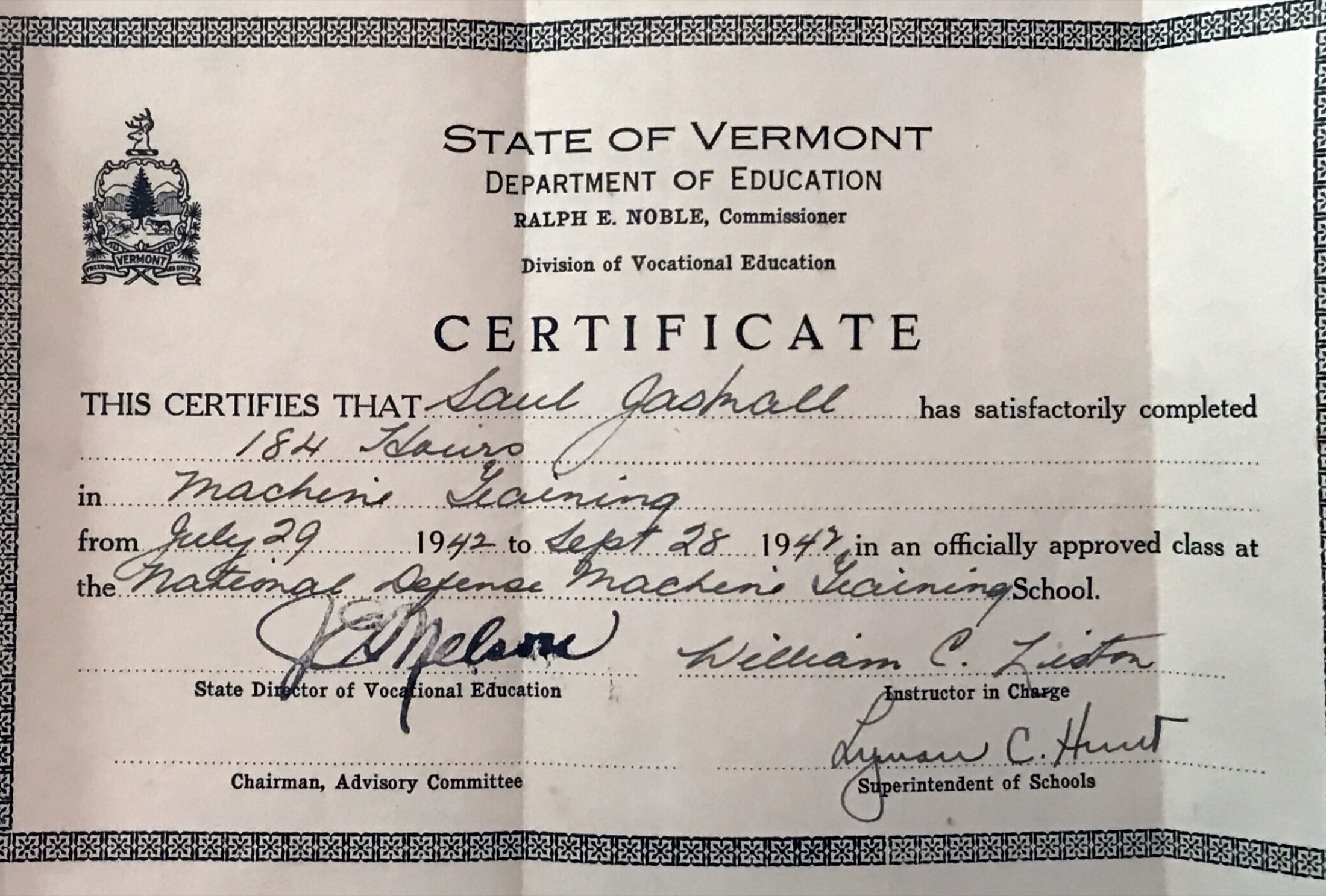
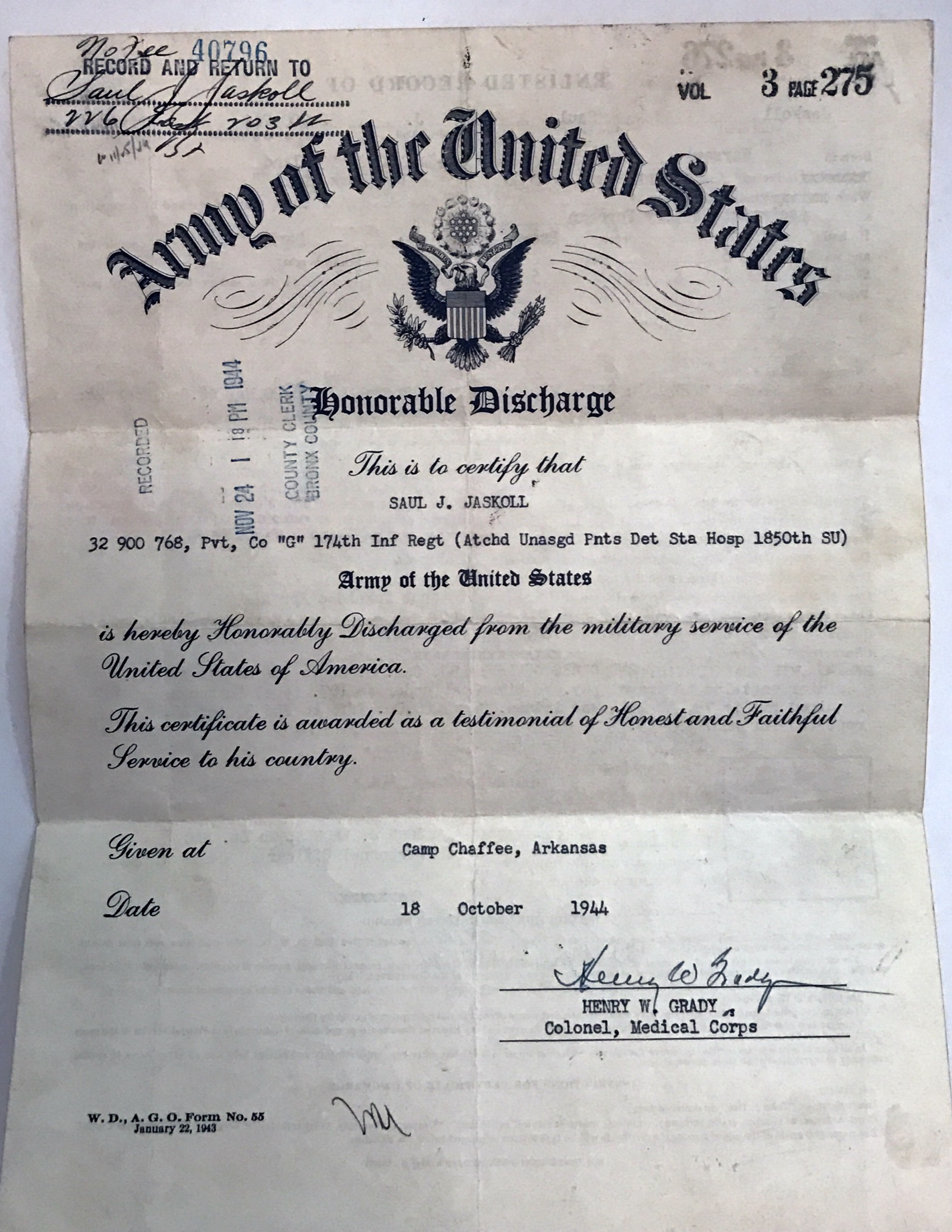
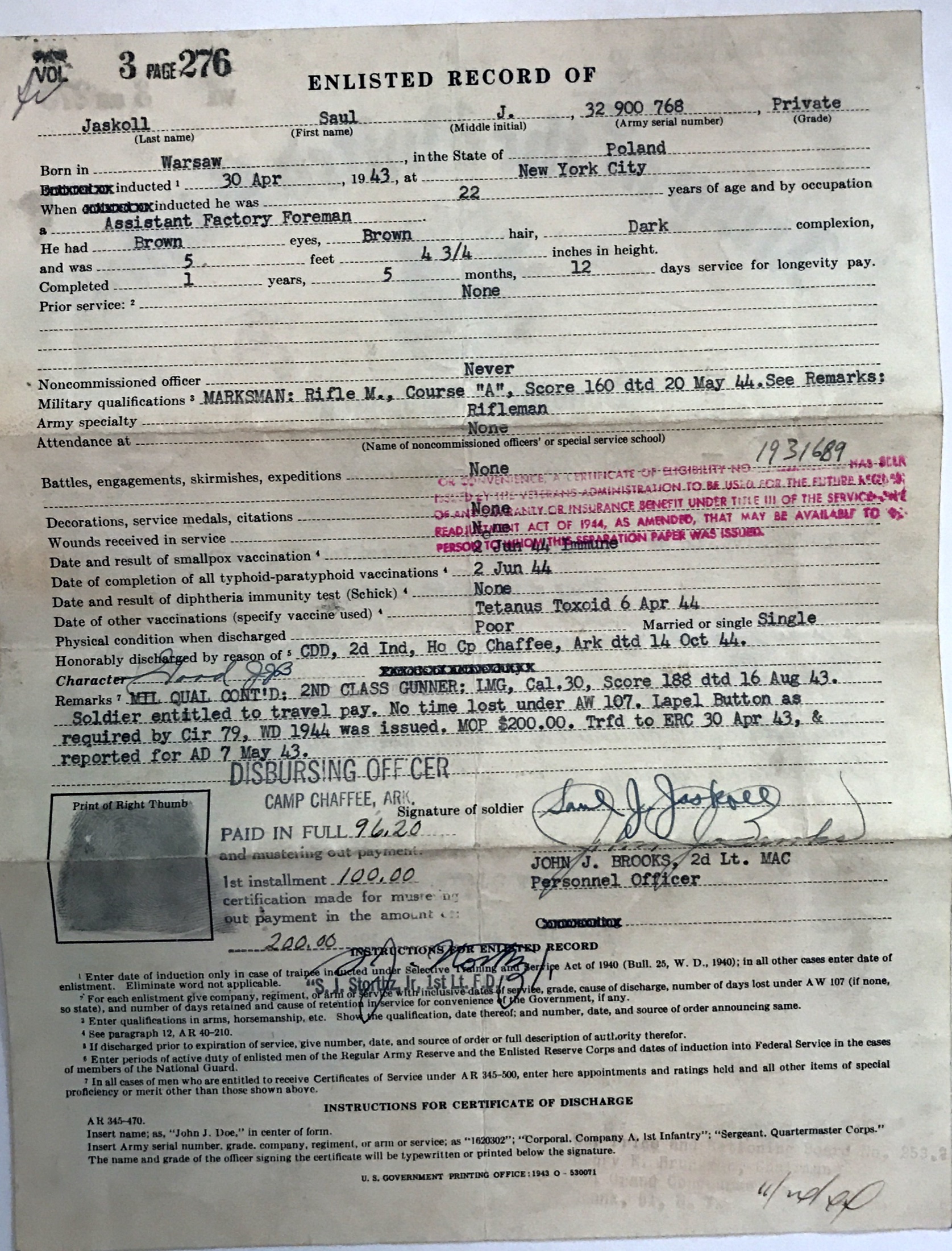
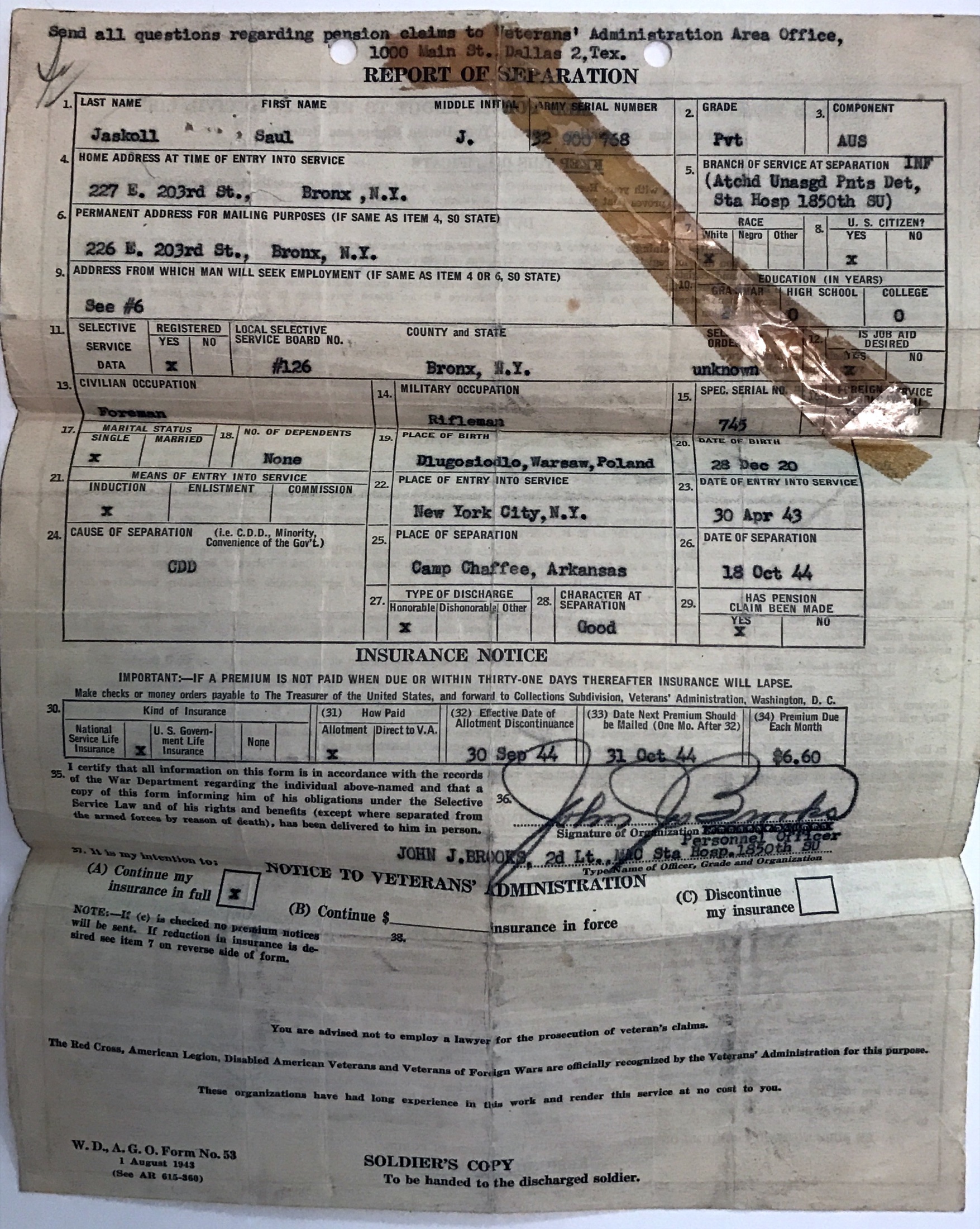
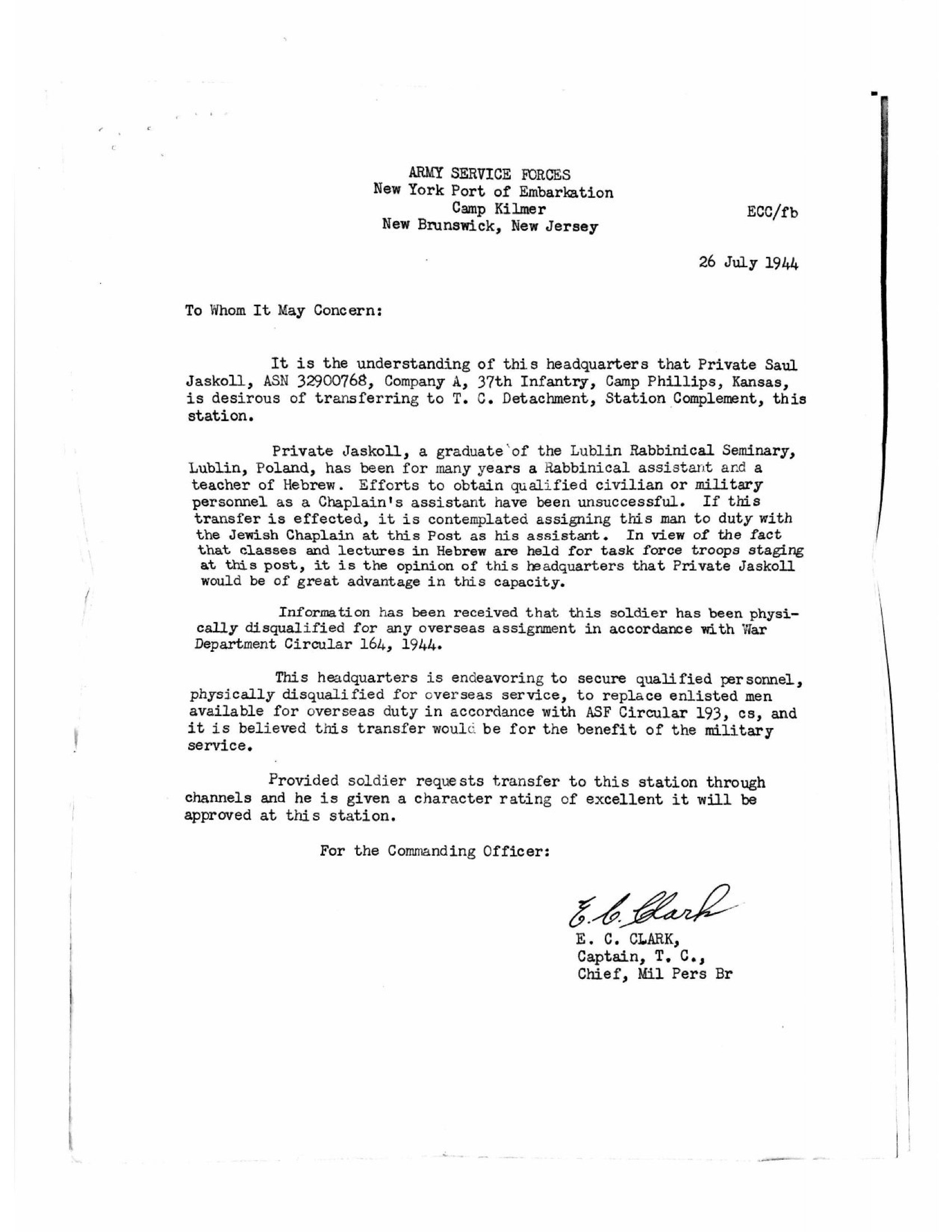
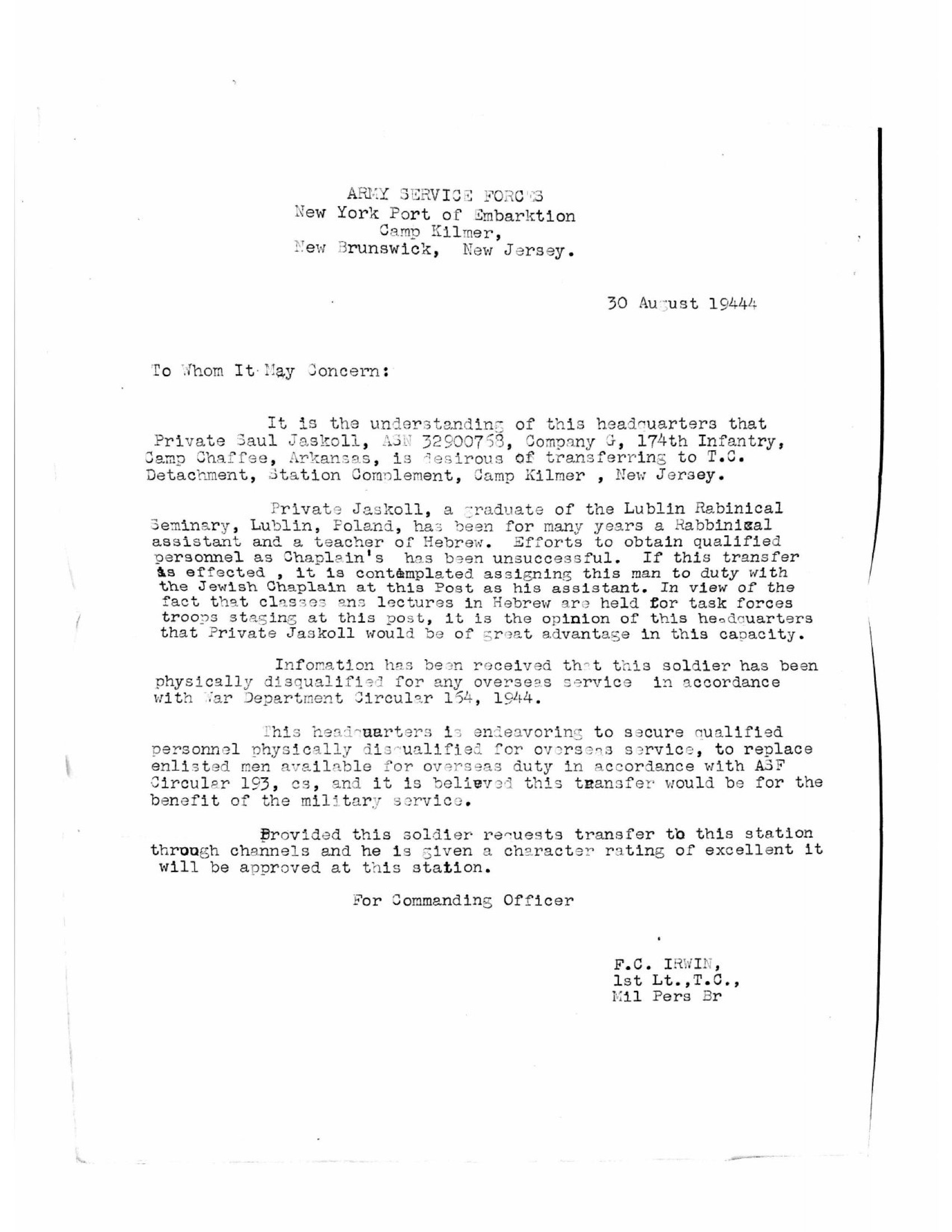
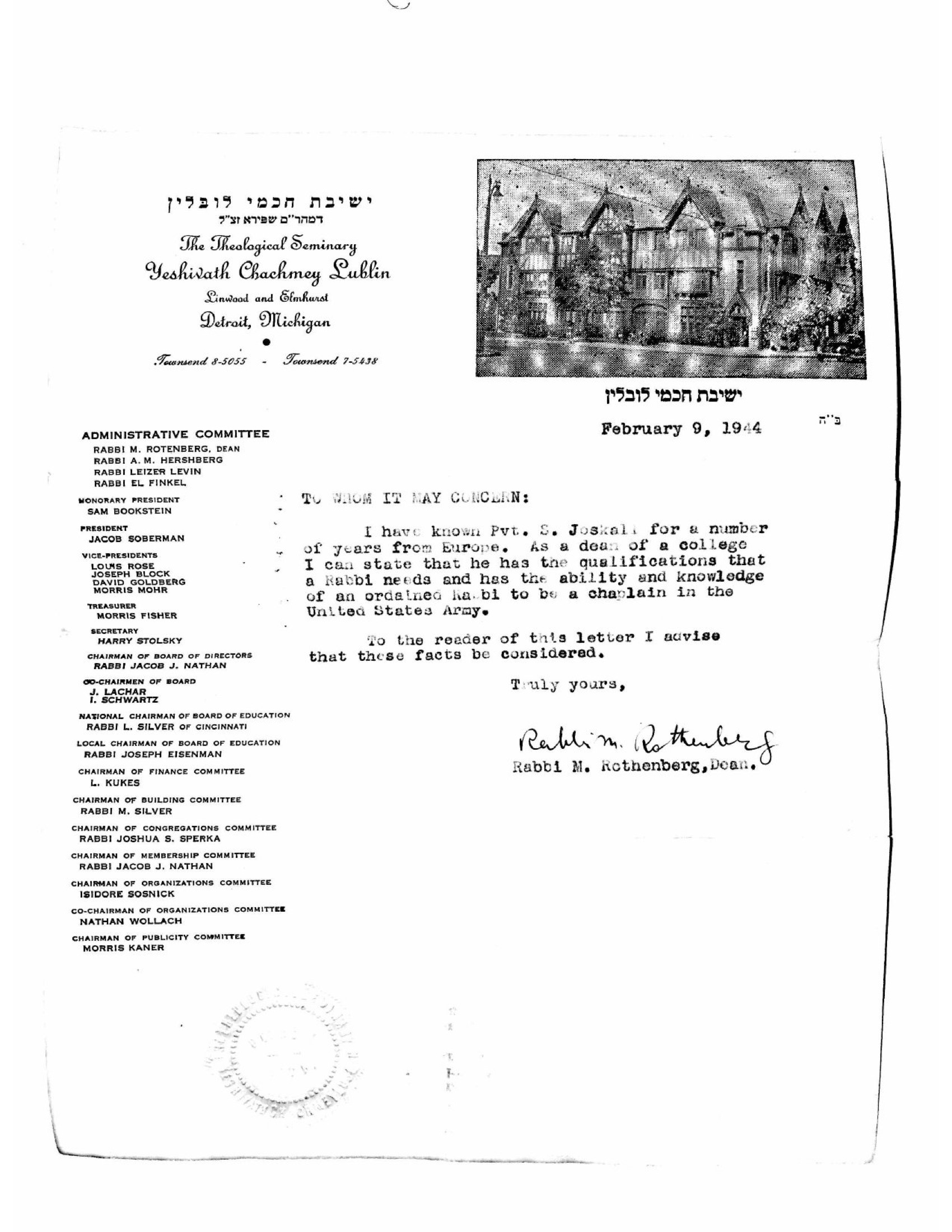
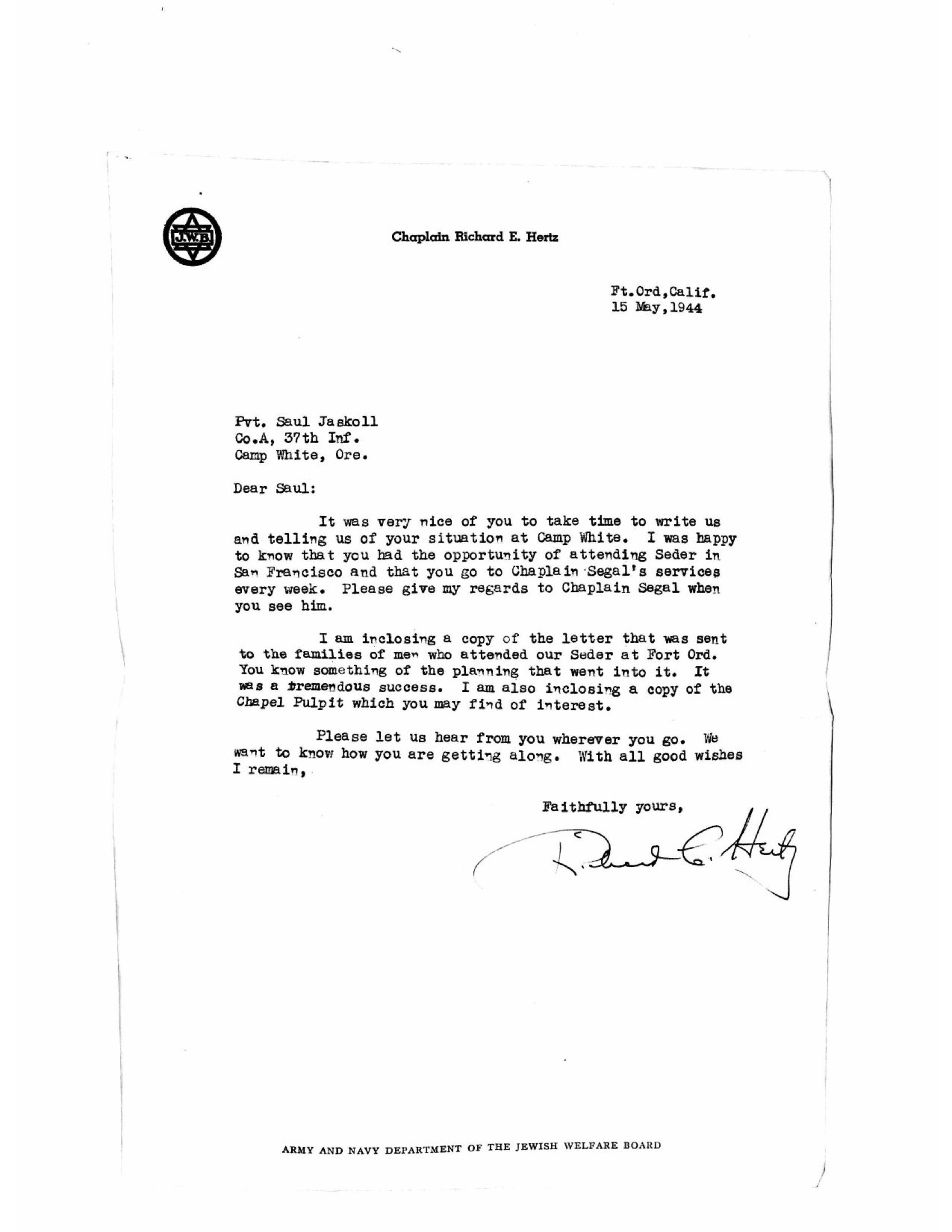
Szaps Jaskolka, a nineteen-year-old apprentice baker from Dlugosiodlo, reached Vilnius as a refugee and refused to stay where the bureaucracy put him. Fined for living in Vilnius illegally, stripped of his refugee certificate, he petitioned in July 1940 to get it back — he had paperwork to finish in Kaunas. The paperwork survives: an American quota visa issued two weeks before the Soviets closed the consulates, and five days into August, Sugihara's transit visa — with the Curacao fiction crossed out and "to U.S.A." written in the consul's own hand, because this refugee, almost uniquely, was carrying a real destination. Soviet transit visa, Trans-Siberian, Tsuruga on 29 September, a replacement US visa in Tokyo when the first one lapsed, and the SS President Cleveland out of Kobe on 10 October 1940. He stepped ashore in San Francisco on 25 October — under five months from petition to America. His father and three sisters stayed behind and did not survive the war; the documents on that are below. He became Saul Jaskoll, served in the US Army, and was naturalized in 1943. Eighty-six years later his grandson built this register. The family's papers carry the rest. He went to night school in the Bronx and a machine-training course in Burlington, Vermont, declared his intention to become a citizen there in September 1942, and was inducted into the US Army on 30 April 1943. He took the oath of citizenship at Macon, Georgia, on 13 August 1943, two fellow soldiers standing as his witnesses. Army chaplains who knew him wrote through 1943 and 1944: he led services at Camp Wheeler, kept the Seder at Fort Ord, asked to serve as a chaplain's assistant on the strength of his years at the Chachmey Lublin yeshiva, and was discharged on medical grounds at Camp Chaffee, Arkansas, on 18 October 1944. He married Edith Presley in New York in September 1946; the telegrams he sent her survive. In 1966 and 1967 he wrote to the tracing service at Arolsen and to the Jewish Historical Institute in Warsaw about his father Srul and his sisters Chaja Dwora, Freida Tema and Feiga Malka. Neither had a record of them; the Warsaw institute wrote that it should be presumed they perished in the war. His claim for the family's house and bakery at Długosiodło was heard by the Foreign Claims Settlement Commission in 1967. The family's papers do not agree on when his father and sisters died: Edith's note says 24 June 1941; the affidavits gathered for the 1967 claim, which the archive has not seen, put their deaths in July 1942. The archive shows both and decides neither. He finished a high-school equivalency in New Jersey in January 1968 and died in 1969.
In a talk to fellow soldiers during the war, Saul described the journey himself: the Soviet transit visa, the train to Moscow on 9 September 1940 and nine days on to Vladivostok, arrival in Japan on 28 September, and a fortnight waiting for the 11 October boat from Kobe. He spent Rosh Hashanah 1940 as the guest of the president of Kobe's newly formed congregation, a Polish-born family a quarter-century in Japan, in a kosher home — the first time, he said, that he forgot he was alone in that strange world. His hosts drove him to the ship and wrote to him until the war ended the correspondence. He travelled alone; his family had stayed in the Soviet-occupied part of Poland.
This passport page contains multiple visas issued to Szaps Jaskulka, a Polish national. A Lithuanian visa permit (No. 134) valid until 8 March 1941 was issued in September 1940. A Soviet transit visa (No. 114379) dated 4 September 1940 authorized entry into the USSR via the Gudogai border point and exit through Vladivostok, en route to America. An American non-quota immigration visa (No. 2520) was issued in Tokyo, Japan, on 8 October 1940 by Vice Consul W. Garland Richardson.
Seen for the journey through Japan — to U.S.A.
I made the journey alone since my family stayed in the Russian part of Poland, now in German hands.
Immigration Visa No. 2520
Issued to Szap Jaskulka
OCT 8-1940
W. Garland Richardson American Vice Consul Tokyo, Japan. ВИЗА № 114379
ТРАНЗИТНАЯ
Владивостон
US arrival manifest: Szaps Jaskolka, San Francisco 1940 "California, San Francisco, Passenger Lists, 1893-1953", FamilySearch, entry for Szaps Jaskolka or Jaskulka, 1940. NARA M1410, film 365. Ship: President Cleveland. Match: register No.805 reads "zaps Jaskolka" - the ledger lost the initial S - and records age 19, Polish, visa issued 2 August 1940, re
Jaskoll family collection: Leidimas visa page — SUGIHARA TRANSIT VISA 5 Aug 1940 with Curaçao formula crossed out and "to U.S.A." in the consul's hand; US quota visa No.3813 issued Kaunas 31 May 1940 (E. Tomlin Bailey); Lithuanian VIZA N… THE TWO DATES DISAGREE, AND THE ARCHIVE DOES NOT RECONCILE THEM. The numbered consular list transcribed by Dr George Bluman and Akira Kitade gives 2 August 1940. This visa page, from the family’s own Leidimas, is stamped “TRANSIT VISA. 1940 VIII. 5.” — 5 August 1940. The difference is what one would expect of the two documents. The stamp was made at the counter in Kaunas. The list was sent from Prague six months later: Sugihara, by then Consular Agent there, enclosed it with telegram No. 28 to Foreign Minister Yosuke Matsuoka on 28 February 1941, answering Tokyo’s request for an account of the visas he had issued. Where a contemporaneous stamp and a list written half a year afterwards differ, the stamp is the better record of the day. Takaharu Furue - Port of Humanity Research Institute reads it the same way: the visa's 5 August is the date of issue, and the list's 2 August a slip, in a list Sugihara compiled while he was closing the consulate in Prague (letter to the archive, 10 November 2026). THE STRUCK-OUT CLAUSE IS NOT A CURAÇAO VISA. What the consul crossed through — “(to Suranam, Curaçao and other Netherlands’ colonies.)” — is the printed wording of his own transit stamp, and above it he wrote “to U.S.A.” by hand. The reason is on the same page: this traveller already held a United States quota immigration visa, No. 3813 of the Polish quota, issued at Kaunas on 31 May 1940 by the American consul E. Tomlin Bailey — nine weeks before he came to the Japanese consulate. He had somewhere to go, so the Netherlands-colonies formula did not apply to him, and no Curaçao declaration appears anywhere in his papers.
Shalsheles HaYuchsin shel Mishpachas Licht — the Licht family's genealogy (Yeshaya N. and Sholom S. Licht, December 2025), Presberg chart; given by the Jaskoll family His wife Edith's sister, Malka Necha (Muriel) Presberg, married Avraham Shaul Licht (No. 1412), so the two men on the register were brothers-in-law. From the Licht family's genealogy, Shalsheles HaYuchsin shel Mishpachas Licht (Yeshaya N. and Sholom S. Licht, December 2025), given to the archive by the Jaskoll family.
The numbered Sugihara visa list, the page of 2 August 1940 carrying Nos. 795 to 865 (among them No. 805, Szaps Jaskolka), photographed beside a ruler.
A document held in the archive's files
'The Life of Chiune Sugihara': slides of a talk given in 2019, eleven pages.
The Lithuanian sauf-conduit of Szaps Jaskulka (No. 805), Series A No. 07283, issued at Vilnius in 1940, with his photograph.
A visa page of Szaps Jaskulka's sauf-conduit (No. 805): a visa No. 570, the Sugihara transit visa of 5 August 1940 with its destination amended to the U.S.A., and an American immigration visa.
A visa page of Szaps Jaskulka's sauf-conduit (No. 805): a Soviet transit visa, No. 114379, and a visa signed by a vice consul at Tokyo.
[self-reference] Screenshot of sugiharavisas.org gallery page, 26 Jul 2026 — not an archive source
Jaskoll family collection: US arrival record — Inspector at Port of Arrival, San Francisco, 25 Oct 1940
Jaskoll family collection: Leidimas Serija A Nr.07283 (Vilnius, 28 May 1940) — Szaps Jaskulka, b. 28 Dec 1920 Dlugosiodlo, with photograph
Jaskoll family collection: Leidimas visa page — US immigration visa No.2520 reissued Tokyo 8 Oct 1940 (Vice Consul W. Garland Richardson), Soviet transit visa No.114349 (Kaunas, 4 Sep 1940: Gudogai entry, Vladivostok exit)
Jaskoll family collection: Leidimas visa page — SUGIHARA TRANSIT VISA 5 Aug 1940 with Curaçao formula crossed out and "to U.S.A." in the consul's hand; US quota visa No.3813 issued Kaunas 31 May 1940 (E. Tomlin Bailey); Lithuanian VIZA N…
Jaskoll family collection: SS President Cleveland manifest, Kobe 10 Oct 1940 — line 1: Jaskolka Szaps, 19, apprentice baker, b. Dlugosiodlo; admitted 25 Oct 1940
Saul Jaskoll, 'I Spent Rosh Hashanah in Japan' — typed talk given to a US Army chaplaincy audience in Chaplain Hertz's absence (c. 1944-45), six pages, family papers. His own account of the journey: crossed to Lithuania, American visa ob…
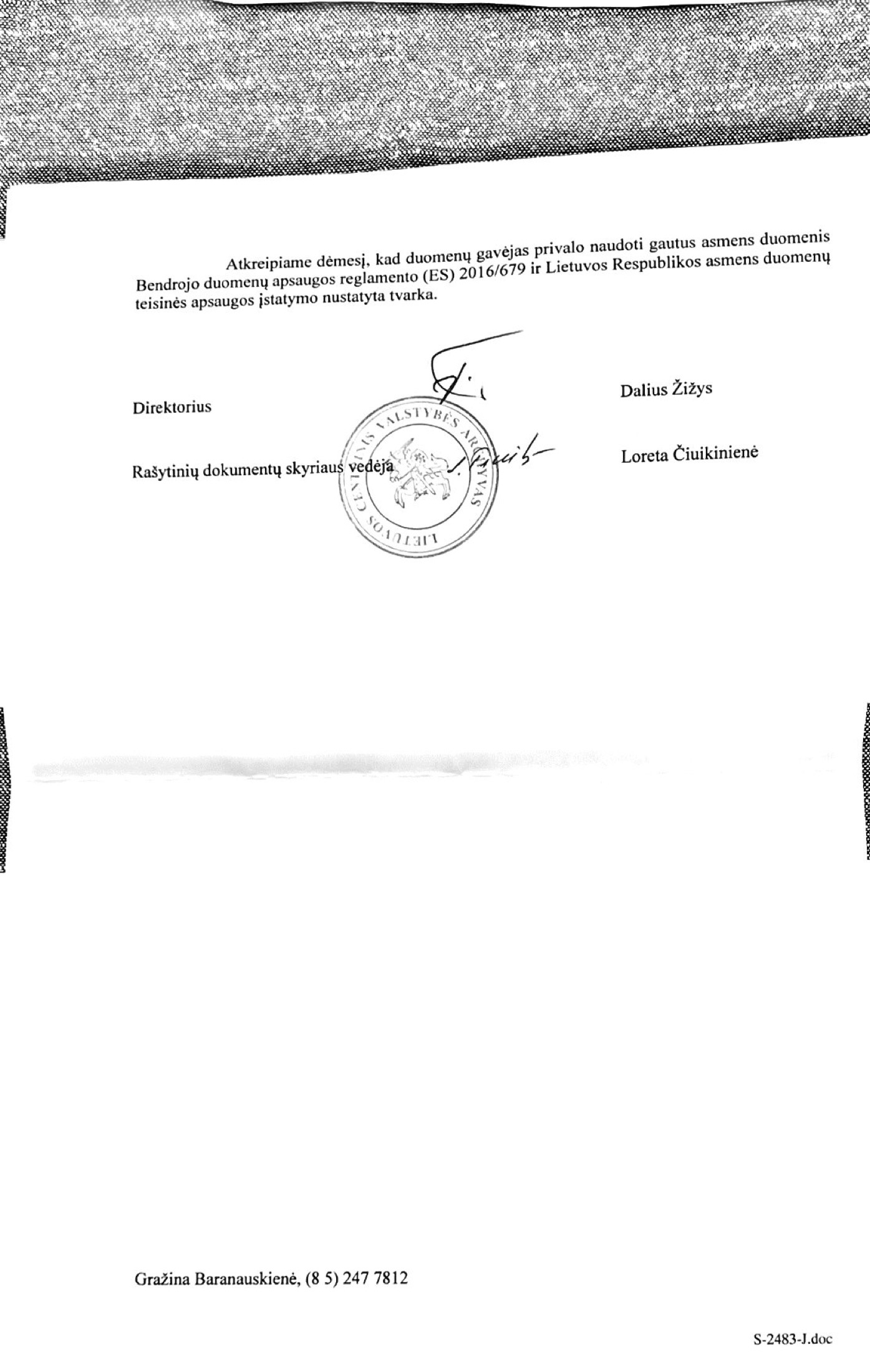
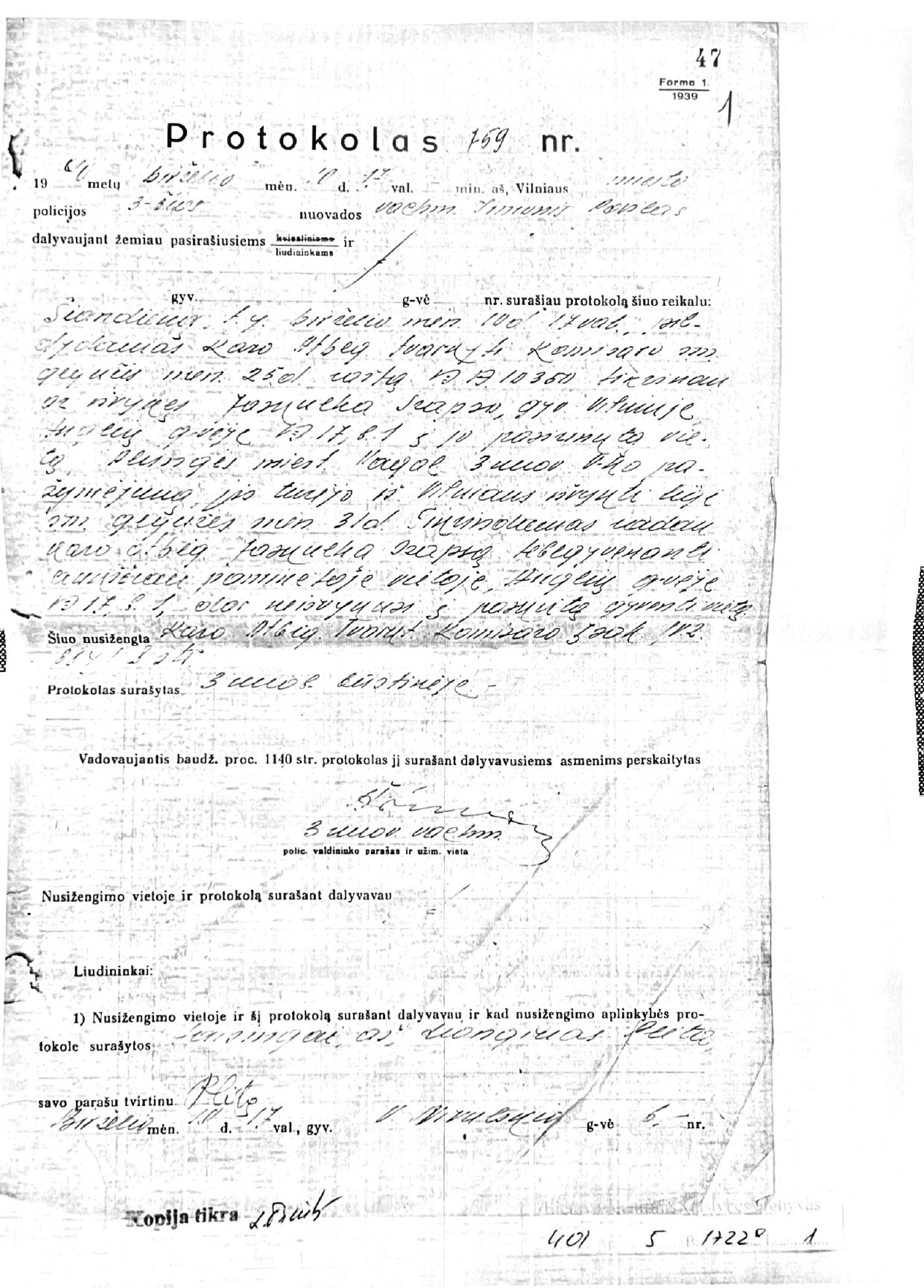
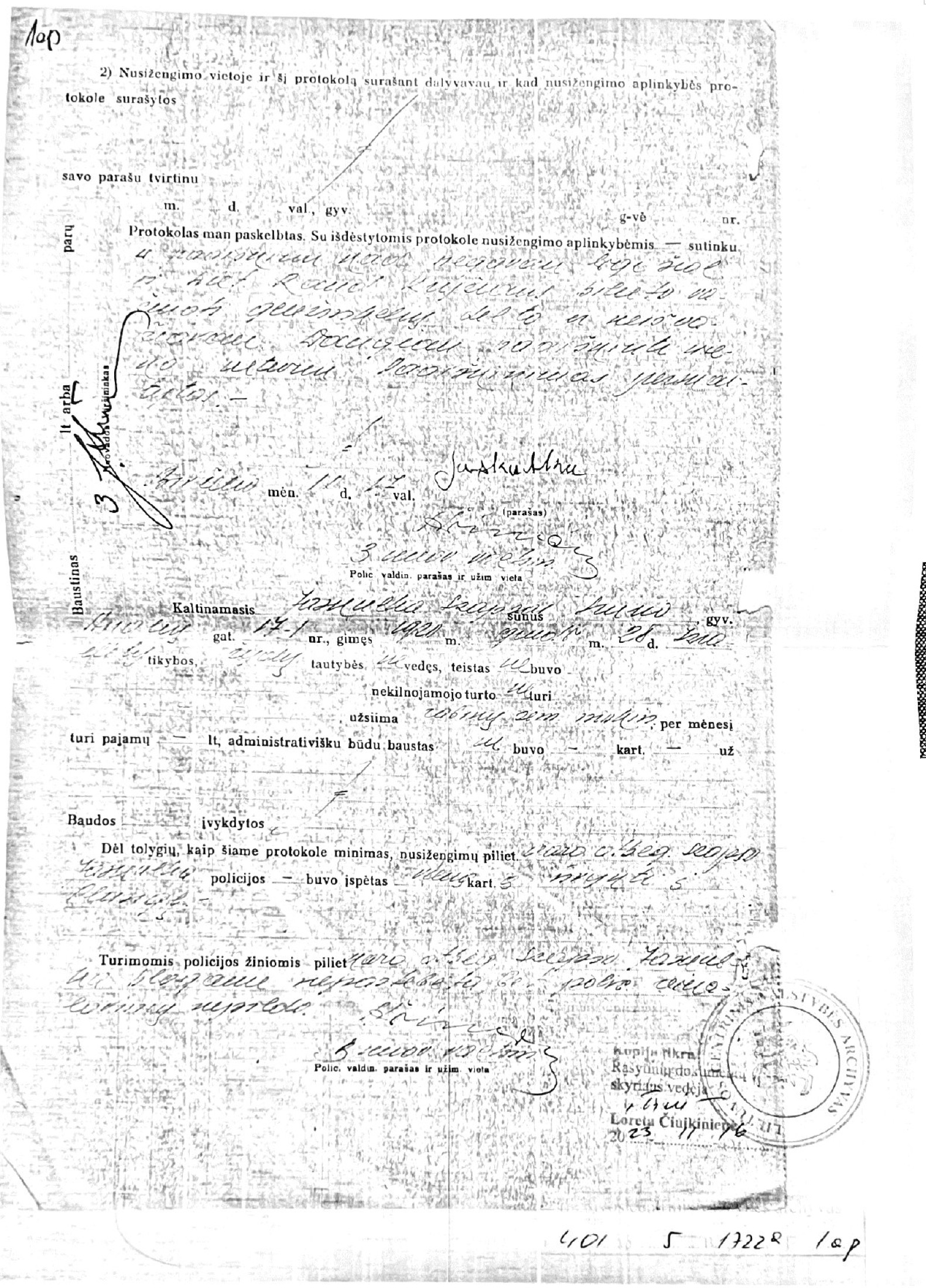
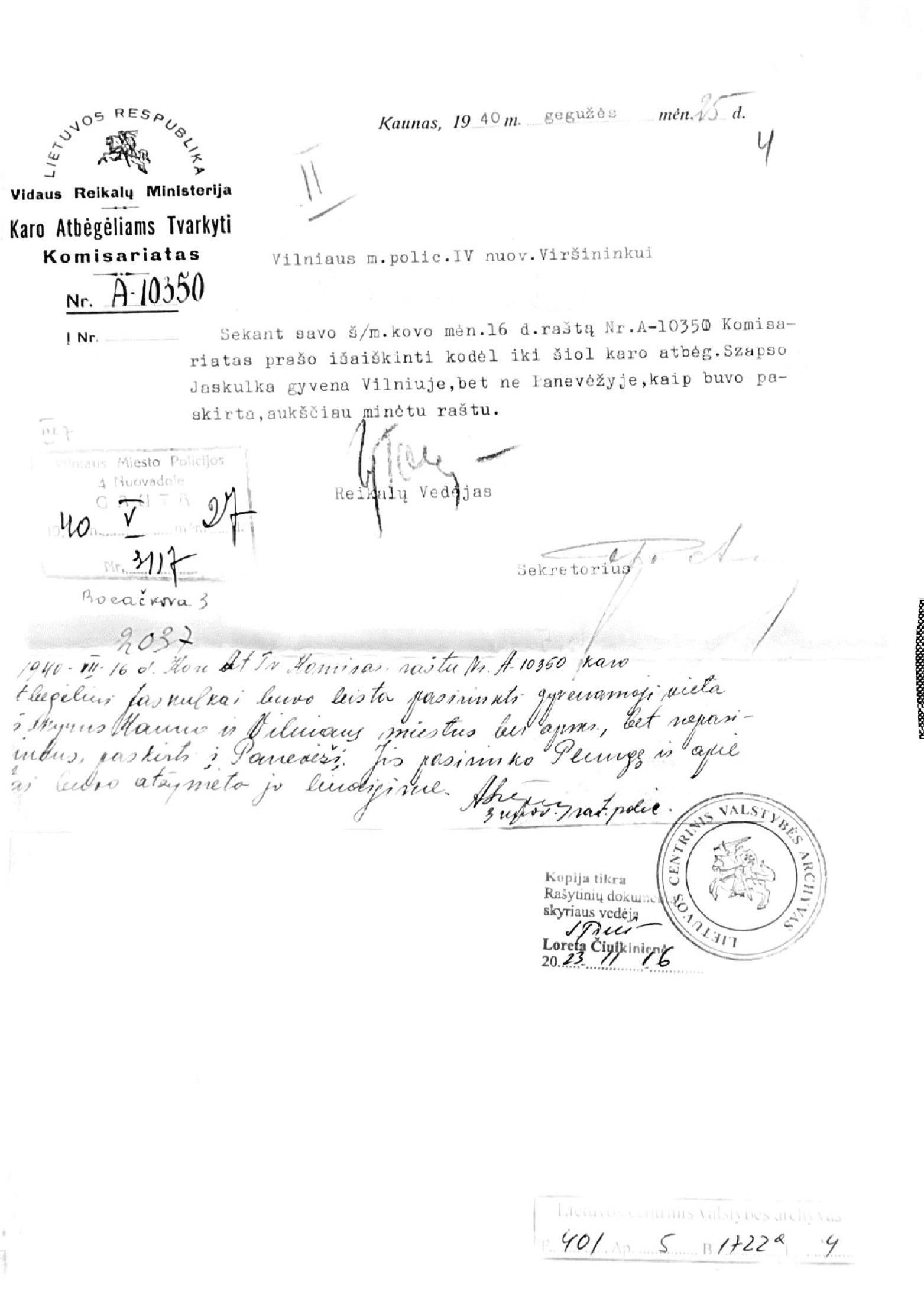
Lithuanian Central State Archives, response R4-4786 of 16 Nov 2023 (9 pages, translation): Sapsas Jaskulka (Jaskolko), son of Srulis, b. 28 Dec 1920, registered war refugee assigned to Plunge; a letter of 25 May 1940 from the Commissaria…
Jewish Historical Institute (ZIH), Warsaw, letter of 27 December 1966 (L.dz. 2309-66, Director Prof. Dr A. Eisenbach) to Saul Jaskoll: the institute holds no record of the four relatives he asked after, and it should therefore be presume…
Yeshivath Chachmey Lublin (Detroit), letter of 9 Feb 1944 from the dean, Rabbi M. Rotenberg, who had known Saul Jaskoll 'for a number of years from Europe': certifies his rabbinical qualifications for service as a US Army chaplain.
Jaskoll family collection: Polish civil-registry extracts of the birth of Szaps Jaskulka, Długosiodło, 28 December 1920. Two Polish documents from the civil registry of Długosiodło (Ostrów county, Białystok voivodeship). The printed extr…
Jaskoll family collection: Certificate of Arrival for Szaps Jaskulka, Immigration and Naturalization Service, 10 July 1943. The Immigration and Naturalization Service certifies that Szaps Jaskulka arrived at San Francisco on 25 October 1…
Jaskoll family collection: Declaration of intention of Szaps Jaskolka (Saul Jacob Jaskoll), US District Court, Burlington, Vermont, 16 September 1942. Signed in Burlington, Vermont, where he gave his occupation as factory worker. It reco…
Jaskoll family collection: Petition for naturalization of Saul Jaskoll, US District Court, Macon, Georgia, 11 August 1943. Filed while he was serving in the US Army (entered 30 April 1943). It repeats his birth at Długosiodło on 28 Decem…
Jaskoll family collection: Certificate of Naturalization of Saul Jacob Jaskoll, US District Court, Macon, Georgia, 13 August 1943. The District Court for the Middle District of Georgia admitted Saul Jacob Jaskoll, then 22, as a citizen o…
Jaskoll family collection: Evening elementary school certificate, Board of Education of the City of New York, 3 June 1942. The Board of Education certifies that Saul Jaskoll completed the course of study for evening elementary schools in…
Jaskoll family collection: Machine training certificate, State of Vermont Department of Education, 1942. The Vermont Division of Vocational Education certifies that Saul Jaskoll completed 184 hours of machine training at the National Def…
Jaskoll family collection: Honorable Discharge of Pvt. Saul J. Jaskoll, US Army, Camp Chaffee, Arkansas, 18 October 1944. The Army of the United States certifies that Private Saul J. Jaskoll, Company G, 174th Infantry Regiment, is honora…
Jaskoll family collection: Enlisted Record of Pvt. Saul J. Jaskoll, discharged at Camp Chaffee, 18 October 1944. The back of the discharge certificate gives his birthplace as Warsaw (sic), induction in New York on 30 April 1943 at age 22…
Jaskoll family collection: Report of Separation, Pvt. Saul J. Jaskoll, Camp Chaffee, Arkansas, 18 October 1944. The soldier's copy of the Army separation form: born at Długosiodło, Warsaw, Poland, on 28 December 1920; entered service in…
Jaskoll family collection: Army Service Forces letters on Pvt. Saul Jaskoll's request for transfer to Camp Kilmer, 26 July and 30 August 1944. Two form letters from the New York Port of Embarkation at Camp Kilmer, New Jersey. They say Pr…
Jaskoll family collection: Letters to Pvt. Saul Jaskoll from Jewish Welfare Board army chaplains, October 1943 to October 1944. Seven letters on Jewish Welfare Board letterhead from Chaplains Eugene J. Sack (18 October 1943, certifying t…
Jaskoll family collection: Rutgers University Extension Division grade card, Fundamentals of English, May 1966. Rutgers, the State University, University Extension Division (New Brunswick Center) records Saul Jaskoll, an inter-center stu…
Jaskoll family collection: High School Equivalency Certificate of Saul J. Jaskoll, State of New Jersey, 22 January 1968. The New Jersey Department of Education certifies that Saul J. Jaskoll completed the requirements for the high school…
Jaskoll family collection: Western Union birthday telegram from Saul to Mrs. Edith Jaskoll, 20 June 1951. A Western Union telegram sent from New York on 20 June 1951 to Mrs. Edith Jaskoll in Flushing reads 'Happy birthday darling love' a…
Jaskoll family collection: Western Union anniversary telegram from Saul to Mrs. Saul Jaskoll, 14 September (year not legible). A Western Union 'Congratulations' telegram handed in at New York on 14 September and delivered the next mornin…
Jaskoll family collection: Marriage certificate of Saul Jaskoll and Edith Presley, New York City, September 1946. A printed Hebrew and English marriage certificate (ketubah and certificate) for the wedding of Saul Jaskoll and Edith Presl…
Jaskoll family collection: Hebrew engagement-conditions document (tena'im), handwritten names, undated. A printed Hebrew form of tena'im, the conditions agreed between two families before a wedding, with the names of the parties and the…
Jaskoll family collection: Handwritten note on Saul's arrival in America and his family, written on Georgetown Suites stationery, undated. A short note in Edith Jaskoll's hand (per the folder's name for it): 'Saul arrived in the U.S. on…
Jaskoll family collection: Letter from the International Tracing Service, Arolsen, to Saul Jaskoll, 23 March 1967. The ICRC International Tracing Service, answering his letter of 27 November 1966 about Srul Jaskolka (born 1898), Chaja Dv…
Jaskoll family collection: Foreign Claims Settlement Commission: decisions on the claims of Saul Jaskoll for property at Długosiodło, 1965 and 1967 (nine pages). Washington decisions on Saul Jaskoll's claims for his family's property at…
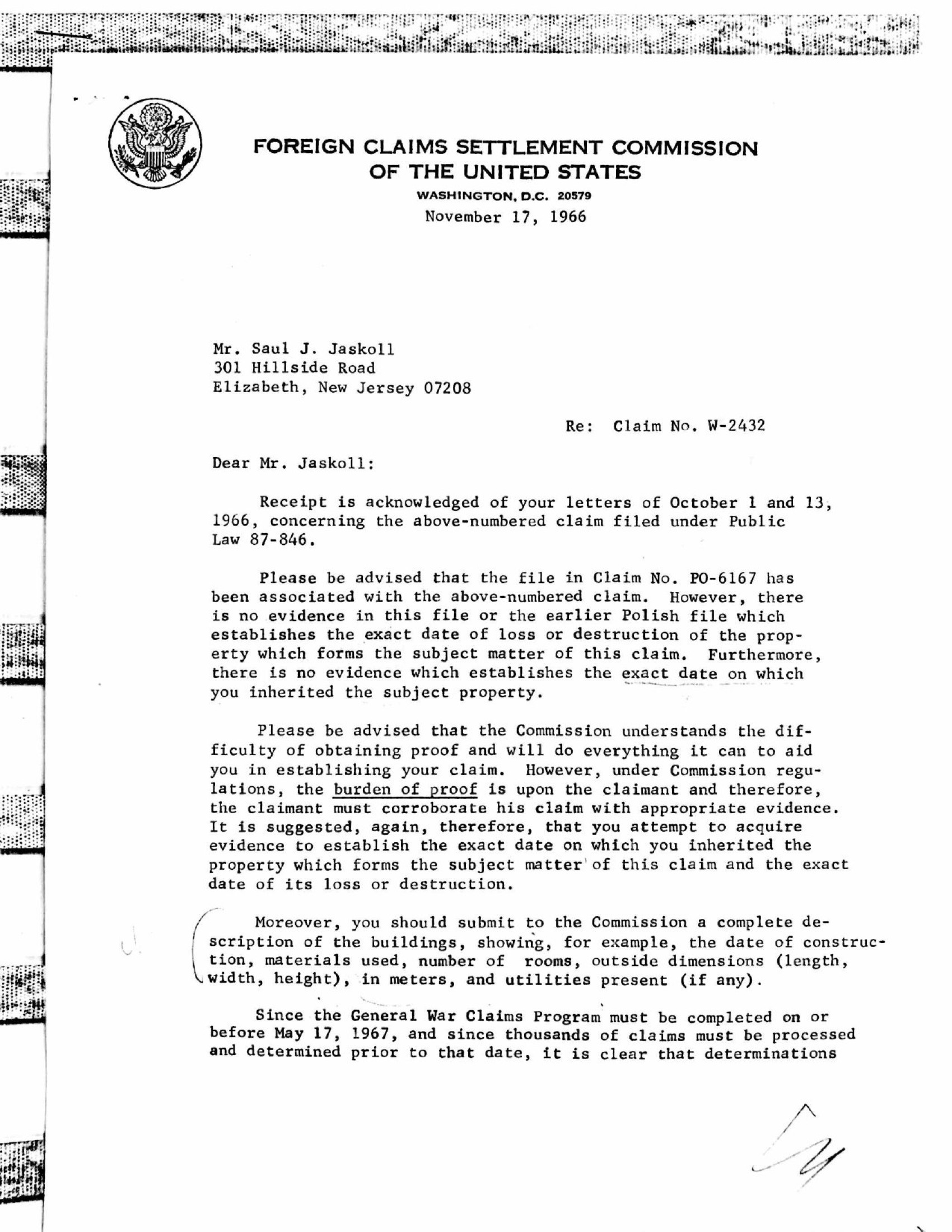
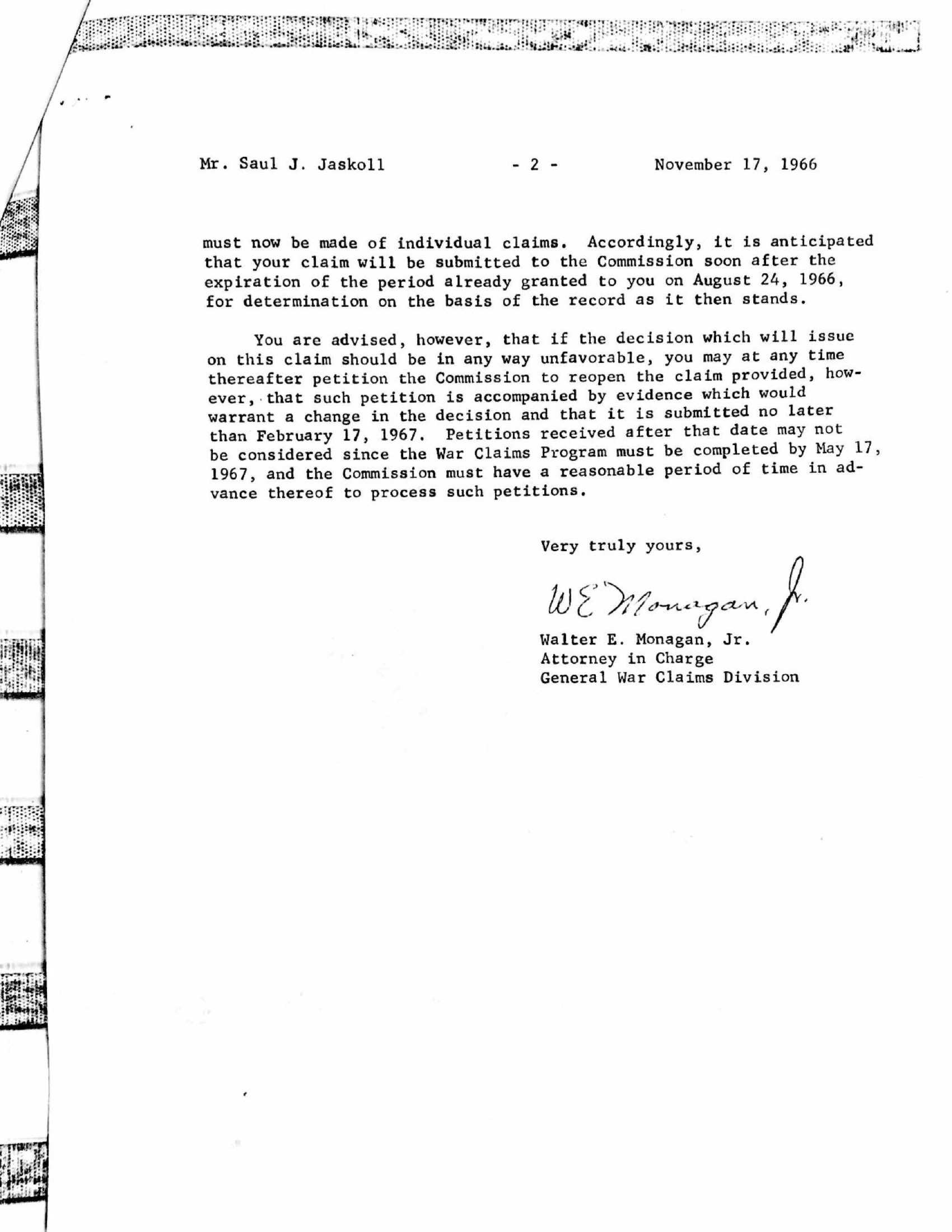
Jaskoll family collection: Foreign Claims Settlement Commission letter of 19 February 1964 and US Embassy Warsaw letter of 10 February 1961. The Commission's chairman tells a member of Congress that a Polish report of 27 January 1961 say…
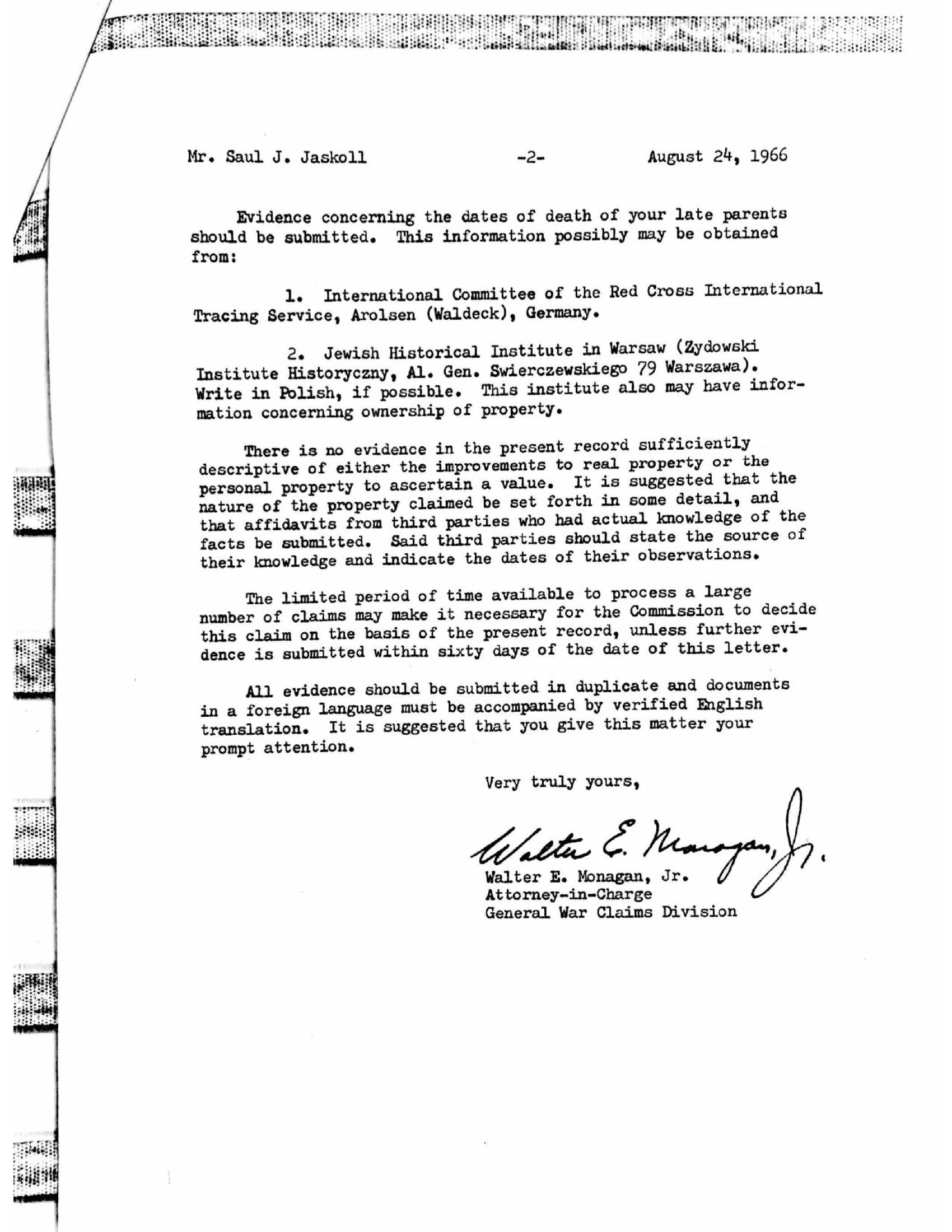
Jaskoll family collection: Foreign Claims Settlement Commission letter to Saul Jaskoll, 24 August 1966. The Commission tells Saul that his claim for losses in Poland is under consideration, explains that the claim fails unless the proper…
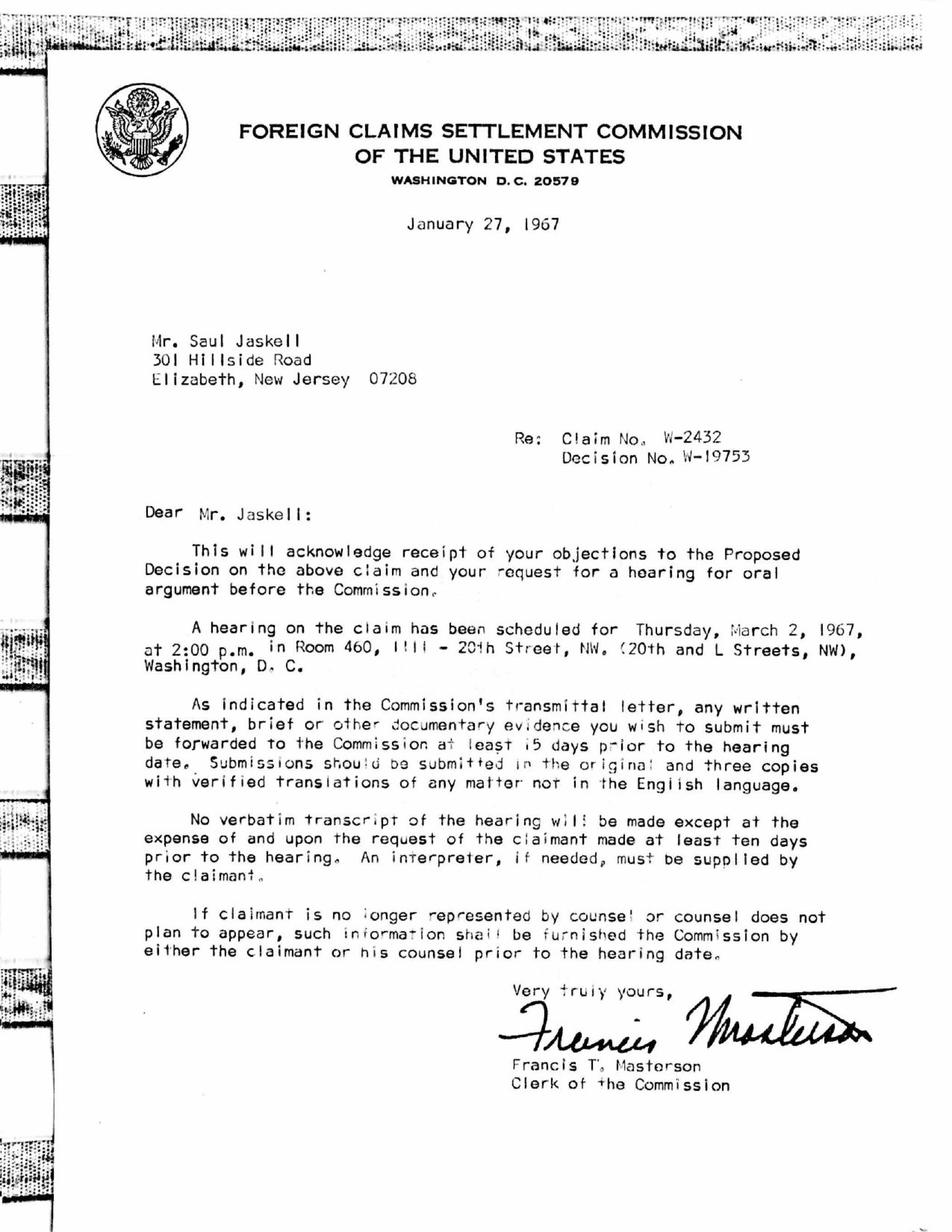
Jaskoll family collection: Foreign Claims Settlement Commission notices to Saul Jaskoll, 11 and 27 January 1967. The Commission's notices that its Proposed Decision of 11 January 1967 has been sent to him, how to object and ask for an or…
Jaskoll family collection: Foreign Claims Settlement Commission correspondence, February to May 1967, and Saul Jaskoll's claim form. Five pages: the Clerk's covering note of 8 May 1967 sending the Final Decision; the Commission's letter…
'The Sefirah Period: From Passover to Shavuoth', a typed chaplain's talk by Saul Jaskoll (United States Army, undated), 3 pages, Jaskoll family collection
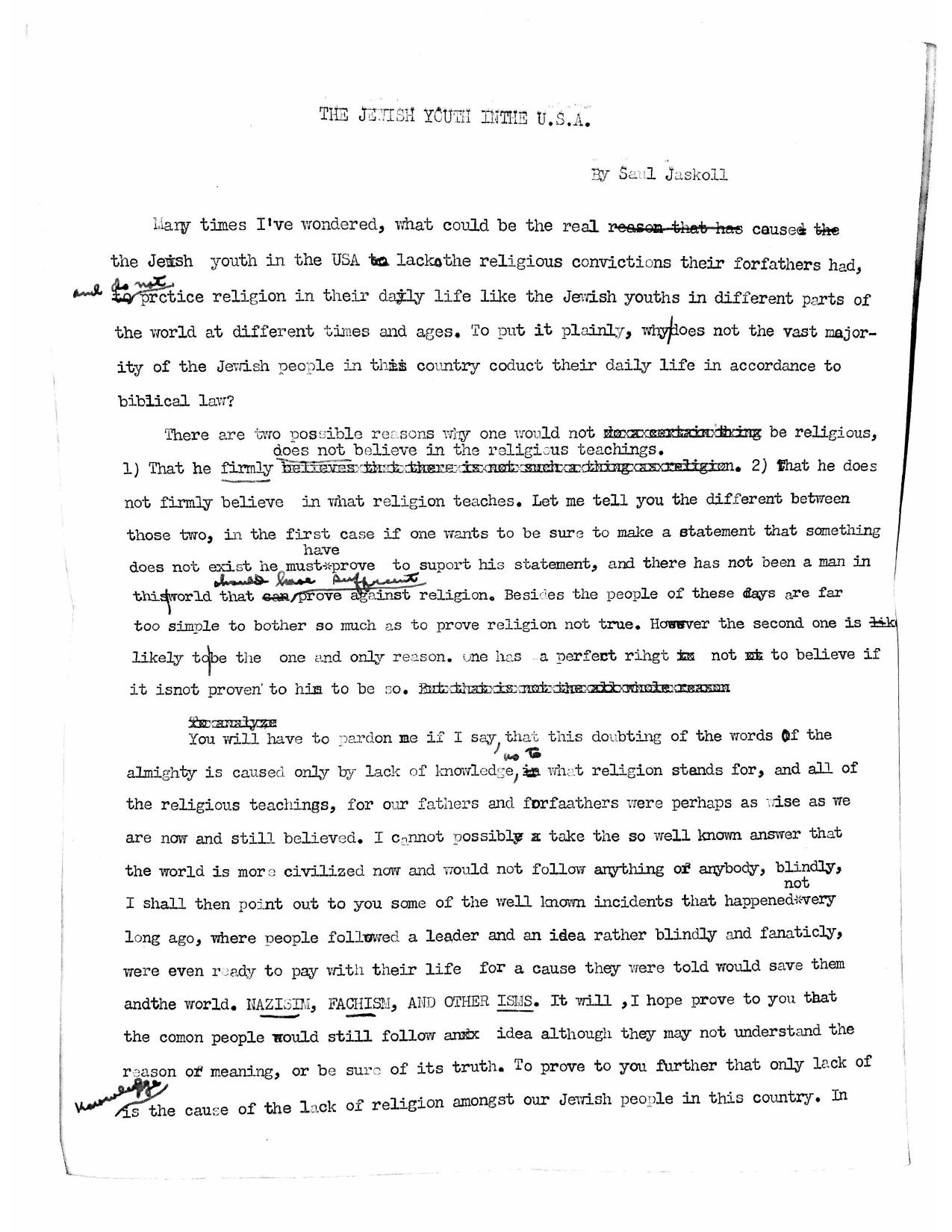
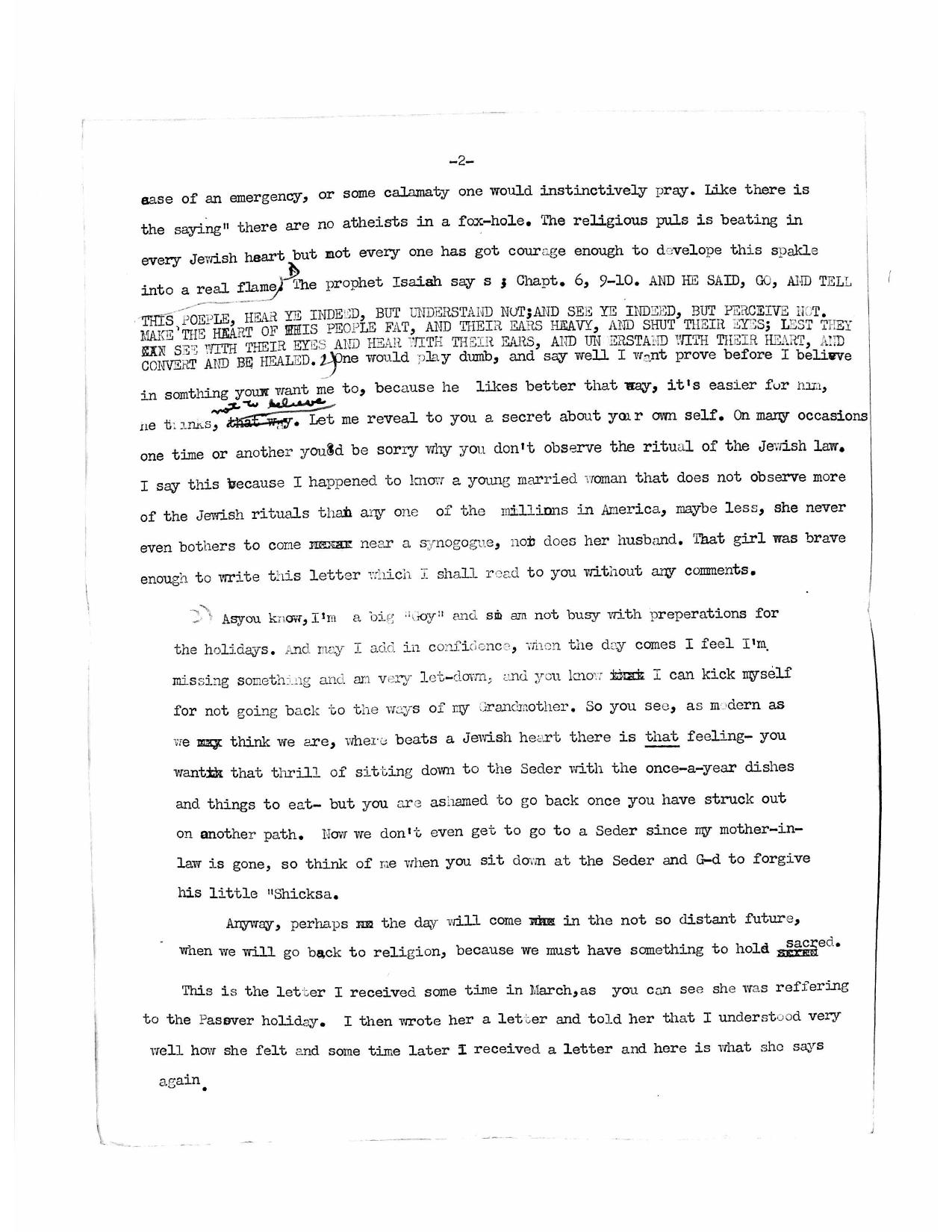
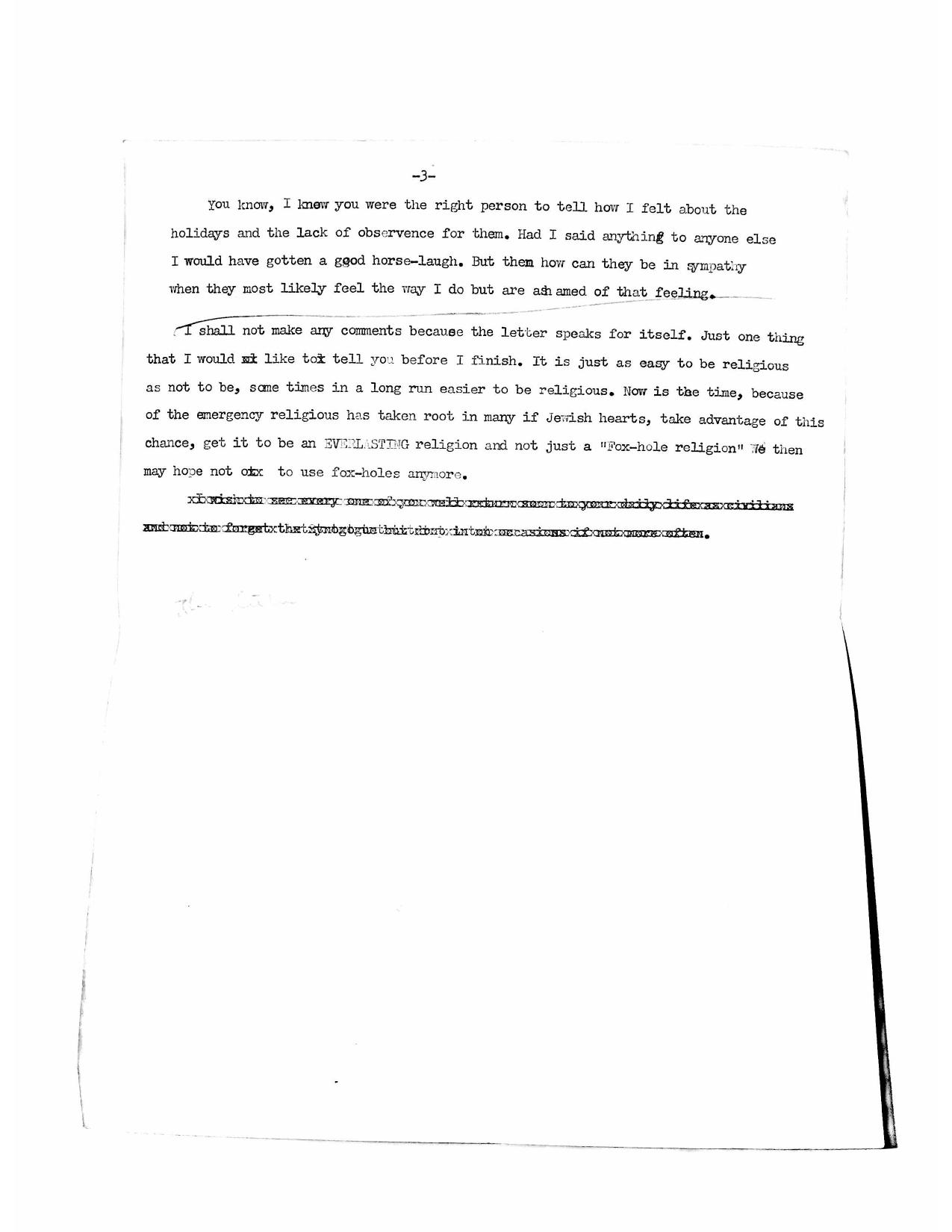
'The Jewish Youth in the U.S.A.', a typed chaplain's talk by Saul Jaskoll (United States Army, undated), 3 pages, Jaskoll family collection
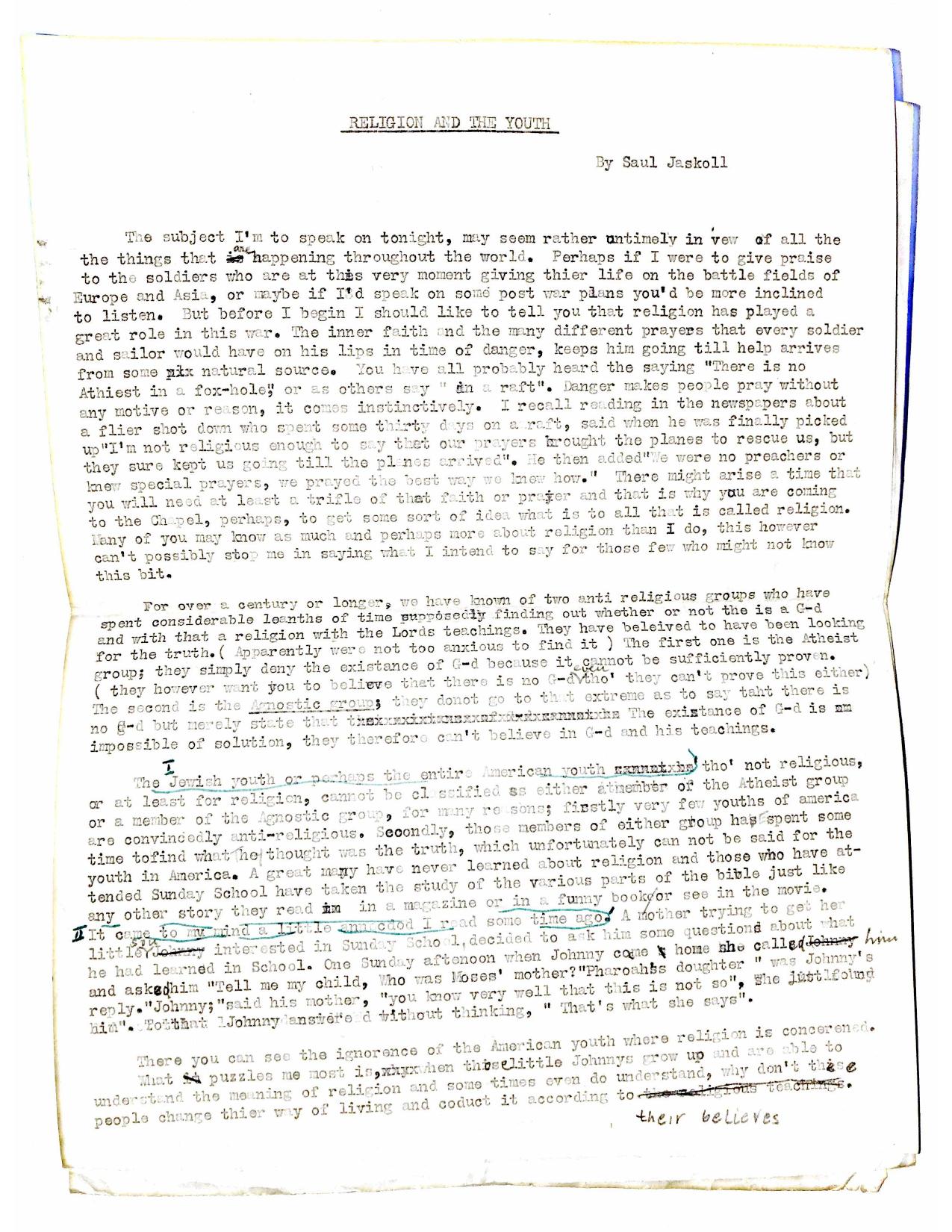
'Religion and the Youth', a typed chaplain's talk by Saul Jaskoll (United States Army, 1940s), 3 pages, Jaskoll family collection